





By Our Correspondent
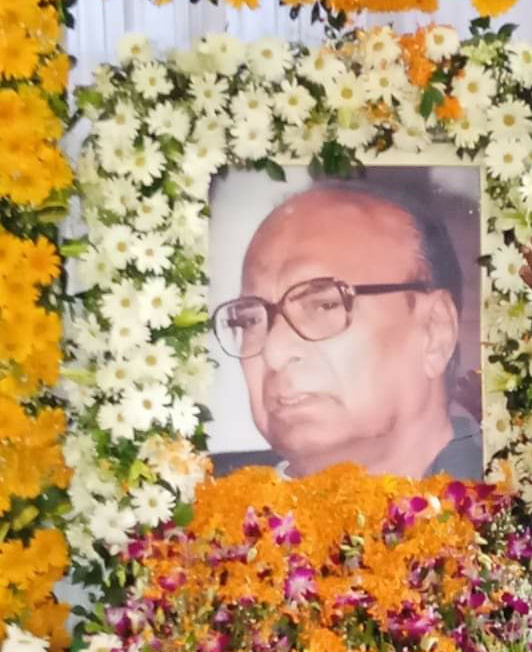
BHUBANESWAR: BJP MP Nishikant Dubey’s recent allegations against late Biju Patnaik—that he acted as a “link” between Jawaharlal Nehru, the US government, and the CIA during/after the 1962 Sino-Indian War—contain a core of historical truth, though framed in a highly partisan and sensationalized manner as an attack on the Nehru-Gandhi family and Congress.
Dubey’s Claims
Dubey alleged:
- Nehru fought the 1962 war “with American money and in collaboration with CIA agents.”
- Biju Patnaik (then Odisha CM) served as the key intermediary.
- Patnaik visited the US in March 1963 for sensitive defense-related work.
- He helped facilitate US/CIA operations, including at Charbatia air base in Odisha (allegedly for U-2 spy planes and broader covert activities).
Dubey cited Nehru’s letters (e.g., one from April 2, 1963, defending Patnaik’s US activities as official government work on defense matters).
Historical Context and Evidence
Post-1962 war realities support parts of Dubey’s narrative, drawn from declassified accounts, books like The CIA’s Secret War in Tibet by Kenneth Conboy and James Morrison, and other historical sources:
US-India intelligence and military cooperation did expand significantly after India’s 1962 defeat by China. The US provided emergency military aid, and there was covert collaboration on intelligence against China, including reconnaissance and support for Tibetan resistance (Khampa guerrillas). India was non-aligned but pragmatically sought US help amid the crisis.
Charbatia air base (near Cuttack, Odisha): This WWII-era airfield was revived in the early 1960s for covert operations. It hosted CIA-linked activities, including U-2 high-altitude reconnaissance flights targeting Chinese positions in Tibet and the Himalayas (first mission from Charbatia in May 1964).
It also served as a training/operations hub for the Special Frontier Force (SFF or Establishment 22)—a secret Indian unit of Tibetan guerrillas raised with CIA assistance for potential behind-enemy-lines operations. Operations involved US technical support, aircraft, and expertise.
Biju Patnaik’s documented role: As a daring pilot and Nehru’s close confidant (sometimes described as an unofficial defense adviser), Patnaik was deeply involved.
He: Advocated for and helped establish the SFF/Establishment.Visited the US in 1963 (including meetings related to defense and a stop at CIA headquarters) to discuss collaboration on intelligence, special forces, night fighters, and anti-China efforts.
Persuaded Nehru to allow US/CIA use of Charbatia and facilitated the Aviation Research Centre (ARC) there, with American experts.
Helped arrange logistical support, such as discreet use of airfields for supplies and training camps (including at Charbatia and Chandragiri for Tibetan refugees).
Nehru’s letters (as cited by Dubey) confirm Patnaik was sent on official government business concerning defense matters, countering any notion of rogue activity. Patnaik’s aviation background, prior exploits (e.g., aiding Indonesian independence), and rapport with Nehru made him a natural choice for such sensitive missions.
Not “Treason” or Personal Betrayal: This was official Indian government policy under Nehru to counter Chinese aggression after a major military setback. India shared intelligence gaps and sought external help while maintaining deniability due to non-alignment. Patnaik acted as a trusted emissary, not a “CIA agent” in the pejorative sense. Many sources portray his involvement positively—as pragmatic patriotism leveraging his skills for national security.
Exaggerations in Framing: Dubey’s rhetoric (“brokers of America,” implying systemic disloyalty) is political ammunition against Congress/Nehru legacy, common in contemporary Indian debates. US aid and CIA ties were real but limited and tactical—not controlling India’s war effort. Broader claims about the entire 1962 war being “on America’s behest” overstate the case; India’s decisions were driven by its own security needs.
Odisha/Biju Legacy Angle: Biju Patnaik is revered in Odisha for industrial vision, aviation heroism, and contributions like the SFF (which later aided India in 1971, Siachen, Kargil, etc.). Critics see Dubey’s comments as an insult to “Odia Asmita” (Odia pride), sparking backlash from BJD and others. BJP responses have defended it as facing “bitter truth.”
In summary, there is substantial historical evidence supporting Patnaik’s involvement in US/CIA-linked covert cooperation post-1962 (especially Charbatia, U-2 ops, and Tibetan forces), authorized at the highest levels. Dubey’s allegations are not baseless fabrications, but they are selectively presented for current political effect rather than balanced history. Patnaik’s actions aligned with India’s strategic interests at the time, consistent with his record as a bold nationalist. For deeper reading, consult books like Conboy/Morrison’s on CIA-Tibet operations or declassified US/Indian archives.
In summary, the Khanna Commission found substantiated administrative improprieties and favoritism linked to Patnaik’s business interests, contributing to a tarnished image, but cleared him of personal pecuniary corruption.
It remains a historical reference point in debates over his legacy—praised by admirers for industrial vision and dynamism, criticized by opponents for ethical lapses in governance.
The report itself is not widely digitized online but is cited in judicial records and contemporary accounts.