


By Our Correspondent
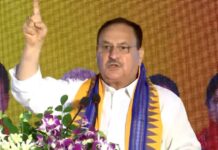
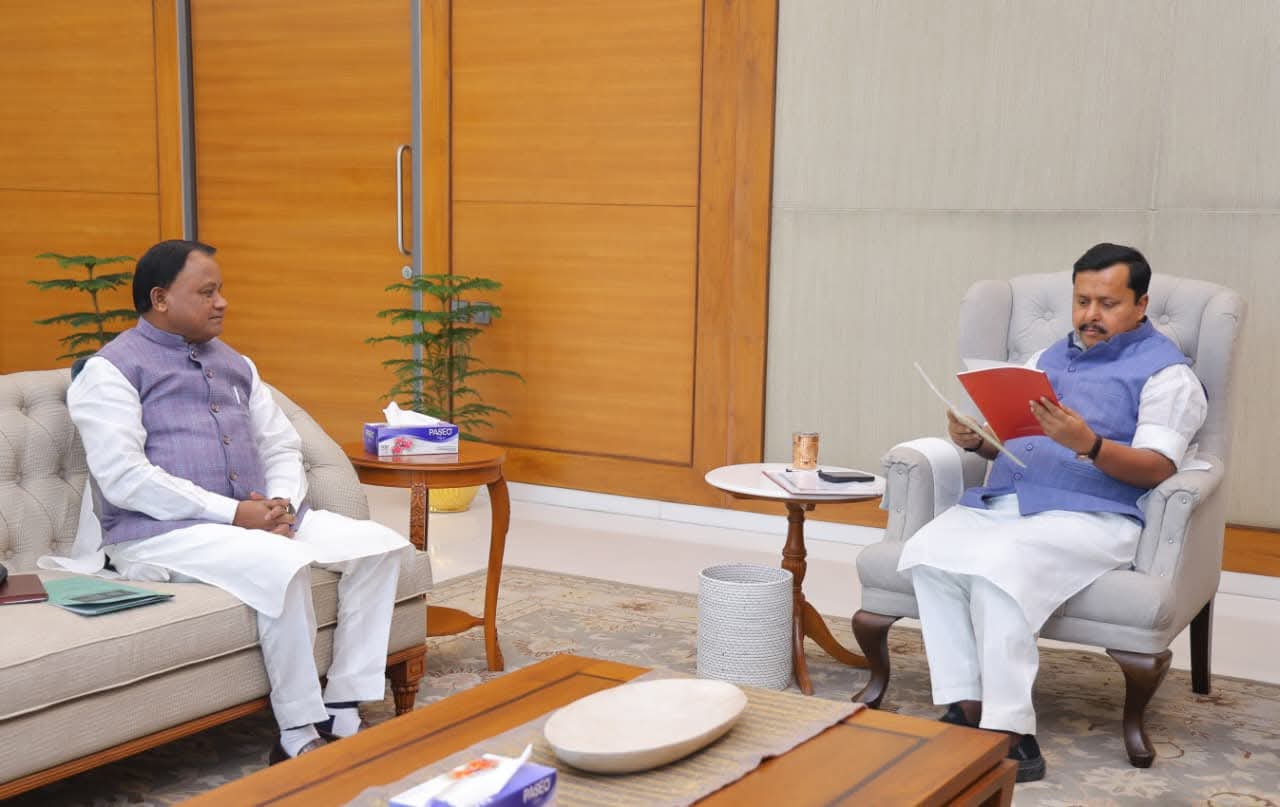
BHUBANESWAR: Nitin Nabin , BJP National President, is making his first visit to Odisha since taking charge in January 2026. He is arriving in Bhubaneswar on the evening of May 17, for a two-day organisational visit, departing on May 18 evening.
Visit Details and Schedule
Arrival: Bhubaneswar airport around 10:30 PM on May 17 via a regular commercial flight. Modest welcome in line with PM Modi’s austerity appeal amid global fuel concerns.
Key Programmes (May 18): State Core Committee meeting at BJP Odisha headquarters; inauguration of district-level Pandit Deendayal Training Maha Abhiyan-2026 camp (Bhubaneswar organisational district) at AIPH University near IIT Bhubaneswar (Jatni, Khordha district). Focus on booth-level management, digital communication, and public engagement.
Other: Possible visit to Puri for prayers at Shree Jagannath Temple. Interactions with state ministers and party leaders.
This is framed as an organisational visit to consolidate the party at the grassroots after its 2024 Assembly victory, which ended BJD’s long dominance and installed the first BJP government under Chief Minister Mohan Charan Majhi (a “double engine” setup with Centre). It comes ahead of upcoming three-tier panchayat polls (likely 2027, post-Census).
Political Analysis
For BJP: This visit signals high command priority on Odisha. As the youngest-ever BJP president (45, from Bihar, with organisational background), Nabin’s presence aims to boost worker morale, review booth-level readiness, and strategise for panchayat polls. It reinforces central oversight on a new BJP state government facing teething issues. Success here could solidify the party’s eastern foothold post-2024 gains.
Timing and Optics: Amid criticism, it allows the party to project unity, course-correction, and focus on “Viksit Bharat” deliverables. The training camp emphasis shows a push for cadre discipline and digital outreach.
Opposition Angle: BJD still influential, especially in rural areas, will likely intensify attacks on “non-delivery.” Naveen Patnaik remains a key figure leveraging his experience. Any perceived central interference or aggressive centralising could be framed as undermining state autonomy.
Broader Implications: Odisha remains competitive. BJP’s 2024 win was historic but governance tests (anti-incumbency risks, coalition-like central-state dynamics) are real. Strong organisational revamp could help mitigate criticism; visible results on law/order, farmers, and jobs are needed before larger polls.
Overall, the visit is routine organisational but symbolically important as a confidence-booster and review mechanism for a government under scrutiny. Outcomes will depend on follow-through: addressing ground issues versus pure cadre mobilisation. Expect media focus on speeches, Jagannath visit symbolism, and any hints on poll strategies or ministerial changes. Political temperatures in Odisha are rising with panchayat polls on the horizon.
Context: Odisha BJP Government’s Challenges
The BJP government (in power since mid-2024) faces significant opposition criticism from BJD (led by Naveen Patnaik as LoP) and Congress on multiple fronts, roughly 18-20 months into its term:
Law and Order & Women’s Safety: Sharp rise in crimes against women, murders, and violence. BJD calls Odisha a “disturbed state.” Specific incidents (e.g., Balanta, Soumyaranjan cases) have fueled demands for accountability. Patnaik has slammed it as “total failure of leadership.”
Farmers’ Issues: Protests over delayed fertilisers/seeds, poor paddy procurement, illegal deductions at mandis, and unfulfilled promises. BJD organised farmers’ protests highlighting neglect despite election commitments.
Budget 2026-27 Criticism: Naveen Patnaik dubbed it “full menu in an empty kitchen” — grandiose announcements without substance, rising debt (projected near ₹1.3 lakh crore, ~₹30,000 per capita burden on newborns), shrinking central aid utilisation, and lack of employment roadmap.
Other Concerns: Unemployment, paper leaks, communal tensions/attacks on minorities, health/education gaps, migration, and administrative lapses (e.g., census worker attacks, ambulance fuel shortage death amid panic buying). Some reports note initial public grievance redressal efforts and a 15-point governance agenda from CM Majhi for long-term goals like $500 billion economy by 2036, but delivery is questioned. Despite this, the government highlights infrastructure pushes (waterways, freight corridors, rare earths, tourism) in the Union and state budgets and organisational strengthening.