




By Our Correspondent
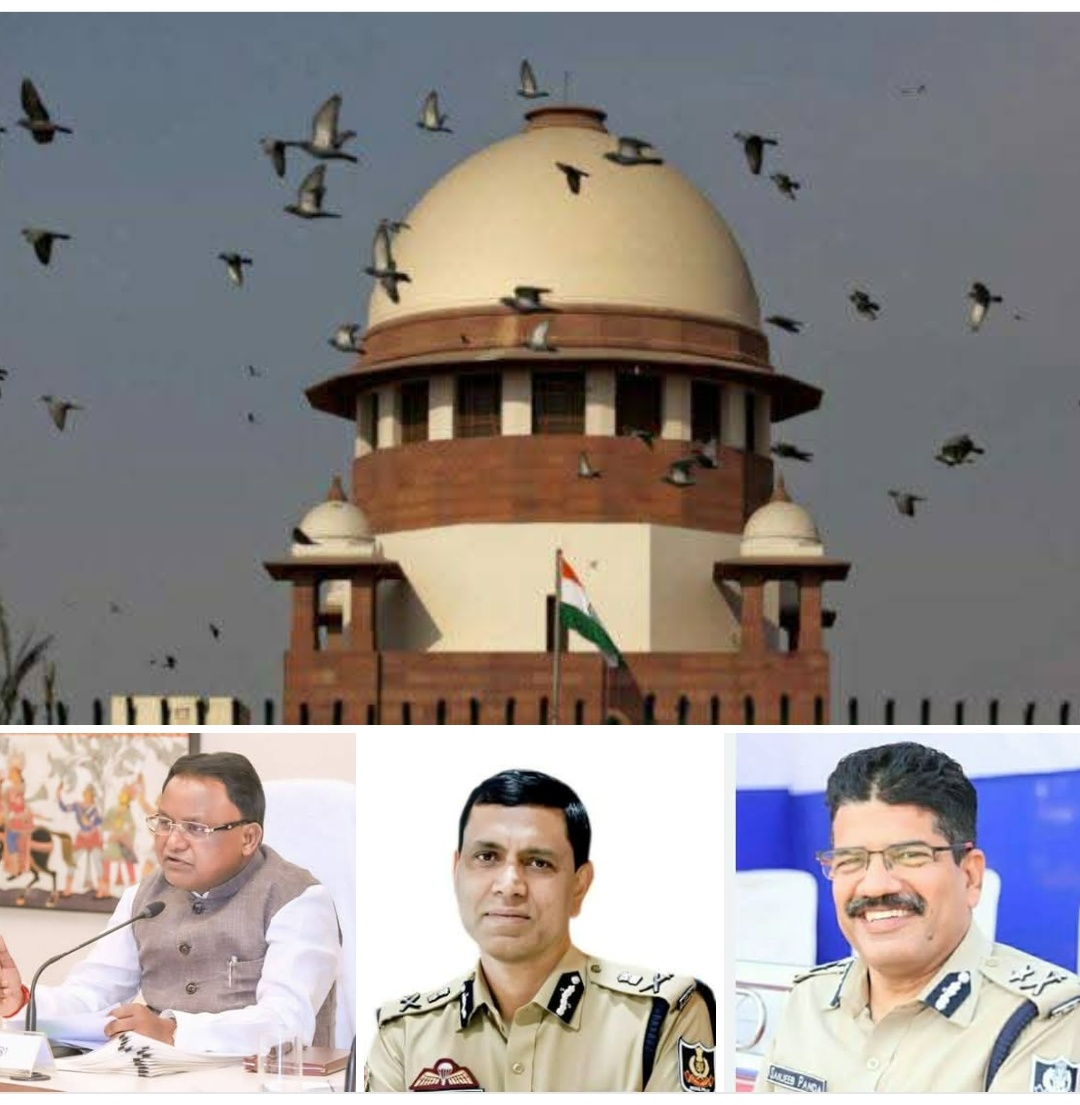
BHUBANESWAR: The 1990 batch IPS Officer Dr. Sudhanshu Sarangi’s chances look relatively stronger now compared to the officers brought in through the contested expansion and last-minute promotions.
Why His Position Has Improved: He is the senior-most among the three officers in Odisha’s original May 2026 eligibility list sent to the UPSC:
Dr. Sudhanshu Sarangi (1990-batch IPS, currently DG Fire Services / Commandant General Home Guards / Director Civil Defence), Susanta Kumar Nath (1993 batch), R.P. Koche (1993 batch)
Amicus Curiae Raju Ramachandran has specifically urged the Empanelment Committee and the Court to stick to this original May 14 list rather than the later expanded version which included newly promoted officers like Sanjeeb Panda.
On 7 September 2026, the Supreme Court directed the Odisha government to file a special affidavit within seven days giving the latest status and details specifically on these three officers Dr Sarangi, Nath, and Koche. This keeps the focus on the original senior cohort.
Unlike Nath whose integrity certificate was withheld/withdrawn and who is linked to a CBI probe into a recruitment matter, and who has now intervened in the case, there are no public reports of similar complications attached to Dr Sarangi.
The entire process remains stayed. No permanent appointment can happen until the Supreme Court permits the UPSC to proceed (next hearing on 16 September 2026).
Even if the Court directs adherence to the original list, the UPSC will still shortlist three officers, and the state government will choose one from that panel. Seniority helps, but the final call also depends on service record, range of experience, residual tenure, and the state’s preference.
With the Court and amicus pushing back against the expanded list that was designed to bring in junior/promoted officers, Sarangi (as the senior-most clean name on the original list) is currently better placed than he was in early August when the state was actively trying to enlarge the zone of consideration. His prospects will become clearer after the state’s affidavit and the 16 September hearing.
Yes — any attempt by Odisha to appoint Sanjeeb Panda or similarly situated officers elevated via the August promotions as the next DGP now appears remote.
Why It Looks Remote: Sanjeeb Kumar Panda (1994-batch IPS officer, previously ADGP Anti-Naxal Operations/Special Intelligence Wing) was promoted to DG rank on 10 August 2026, along with batchmate Yeshwant Kumar Jethwa. This was widely viewed as a move to expand the eligibility pool and position Panda as a strong contender/frontrunner for the top post, especially given his anti-Naxal record and the state’s success in related operations.
However, this promotion and the broader expansion of the list (from the original senior DG-rank officers to include newly elevated or ADG officers) became a central flashpoint in the Supreme Court:
The PIL and Amicus Curiae Raju Ramachandran specifically questioned last-minute promotions, temporary DG-rank posts, and deviation from the original May 14, 2026 eligibility list (focused on the three senior-most: Sudhanshu Sarangi, Susanta Kumar Nath, and R.P. Koche).
The Court has restrained the UPSC from finalising any panel, explicitly warning against “backdoor entry.”
On 7 September 2026, the Court adjourned the matter to 16 September 2026 and directed Odisha to file a special affidavit within seven days detailing the status of the original three senior officers from the May list. The amicus has urged strict adherence to that earlier list rather than the updated one prepared after the promotions.
Panda was never part of the original core senior list that the Court and amicus are prioritising. Including him would require the Court to accept the expanded process that is under active challenge for allegedly violating Prakash Singh guidelines (selection from the three senior-most UPSC-empanelled officers based on seniority, record, and experience).
The entire regular selection process remains on hold.An interim/acting DGP (Vinaytosh Mishra) continues. The state’s defence (that promotions are routine administration) faces strong judicial and amicus scrutiny. Unless the Supreme Court on 16 September (or later) explicitly validates the expanded list and post-promotion inclusions — which current proceedings and the amicus’s stance make unlikely — the path that would have enabled Panda’s appointment is effectively blocked for now. The Court appears focused on restoring the process to the original senior officers’ list to avoid any perception of manipulation.
Developments can shift with the next hearing or the state’s affidavit, but as of on today, Panda’s elevation to DGP via the contested route looks remote.
Odisha is currently under Supreme Court scrutiny and must file a special affidavit; the next hearing is on September 16, 2026, with the process on hold and an interim DGP in place.
Amicus Curiae Senior Advocate Raju Ramachandran (assisting the Court in the broader Prakash Singh police-reforms matter) has raised pointed concerns about the Odisha DGP selection process. Key issues he flagged include:
Urging the UPSC Empanelment Committee to stick to the original May 14, 2026 eligibility list of senior officers (primarily the three DG-rank officers: Sudhanshu Sarangi, Susanta Kumar Nath, and R.P. Koche) rather than an updated August 10 list that followed last-minute promotions of ADG-rank officers to temporary DGP-rank posts.
Questioning the withholding/withdrawal of Susanta Kumar Nath’s integrity certificate (which can narrow the zone of consideration).Raising issues around the timing of promotions, creation of temporary posts, and the Centre’s concurrence close to the incumbent’s retirement.Emphasizing adherence to Prakash Singh (2006 and subsequent) guidelines and related precedents (e.g., against arbitrariness in appointments).
Incumbent DGP Y.B. Khurania was due to retire around mid-August 2026. Odisha initially sent a limited list of senior (mainly DG-rank) officers to the UPSC. The state later expanded the pool (to around 11 officers, including promoted ADGs), withdrew/withheld aspects related to one officer’s integrity certificate, and the UPSC process stalled.
A PIL alleged this violated Prakash Singh directions (DGP to be selected from the three senior-most UPSC-empanelled officers based on length of service, record, and experience; proposals preferably sent well in advance; fixed tenure protections).
On August 13, 2026, a Supreme Court bench (CJI Surya Kant, Justices Joymalya Bagchi and V. Mohana) restrained the UPSC from finalising any panel, calling “backdoor entry” unacceptable, after submissions by the petitioner (via P. Chidambaram) and support from the amicus.
Hearings continued with responses from the state (defending normal administrative promotions and the right to send a fresh eligible list) and further amicus input. The Court deferred proceedings multiple times. Jail DG Sushant Kumar Nath (excluded from the later panel) sought impleadment as an affected party. The amicus submitted further material. The Court directed the Odisha government to file a special affidavit within seven days providing the latest information on the three senior officers from the original May list (Sarangi, Nath, and Koche).
Immediate compliance: File the directed special affidavit (deadline around mid-September, tied to the seven-day window from September 7). This will address the status/details of the original senior officers and related process points.
Interim arrangement: After Khurania’s retirement, the state appointed Vinaytosh Mishra (then DGP, CID/Crime Branch) as acting/in-charge DGP (Head of Police Force) until further orders. This continues while the regular selection is stayed.
The state has defended its actions as legitimate administration (promotions of eligible seniors, ability to update proposals) and denied any violation of Prakash Singh norms. It will respond to the amicus’s concerns and the Court’s queries through the affidavit and arguments on September 16.
The UPSC cannot finalise any empanelment/selection until the Court permits. No permanent DGP appointment can proceed outside the judicially supervised process. Outcomes could include directions to stick to the original list, re-start the process cleanly under Prakash Singh parameters, or other safeguards against arbitrariness.
The September 16 hearing will be key—expect further arguments from the state, Centre (via Solicitor General), amicus, petitioner, and possibly Nath as intervenor. The Court has consistently prioritised strict compliance with its police-reform directions to insulate the DGP post from political or administrative manipulation.