





By Snehamayee Acharya
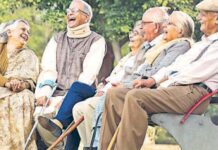
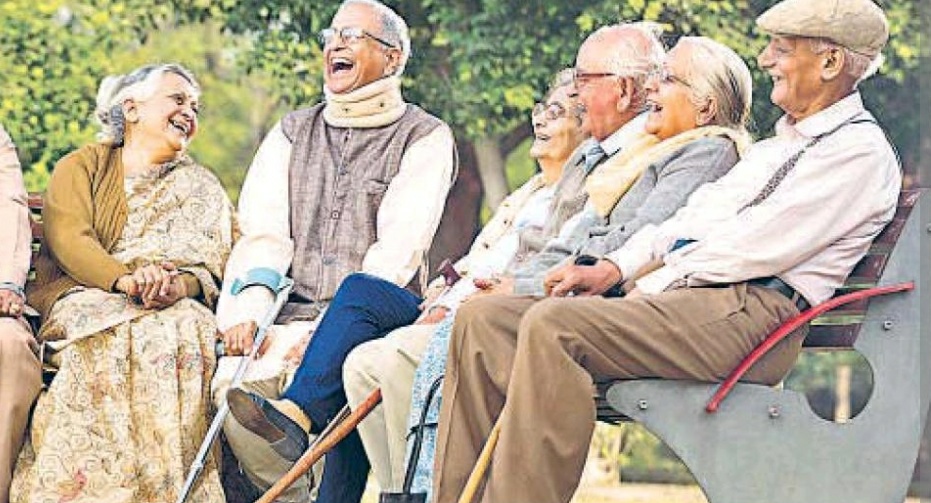
JAGATSINGHPUR:The hands that built our society deserve dignity, security and care. A society is judged not merely by its economic progress, modern infrastructure or technological achievements, but by the way it treats its elderly and vulnerable people. India has traditionally regarded senior citizens as repositories of wisdom, experience and values. Grandparents were once an integral part of family life, guiding children and preserving traditions. But changing family structures, migration, urbanisation and the decline of the joint family system have brought a disturbing change. Many elderly people today face loneliness, neglect, insecurity and loss of dignity—even within their own families.
Their Role and Contribution
Senior citizens are not merely dependent members of society. They are living repositories of experience accumulated over decades. A retired teacher can guide younger generations; an experienced farmer can pass on traditional agricultural knowledge; a retired professional can mentor young people; and grandparents can preserve family history, culture and values.
Many of today’s elderly spent their productive years raising children, building homes and contributing to education, agriculture, administration, industry, business and other fields. Many parents sacrificed their own comforts and savings for the education and future of their children.
Their contribution cannot be measured only in money. The prosperity enjoyed by today’s generation has been built partly on their labour and sacrifices. Therefore, caring for them is not charity—it is an expression of gratitude and social justice.
The Present Scenario of Family Neglect
The most painful form of elderly neglect is that which takes place within the family.
Young people increasingly migrate to cities and other countries for education and employment. Nuclear families have replaced many traditional joint families. As a result, elderly parents may be left alone in villages or old family homes.
Distance itself is not the problem; indifference is.
Some elderly people are ignored in family decisions, deprived of financial independence or treated as a burden after retirement. In extreme cases, they face verbal humiliation, financial exploitation, denial of medical care, abandonment and physical abuse.
Many victims remain silent because they do not want to complain against their own children or relatives. They fear social stigma, family conflict or complete abandonment.
There is another form of neglect that is less visible but equally painful—emotional neglect. An elderly person may have food, shelter and medicines but nobody may have time to talk to them, listen to their memories or simply sit beside them. Loneliness can become a serious psychological burden in old age.
Rehabilitation Must Mean Dignity
Rehabilitation of senior citizens should not mean merely sending them to old-age homes. Such homes are necessary for people who genuinely have no family support, but institutional shelter cannot be the only solution.
A comprehensive rehabilitation programme should include safe accommodation, nutritious food, affordable healthcare, regular medical check-ups, physiotherapy, counselling, legal assistance, financial guidance, recreation and social interaction.
Day-care centres can provide companionship, basic healthcare and recreational activities while allowing elderly people to continue living with their families.
The Government’s Atal Vayo Abhyuday Yojana recognises several dimensions of senior-citizen welfare, including healthcare, nutrition, shelter, protection of life and property, active ageing and age-friendly environments.
The objective should be to enable elderly people to remain safe, active, respected and socially connected for as long as possible.
The Role of NGOs and Voluntary Organisations
Government alone cannot solve the problem of elderly neglect. NGOs, voluntary organisations, religious institutions, community groups and responsible citizens have a crucial role.
They can identify elderly people living alone, organise health camps, provide counselling and nutritional assistance, help them access government schemes, arrange emergency support and connect vulnerable persons with medical, legal and administrative services.
Government-supported programmes for senior citizens also encourage eligible organisations to operate senior-citizen homes, continuous-care facilities, mobile medicare units and physiotherapy services.
The greatest strength of voluntary organisations is their grassroots presence. A local volunteer may know that an elderly person in a nearby village is living alone, whereas such vulnerability may remain invisible in official records.
Vyasa Foundation of Jagatsinghpur: A Local Opportunity
In districts like Jagatsinghpur, local organisations can play an especially important role in addressing elderly neglect.
The Vyasa Foundation at Naliapal under Kujang Block, Jagatsinghpur, has emerged as a service-oriented initiative with a wider social-welfare vision. Its work provides an opportunity to give greater attention to vulnerable sections of society, including neglected senior citizens.
The Foundation can develop a systematic senior-citizen support network covering villages of Jagatsinghpur and adjoining areas. Its activities can include identification of elderly people living alone, periodic health camps, home visits, counselling, assistance in accessing government welfare schemes, emergency support, nutritional assistance and legal guidance.
Its reported vision of establishing an old-age home and legal-aid cells for destitute and neglected persons can become particularly valuable.
The larger objective could be to develop a community-based senior-citizen care model, bringing together families, panchayats, healthcare institutions, police, legal-services authorities, NGOs and volunteers.
Our Duty Begins at Home
The first responsibility for senior citizens lies with the family.
Children should remember that caring for ageing parents is not an outdated social obligation. It is a moral responsibility arising from the relationship itself.
Senior citizens need food, medicines, financial security and safe accommodation, but they also need respect and companionship. Their opinions should be heard and their dignity preserved. Where possible, they should be allowed to participate in decisions concerning their own lives.
A few minutes of genuine conversation every day can sometimes provide greater emotional support than expensive gifts.
Youth clubs, self-help groups, resident associations and local volunteers can create networks for regular visits and emergency assistance.
What Should the Government Do?
Government policy should move from merely providing benefits to creating a comprehensive senior-citizen support system.
Every district should have an effective Senior Citizen Welfare Cell connecting the social-welfare, health, police and legal-services systems with NGOs.
Every block should gradually develop a Senior Citizen Support Centre. Mobile geriatric healthcare units should regularly visit rural and remote areas.
Special attention should be given to elderly people living alone, widows, persons with disabilities and those without dependable family support.
Day-care centres should be encouraged in rural and urban areas. Government welfare schemes should be made simpler so that elderly people do not have to make repeated visits to offices.
Awareness about the Maintenance and Welfare of Parents and Senior Citizens Act, 2007 should be increased so that elderly people know their legal rights and available remedies.
The national Elderline 14567 should be widely publicised as an important source of information, guidance and support for senior citizens.
Future Plans and a New Social Commitment
The future approach must shift from treating senior citizens merely as beneficiaries to recognising them as active participants in society.
Retired teachers can mentor students; retired professionals can guide young people; experienced farmers can share traditional knowledge; elderly artists can preserve cultural heritage. Such participation gives senior citizens a sense of purpose and allows society to benefit from their experience.
Technology can also help. Simple digital-literacy programmes can enable elderly people to communicate with children living elsewhere and access essential services. But technology must supplement—not replace—human companionship.
Every generation eventually grows old. The way we treat today’s elderly is therefore also a reflection of the society we are creating for our own future.
Senior citizens should not have to prove their usefulness before receiving respect. Their value does not disappear with retirement.
A civilised society must ensure that no elderly person is left hungry, helpless, homeless, unheard or unwanted.
Let families provide affection, communities provide companionship, NGOs provide service and governments provide effective systems and protection.
The hands that held us when we were helpless deserve to be held when they become weak.
That is not charity. It is gratitude, justice and our collective duty towards humanity.
(The Writer Snehamayee Acharya is President, Vyasa Foundation, Jagatsinghpur, Mob- 9658009074)