








By Our Correspondent
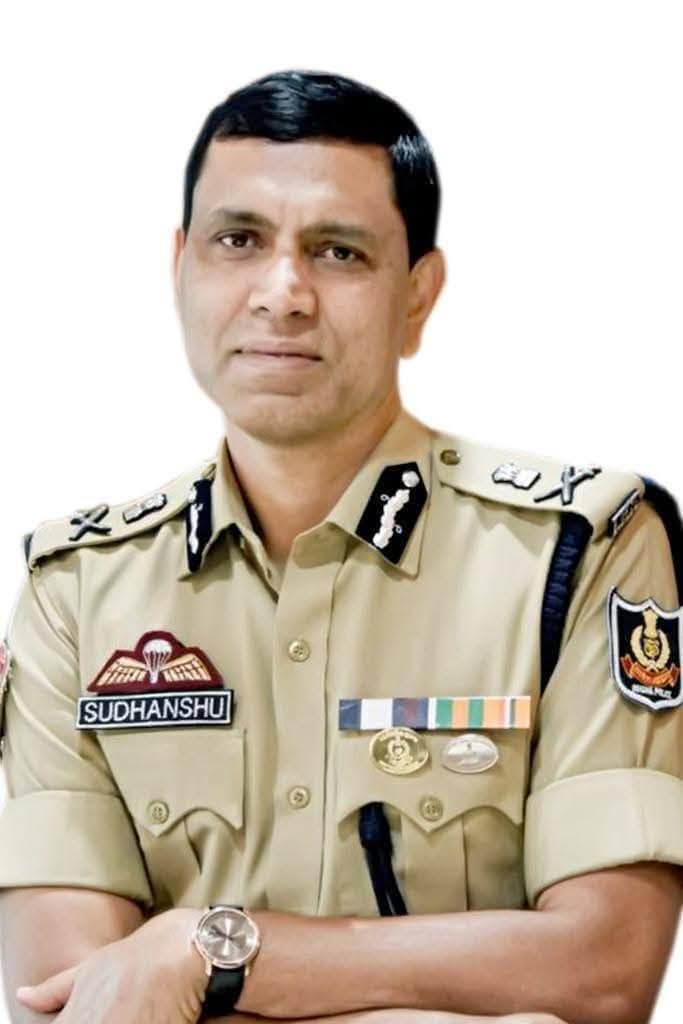
BHUBANESWAR: Ignoring Sudhanshu Sarangi 1990-batch IPS, currently DG Fire Services, Home Guards and Civil Defence for Odisha DGP and appointing a junior 1993-batch like R.P. Koche or tainted 1994-batch like Sanjeeb Panda would signal that Signal Seniority + Merit + Experience is Secondary in Odisha. Incumbent DGP Y.B. Khurania also 1990 batch retires on 16 August 2026 after a fixed two-year tenure.
Sarangi is the senior-most eligible officer still in the fray from the 1990 batch. He holds DG rank, has central empanelment for DG-level posts, and has held key assignments Bhubaneswar-Cuttack Commissioner during COVID, CMD of police housing corporation, etc.
Other contenders include R.P. Koche (1993, Director Intelligence, and recently promoted 1994-batch officers Sanjeeb Panda anti-Naxal operations and Yeshwant Jethwa. Panda is being falsely projected by some sources as having an edge due to Odisha’s progress against Left-Wing Extremism.
The process follows Supreme Court guidelines (Prakash Singh case): the state proposes eligible officers with at least ~6 months residual service, UPSC shortlists a panel of three on seniority + merit + experience, and the state government picks one from that panel.
What message it would send : Skipping the senior-most 1990-batch officer (and effectively the entire 1990 batch for the top post) in favour of a 1993/1994 officer would underline that the government prioritises specific performance records, perceived loyalty, compatibility.
Impact on police morale and institutional culture: Supersession of a senior officer with a strong academic and public-policing profile can demotivate the higher ranks and create perceptions of favouritism or lack of confidence in the overlooked officer. It reinforces that top appointments remain within the government’s discretionary zone once the UPSC panel is ready.
Continuity with past practices: Indian states including Odisha earlier have occasionally appointed juniors or acting DGPs by superseding seniors when they preferred a particular officer. This would fit that pattern rather than mark a radical break. The final choice still has to come from the UPSC’s three-name panel, so the government cannot simply ignore the process, but it retains significant leeway once that panel exists.
The UPSC cannot insist on or appoint Sudhanshu Sarangi — or any specific officer — as Odisha DGP.
How the process works (Supreme Court guidelines in Prakash Singh case). The state government sends a list of eligible senior IPS officers to the UPSC (usually at least 3 months before the vacancy). The UPSC’s Empanelment Committee evaluates them on length of service, service record, and range of experience.
The UPSC prepares and sends a panel of three names. The state government must choose one officer from that three-name panel and appoint them. It cannot go outside the panel.
What UPSC can do: Ensure only eligible officers meeting residual tenure of ~6 months, service record, are considered. Include the senior-most suitable officers (Sarangi, as 1990-batch and already DG-ranked, would normally figure strongly in any fair panel based on seniority + merit).
Reject or return incomplete/ineligible lists if the state tries to manipulate the process recent reports suggest UPSC has been cautious about ADG-level officers or withdrawn lists in the Odisha case. UPSC controls the shortlist; the state government controls the final pick from that shortlist.