




By Dr. Bibhuti Bhusan Nayak
BHUBANESWAR:The question of women’s political representation in India has been a long-standing issue, rooted in broader concerns about gender equality, social justice and inclusive governance. The Women’s Reservation Bill, which seeks to reserve one-third of seats in the Lok Sabha and state legislative assemblies for women, represents a landmark effort to address this imbalance. While the bill itself has evolved over decades, its spirit resonates strongly with the progressive vision of leaders like Biju Patnaik, who championed women’s empowerment long before it became a central political agenda.
Context of Women’s Representation
Since independence, India has made significant progress in democratic participation, yet women have remained underrepresented in legislative bodies. Despite constituting nearly half of the population, women have historically occupied only a small percentage of seats in Parliament and state assemblies. This disparity reflects structural barriers such as socio-cultural norms, limited access to resources and political marginalization. The Women’s Reservation Bill was first introduced in 1996 as a constitutional amendment. It proposed reserving 33% of seats in the Lok Sabha and state assemblies for women, including sub-reservations for women from Scheduled Castes and Scheduled Tribes. While the bill was passed in the Rajya Sabha in 2010, it faced repeated delays and lapses in the Lok Sabha due to political disagreements and concerns over implementation.
Significance of the Women’s Reservation Bill
The bill is not merely about increasing numbers, it represents a transformative step toward inclusive governance. Greater representation of women in politics can lead to more balanced policy-making with increased attention to issues such as healthcare, education, gender-based violence and social welfare. Evidence from local governance bodies, where reservations for women have already been implemented through the Panchayati Raj system, shows promising results. Women leaders have contributed to improved transparency, better allocation of resources and stronger community engagement. Extending such representation to higher legislative bodies is expected to amplify these benefits. However, the bill has also sparked debates. Critics argue that reservation alone may not ensure empowerment and could lead to proxy representation, where male family members exert influence behind the scenes. Others have called for sub-quotas for Other Backward Classes (OBCs) to ensure broader inclusivity. Despite these concerns, the overall consensus remains that the bill is a necessary step toward correcting historical inequities.
Biju Patnaik: A Pioneer of Women’s Empowerment
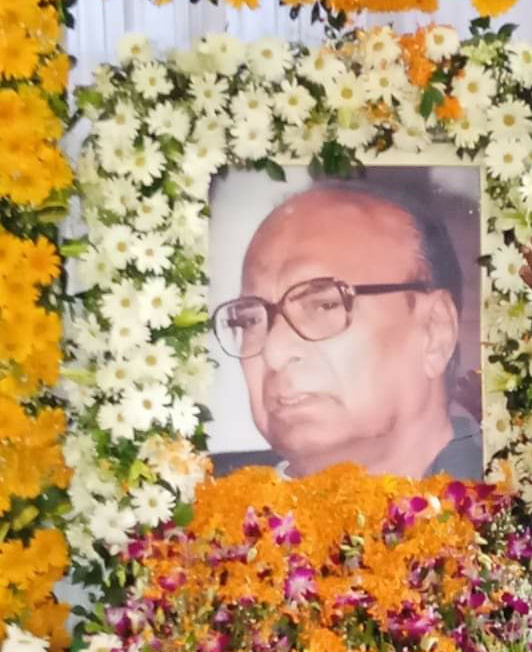
Biju Patnaik, the former Chief Minister of Odisha, was a visionary leader known for his progressive policies and bold initiatives. His approach to governance was deeply rooted in social justice and he recognized early on the importance of empowering women as a cornerstone of development.
One of his most notable contributions was the introduction of 33% reservation for women in Panchayati Raj institutions in Odisha, even before it became a national mandate. This move significantly increased women’s participation in grassroots governance and set an example for other states to follow. Patnaik believed that women’s empowerment was not just a social issue but a critical factor in economic and political progress. He supported women’s education, encouraged their participation in public life and promoted policies aimed at improving their socio-economic status. His initiatives helped create a new generation of women leaders in Odisha, many of whom went on to play important roles in state and national politics.
Alignment between the Bill and Patnaik’s Vision
The Women’s Reservation Bill can be seen as an extension of the principles that Biju Patnaik advocated. His early efforts to institutionalize women’s representation at the local level demonstrated both the feasibility and the benefits of such policies. The bill seeks to replicate this success at higher levels of governance, thereby completing the vision of inclusive political participation. Patnaik’s emphasis on practical implementation is particularly relevant to the ongoing debate on the bill. He understood that policy changes must be accompanied by supportive measures such as capacity building, education and institutional support. Similarly, for the Women’s Reservation Bill to achieve its full potential, it must be complemented by efforts to empower women leaders and address structural challenges.
Challenges
While the passage of the Women’s Reservation Bill marks a significant milestone, its success will depend on effective implementation. Key challenges include ensuring fair delimitation of constituencies, preventing tokenism and fostering an environment where women can exercise real authority. Political parties also have a crucial role to play. They must move beyond compliance and actively promote women candidates, provide them with resources and support their leadership development. Civil society organizations, educational institutions and the media can contribute by raising awareness and challenging stereotypes. In addition, there is a need to address intersectional issues. Women from marginalized communities often face multiple layers of discrimination, and their representation must be ensured within the broader framework of reservation.
Concluding observations
The Women’s Reservation Bill represents a historic step toward gender equality in Indian politics. It seeks to correct decades of underrepresentation and create a more inclusive democratic system. In many ways, it reflects the forward-thinking vision of leaders like Biju Patnaik, who recognized the importance of women’s participation long before it became a national priority. Patnaik’s legacy serves as both an inspiration and a guide. His emphasis on grassroots empowerment, practical implementation and social justice provides valuable lessons for the successful realization of the bill’s objectives. As India moves forward, the combination of legislative action and visionary leadership will be essential in building a truly equitable where women have an equal voice in shaping the nation’s future.
The Writer Dr. Bibhuti Bhusan Nayak is a Post-Doctoral Fellow in the Department of Public Administration, Utkal University, Vanivihar, Bhubaneswar-751004. Email: bibhutibhusanna@gmail.com