




By Our Correspondent
BHUBANESWAR: This move of Sujata R Kartikeyan , wife of VK Pandian , gives BJD a tactical shot in the arm for visibility, women’s outreach, and internal restructuring, but it carries risks of internal rifts and old baggage. For BJP, it’s more of a political talking point than an existential threat right now.
The real test will be in how effectively Sujata mobilizes on the ground and whether BJD can convert this into broader revival ahead of 2029. Odisha politics remains fluid, with Naveen Patnaik’s continued centrality being the biggest constant.
Yes, it is likely to have a noticeable but limited short-to-medium term impact on Odisha politics and on the ruling BJP, though its long-term effect depends on how actively she engages and how BJD positions her.
She is a 2000-batch Odisha-cadre IAS officer (now retired) who played a prominent role in Mission Shakti, a flagship women’s self-help group (SHG) empowerment program under the previous BJD government. It reached lakhs of rural women and was closely associated with Naveen Patnaik’s vision.
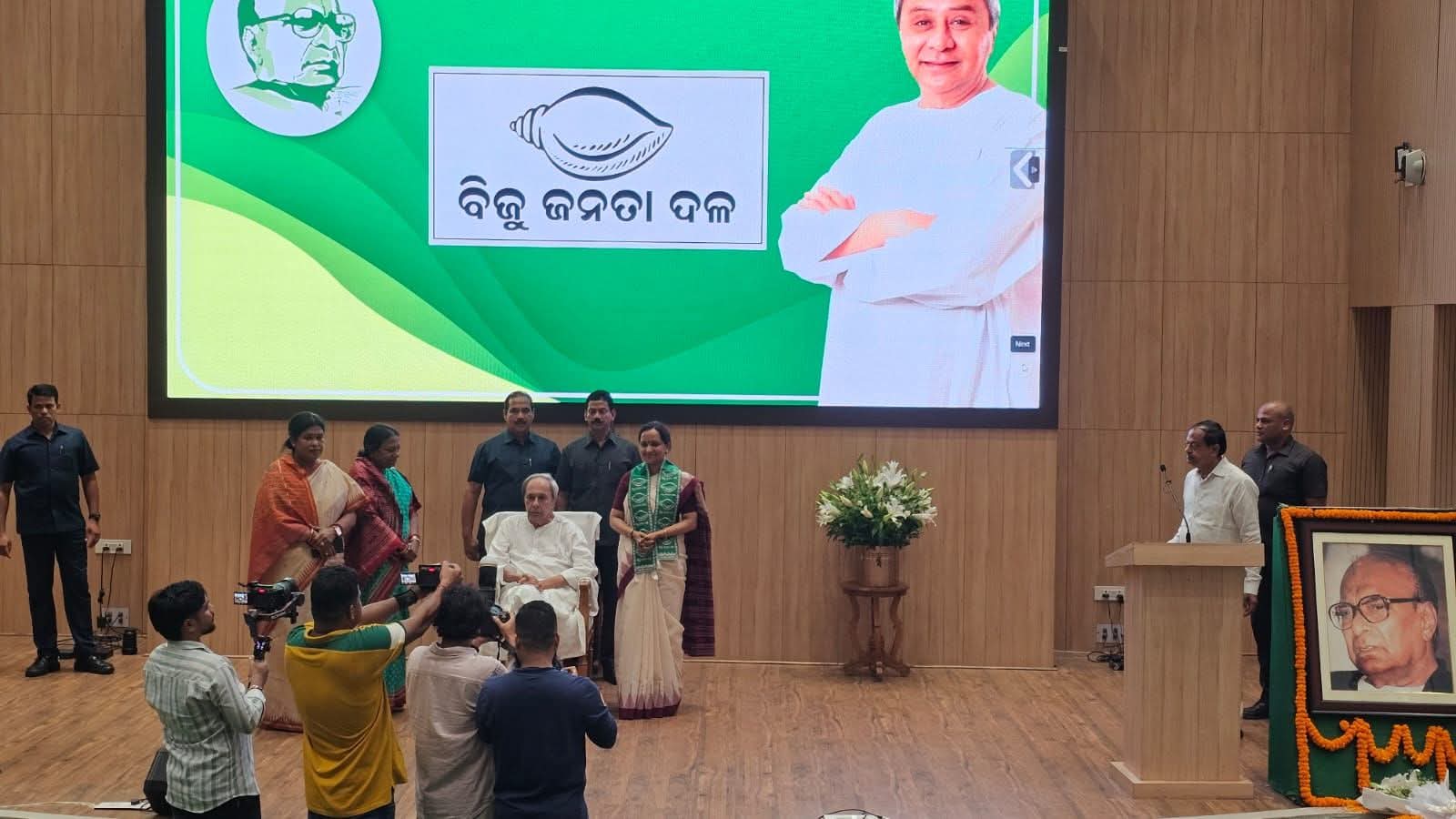
Wife of V.K. Pandian (former powerful bureaucrat-turned-BJD leader), which ties her directly to the “Pandian era” controversies. She took voluntary retirement in 2025 after BJD’s 2024 defeat. Today (June 25, 2026), she formally joined BJD as a general member in the presence of Naveen Patnaik at Sankha Bhawan.
Strengthens women’s and grassroots wing: Her administrative experience in women & child development, SHGs, and field-level work could help BJD rebuild its base among women voters, especially in rural areas where Mission Shakti had strong resonance. Some BJD leaders (e.g., Tukuni Sahu, Manmath Routray) have welcomed it for bringing governance expertise.
BJD has lacked a clear No. 2 after the 2024 loss (when it was reduced to a distant second). Her entry, alongside Pandian’s earlier move, signals an attempt to inject fresh (bureaucratic) energy and address the leadership vacuum. Naveen Patnaik has reiterated he will continue leading the party into future elections.
It generates buzz and keeps BJD relevant in public discourse, potentially aiding cadre morale and future by-elections or 2029 preparations
A section of senior BJD leaders and veterans is reportedly unhappy, viewing it as extending the “Pandian influence” and sidelining traditional Odia leaders. This could cause more factionalism.
The couple’s bureaucratic background and past allegations (e.g., perceived overreach during elections) may reinforce narratives of “outsider” or “dynastic/bureaucratic control,” which hurt BJD in 2024. Critics (including on social media) are already calling it a repeat of past mistakes.
Limited mass appeal so far: She joins as a “general member” without immediate high-profile role announced. Impact will depend on whether she contests elections, builds a personal following, or becomes a visible face.
It revives memories of the previous regime’s governance style and keeps the opposition somewhat energized. BJP can use it to remind voters of “Pandian Raj” controversies and alleged bureaucratic politicization, which was a factor in 2024.
BJP won a decisive mandate in 2024 partly due to anti-incumbency against BJD’s perceived centralization. One high-profile bureaucratic entry is unlikely to immediately shift the broader political balance unless BJD makes major organizational gains. BJP holds strong at the Centre and state level currently. They can frame this as BJD failing to learn from defeat and relying on the same old network, helping consolidate their own base.