




By Our Correspondent
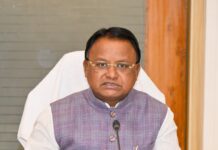
BHUBANESWAR/NEW DELHI:Vedanta Group has once again started efforts to extract bauxite from Niyamgiri hills in Kalahandi. Vedanta Group Chairman Anil Agrawal gave this information after discussing with Chief Minister Mohan Charan Majhi.
He informed that the state government has asked for all possible assistance for the extraction of bauxite from Niyamgiri and also asked to provide employment to the tribals of the area. Such a statement of the Vedanta Chairman has now surprised the tribals of Niyamgiri, especially the Dangaria Kandha who have come out to protect Niyamgiri. It is reported that they are once again coming out to protect their beloved deity Niyamgiri Raja.
Meanwhile, it risks significant damage to the Odisha government’s public image among tribal communities, environmentalists, and rights groups, while potentially strengthening its image among industry and pro-development sections—creating a polarized perception overall.
In last week of September 2026, Vedanta Group chairman Anil Agarwal met Odisha Chief Minister Mohan Charan Majhi and publicly pushed to revive bauxite mining in the Niyamgiri hills (Kalahandi-Rayagada). Agarwal stated that the government had assured steps for necessary permissions so the project could generate thousands of jobs, framing it as fulfilling an old commitment and utilizing Odisha’s large bauxite reserves. This came alongside Vedanta’s announcement of a roughly Rs 1 lakh crore investment plan in aluminium, refining, smelting (including projects in Dhenkanal and Rayagada), and related sectors.
Niyamgiri is sacred to the Dongria Kondh (a Particularly Vulnerable Tribal Group) as the abode of their deity Niyam Raja. In 2013, following a Supreme Court directive that gave gram sabhas the decisive say under the Forest Rights Act and related provisions, all 12 relevant gram sabhas unanimously rejected the Vedanta-Odisha Mining Corporation proposal. The project was shelved after years of strong local resistance. The Lanjigarh alumina refinery has since relied more on other/imported sources. Parallel resistance has continued against Vedanta’s nearby Sijimali bauxite project, including protests, clashes, and legal challenges over consent and forest rights.
Tribal leaders and groups (including Niyamgiri Suraksha Manch) immediately rejected the move, calling the hills sacred and essential to their livelihood and culture, and vowing continued resistance “even if we have to die.” This revives memories of the 2013 “environmental referendum” and positions the government as prioritizing corporate interests over constitutional protections for Adivasis, PESA, and Forest Rights Act processes. It risks accusations of undermining gram sabha consent, especially amid ongoing Sijimali tensions involving alleged repression, contested consents, and police actions.
For a government led by a tribal CM (Majhi, from a mining-affected background), this can appear inconsistent with earlier stances on protecting locals from exploitation and could erode trust in scheduled areas. National and international coverage of tribal resistance (as in the original Niyamgiri case) can amplify perceptions of the state as development-obsessed at the expense of indigenous rights and ecology.
The signal does not automatically mean mining will restart—gram sabha consent, environmental clearances, forest diversion, and legal hurdles (including the 2013 precedent) remain high barriers, and immediate tribal pushback makes smooth revival unlikely without major confrontation.
Public image effects will depend on next steps: if the government distances itself, insists on fresh free prior informed consent, or prioritizes alternatives (like other mines already secured by Vedanta), damage can be limited. Aggressive facilitation, however, risks protests, legal challenges, and a narrative of repeating past conflicts, potentially harming the BJP-led government’s standing in tribal-dominated or environmentally sensitive areas while pleasing industrial lobbies.
In short, the signalling already rekindled sharp opposition and associates the state government with a highly symbolic, contested project. It strengthens a “development vs. rights” framing that historically favored the tribals’ image of successful resistance, while the government gains some credit for investment attraction among growth-oriented constituencies. Balanced handling (transparent process, genuine consent, local benefits) would be needed to mitigate reputational costs.
The government has emphasized large-scale job creation (claims of 2 lakh+ direct/indirect jobs from the broader Vedanta package), industrial growth, aluminium value addition, and Odisha’s mineral potential toward a larger economy goal. Supporting permissions and investment facilitation can burnish an image of being business-friendly, decisive on employment, and focused on self-reliance in resources—aligning with narratives of using “resources beneath the earth.” Agarwal’s framing of reduced resistance and foreign “instigation” in the past may resonate with some who view past opposition as external. Official statements after the meeting stressed support for job-generating projects without publicly detailing Niyamgiri-specific commitments beyond Agarwal’s claim