







By Our Correspondent
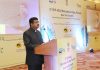
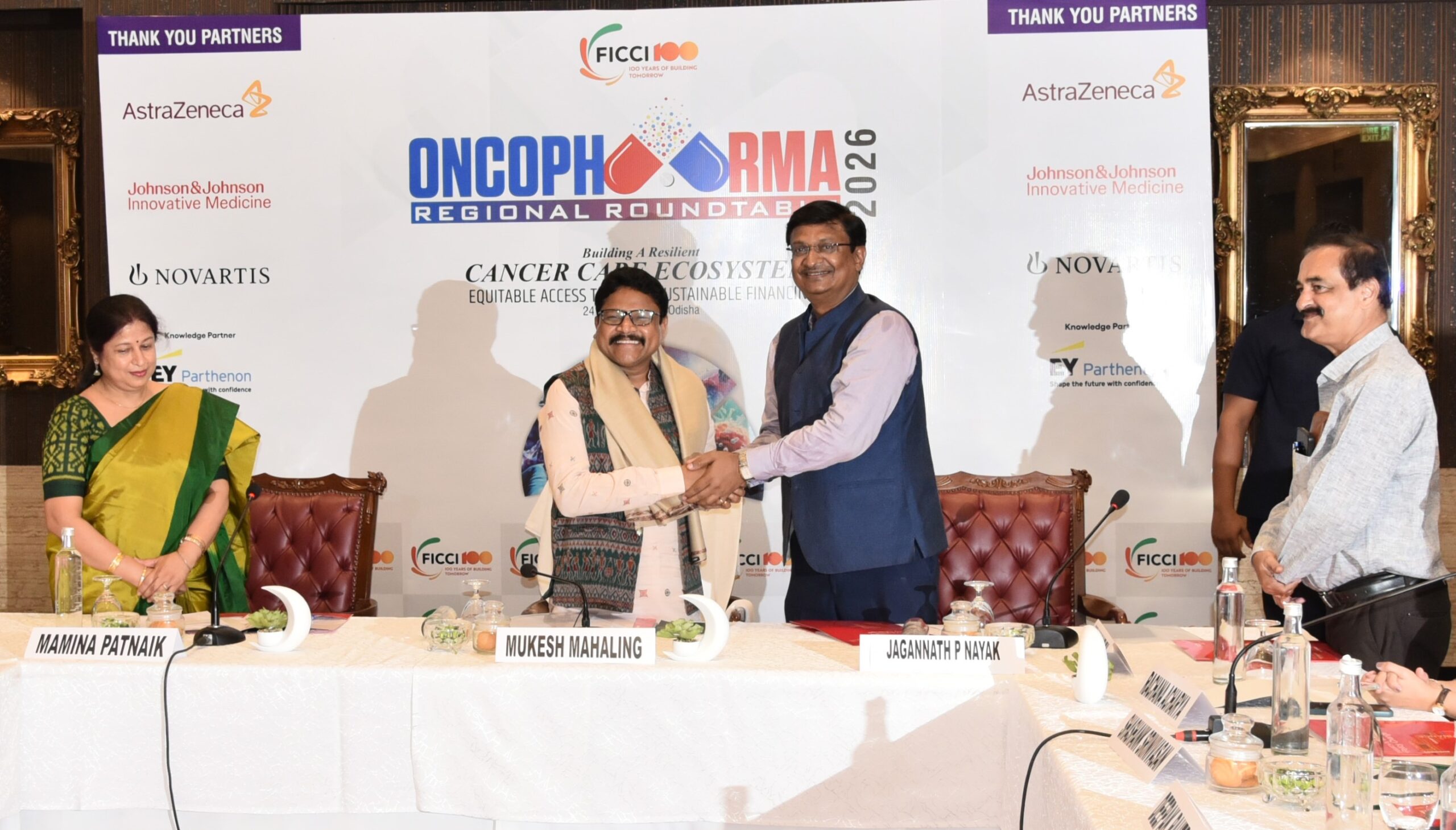
BHUBANESWAR: FICCI, today organized ‘OncoPharma 2026’ Roundtable on Building a Resilient Cancer Care Ecosystem: Equitable Access through Sustainable Financing (Odisha Chapter), bringing together senior government officials, healthcare professionals, oncologists, hospitals, patient advocacy groups, public health experts and industry leaders to deliberate on strengthening cancer care in Odisha.
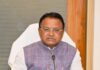
Addressing the roundtable, Dr Mukesh Mahaling, Minister of Health & Family Welfare, Parliamentary Affairs, Electronics & Information Technology, Government of Odisha, said, “Odisha is committed to building a resilient and accessible cancer care ecosystem through substantial financial investment and robust mass screening. With a Rs 311 crore budget allocated for the Mukhyamantri Cancer Care Yojana, the state has expanded local treatment capabilities, establishing day-care chemotherapy centres across 32 districts that recently delivered over 35,000 treatment cycles.”
He added that the government has integrated 91 specialised cancer packages under state health schemes to reduce the financial burden on vulnerable families and is fully engaged in the national HPV vaccination drive for young girls. He highlighted the Sustha Nari, Sasakta Parivar initiative, under which more than 1.5 crore women have been screened for breast, cervical and oral cancers.
Dr Mahaling called for stronger participation from the private sector, industrial houses and technology startups to take advanced diagnostics and screening services to rural communities. He urged major corporations operating in Odisha to utilise their CSR funds to adopt districts and deploy mobile cancer screening vans. He said public-private partnerships, including collaboration with institutions such as the Acharya Harihar Regional Cancer Centre, can help promote innovative screening models, enable early detection, reduce late-stage treatment costs and ensure equitable access to life-saving cancer care.
Mr Jagannath P Nayak, Chairman, FICCI Odisha State Council, said, “As advances in medicine and technology unlock new possibilities for patients, ensuring these innovations reach everyone who needs them—especially in rural areas—remains an essential priority. Cancer imposes profound financial, emotional, and social strains on families, making equitable access, sustainable financing, and early detection mechanisms critical to easing this burden. Addressing a challenge of this magnitude requires government, healthcare professionals, industry, and patient advocacy groups to break down silos and build a truly resilient, accessible, and affordable cancer care ecosystem together.”
Providing the clinical perspective, Dr Durga Madhab Satpathy, Director, Directorate of Medical Education and Training, Government of Odisha, stressed the importance of early detection. He said that while primary prevention should remain the ultimate goal, cancer care must simultaneously focus on secondary prevention by detecting the disease at an early stage, when treatment is most effective. He emphasised the need to take systematic screening and diagnostic tools to remote communities, address social stigma and ensure timely intervention irrespective of geographical location.
Ms Mamina Patnaik, Drug Controller, Government of Odisha, highlighted the importance of prevention alongside treatment and palliative care. She drew attention to the growing risks associated with tobacco consumption and novel nicotine products, including Electronic Nicotine Delivery Systems (ENDS), and emphasised the need for strong preventive strategies, compassionate patient support and streamlined regulatory pathways for essential pain-management medicines.
The roundtable featured two key sessions—‘Tackling the Cancer Menace: Collaboration for Care’ and ‘Ensuring Equitable Access Through Innovative & Sustainable Financing’. The discussions examined Odisha’s existing cancer-care framework, disease burden, access gaps and opportunities for adopting advanced therapies. Participants also deliberated on systemic, financial and policy bottlenecks across the cancer-care value chain, including procurement, reimbursement, affordability, diagnosis, treatment and continuity of care.
The roundtable concluded with a shared recognition that Odisha is at an important point in its cancer response. Stronger investments in screening, timely diagnosis, sustainable financing and access to appropriate therapies can help the state reduce avoidable cancer deaths and improve outcomes for patients and families. The roundtable was supported by EY as Knowledge Partner, with AstraZeneca, Johnson & Johnson Innovative Medicine and Novartis India as Industry Partners.