





By Our Correspondent
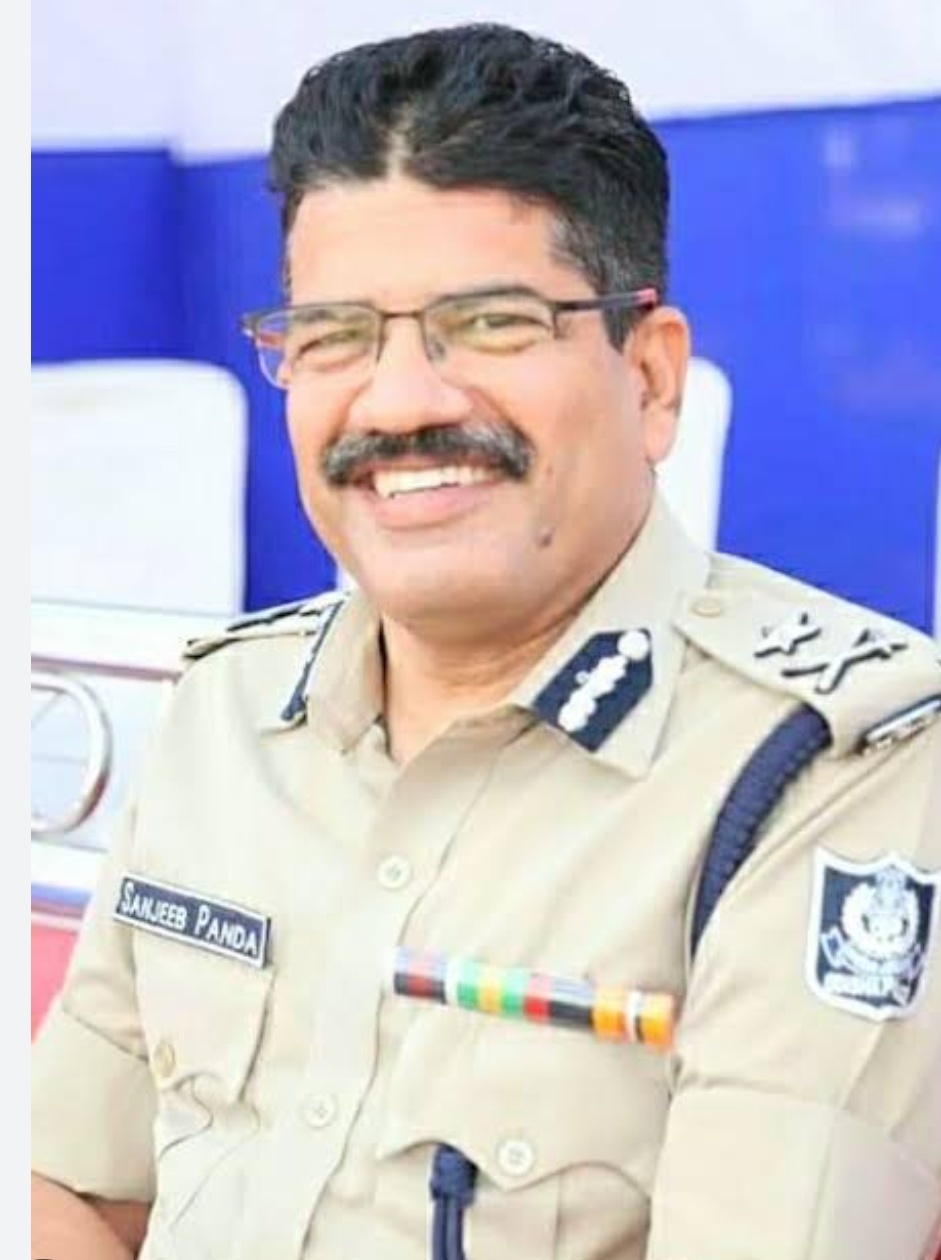
BHUBANESWAR: Odisha CMO seems Ignoring Lingering Public Perception from 2024 Bharatpur Police Station Incident Sanjeeb Panda Tenure as Twin City Police Commissioner, Speculation around Perceived Proximity to the Previous BJD Regime by pushing his Name for State Police Chief.
Conduct; complete a quiet internal review of relevant service issues, Ensure the Crime Branch and Judicial Inquiry findings related to the 2024 Bharatpur police-station incident which occurred during Panda’s tenure as Twin City Commissioner are fully examined for any systemic or supervisory lapses.
If any residual administrative responsibility is identified, address it through normal departmental processes before finalising a top appointment. This reduces future opposition attacks and public-trust deficits. Separately verify that no pending vigilance or integrity issues exist for any contender.
Keep the decision merit-driven, not purely political. Prefer the officer with the strongest combination of seniority, clean record, and demonstrated ability to handle both internal security and public-facing policing.
The tenure of the present sitting DGP YB Khurania ends on 16.08.2026. Retirement orders have been issued by Odisha Government. There is no provision for interim DGP as per orders of the Supreme Court of India.
The meeting of the UPSC was held on Friday . The meeting partly concluded because of letter of Vigilance regarding the role of candidate at Sl. No. 02, Susanta Nath. The UPSC is learnt to have kept the decision pending. There is no point in deferring the decision as the UPSC can take a decision and forward the names of three or less than three eligible candidates to the State Government.
Primarily political, administrative friction and lingering public perception issues from the 2024 Bharatpur police station incident during Sanjeeb Panda tenure as Twin City Police Commissioner, plus speculation around perceived proximity to the previous BJD regime.
Sanjeeb Panda is a 1994-batch Odisha-cadre IPS officer. He has held key posts including Director Intelligence, Commissioner of Police (Bhubaneswar-Cuttack, appointed early 2024), ADG Training/Director of Biju Patnaik State Police Academy, and currently ADG Anti-Naxal Operations (with Special Intelligence Wing responsibility).
While he was Police Commissioner, an Army officer and his fiancée alleged custodial assault/molestation after approaching Bharatpur police station over a road-rage complaint. The episode caused major embarrassment, nationwide criticism, suspensions of station-level personnel, a Crime Branch probe, and a judicial inquiry.
Panda was transferred out shortly afterward (to ADG Training). Making him DGP could revive opposition (especially BJD) criticism that the top police leadership failed to prevent or quickly address high-profile misconduct under his watch, damaging the government’s law-and-order credibility.
Media and police-circle speculation have linked him rightly or wrongly to the prior BJD, Naveen Patnaik era. In a BJP government that defeated BJD in 2024, elevating an officer seen by some critics as aligned with the previous regime risks internal bureaucratic resistance, opposition attacks on “continuing old loyalties,” or claims of compromised independence. Recent delays in promoting him (and another 1994-batch officer) to DGP rank—despite eligibility and vacancies being cited as the formal reason—have already fuelled quiet speculation about such considerations.
Current DGP Y.B. Khurania’s tenure was set to run into August 16. Appointing a relatively junior (1994-batch) officer over more senior DG-rank officers like 1990 batch Dr Sudhanshu Sarangi , already in the cadre could invite questions about merit vs. other factors, especially amid Odisha’s acute IPS shortage and the formal UPSC panel process for the next DGP.
As DGP he would oversee statewide law-and-order, anti-Maoist efforts, and high-visibility policing. Any recurrence of custodial or station-level controversies could be blamed on leadership continuity from the Bharatpur period. Conversely, his anti-Naxal and intelligence experience is a potential strength, but the government would still face political attacks framing the choice as risky.
In short, the main likely problems are renewed political controversy over the Bharatpur episode, opposition narratives about past political associations, and questions about the message it sends on police accountability—rather than any widely documented personal criminal allegation against him. Appointments at this level are ultimately political decisions weighed against seniority, performance, and cadre management.
The Odisha government should prioritise a transparent, criteria-based process for the DGP appointment, address residual perception issues from past incidents, and strengthen institutional safeguards—regardless of whether Sanjeeb Panda is selected.
Follow the established UPSC-empanelment process strictly. Forward a clear panel of eligible senior officers (already done in recent cycles with names including more senior DG-rank officers and 1994-batch officers like Panda). Let the UPSC shortlist three names based on service record, integrity, and performance. The state government then chooses one from the panel. Avoid any appearance of favouritism or political filtering that could later invite legal or public challenges.
If Panda is chosen, the government should simultaneously announce complementary measures: stronger CCTV and body-camera coverage in police stations, faster grievance redressal for citizens, and clear accountability protocols for custodial incidents.
Brief key stakeholders opposition leaders, civil society, and the media) on the selection rationale to limit speculative narratives about past political associations.
If concerns about perception outweigh operational strengths for any candidate, select another eligible officer from the panel. Conversely, if Panda’s record is assessed as strong and the Bharatpur episode shows no personal culpability, the government can appoint him while pairing the decision with visible police reforms.
The safest course is a clean, documented selection from the UPSC panel, paired with concrete steps that improve police accountability and public confidence. This minimises both operational risk and political controversy, whichever officer ultimately becomes DGP.