








By Our Correspondent
BHUBANESWAR: In 2007-08, Satish Kumar Gajbhiye was working as the SP of Malkangiri district. At that time, a notorious Maoist was arrested, for which a reward of Rs 3 lakh 55 thousand was received by the SP’s office from the Andhra Pradesh Government.
As per the rules, out of this, Rs 1 lakh 55 thousand was to be given to six police personnel and the remaining Rs 2 lakh to the common man who provided confidential information. Almost three years after the incident, i.e. in 2011, three police personnel suddenly complained that they had not received the reward money.
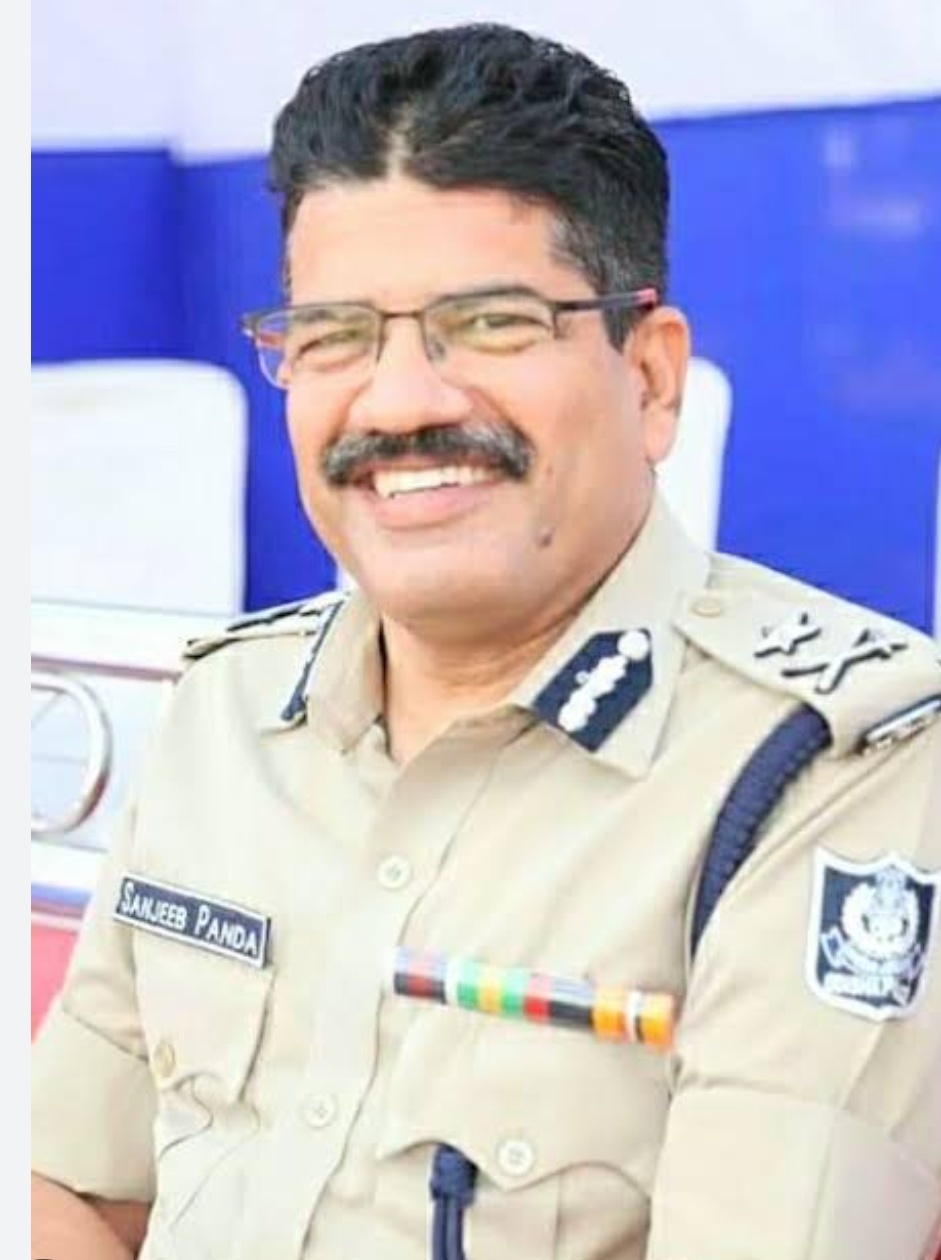
Following this allegation, the Director (Intelligence) of the Police Department assigned Sanjeeb Panda to conduct a preliminary investigation. After conducting his investigation, Sanjeeb Panda submitted a report in 2012 stating that the reward money had not been distributed. Based on this report, the Odisha government took departmental action and issued a charge-sheet against Gajbhiye in 2015.
In fact, Gajbhiye, now IGP, OSAP, had most of the receipts for the money. These were in government records too. He still has them. But he couldn’t say that. Because the question would have arisen: if he have preserved these why not other receipts? Therefore he took another legal stand in court and won the case.
Before the court proceeding, there was a departmental proceeding going on . Panda had given statements against Gajbhiye. When Panda was giving statements against Gajbhiye that time itself there was a blast at his residence breaking walls and glass.
Gajbhiye took legal action against this and the case reached the Orissa High Court. The High Court, while hearing the case, raised several serious questions about the investigation conducted by Sanjeeb Panda. The court pointed out that when the reward money was distributed in 2007-08, Sanjeeb Panda himself was the DIG South Western Sunabeda, of the same ranger in charge of Malkangiri district. The golden rule of law is that an officer cannot be the judge or investigator of an incident in which he is personally involved or supervising.
The High Court further observed that while conducting the investigation, Sanjeeb Panda did not give any opportunity to the accused officer Gajbhiye to clear himself or present his side, which is completely against the rules of natural justice. He recorded the statements of the police personnel truthfully, but did not interrogate the public who had given confidential information. Moreover, while he was asked to submit the report by August 2011, he submitted the report with a long delay of 9 months without taking any permission. Based on all these facts, the Court held that the investigation was tainted by personal and professional bias.
Since action was taken against Gajbhiye without proper approval from the Chief Minister or any legal authority and on the basis of such biased preliminary investigation, the High Court declared the entire case illegal and quashed it, and ordered Gajbhiye to be given all promotions.
Later, the Odisha government approached the Supreme Court against the High Court’s decision. But the Supreme Court also accepted the High Court’s verdict as completely correct and dismissed the state government’s appeal.
The Supreme Court clarified that no chargesheet can be issued against anyone on the basis of such preliminary investigation conducted outside the legal framework. In short, both the High Court and the Supreme Court completely quashed all the departmental cases against Gajbhiye, calling the investigation process conducted by Sanjeeb Panda illegal, one-sided and biased. In ACF Soumiya Ranjan Mohapatra case, High Court and Local Courts overtured his Investigation as ADGP CID-CB, later accused DFO Sangram Behera , arrested and was suspended by Chief Minister Mohan Charan Majhi.