





By Our Correspondent
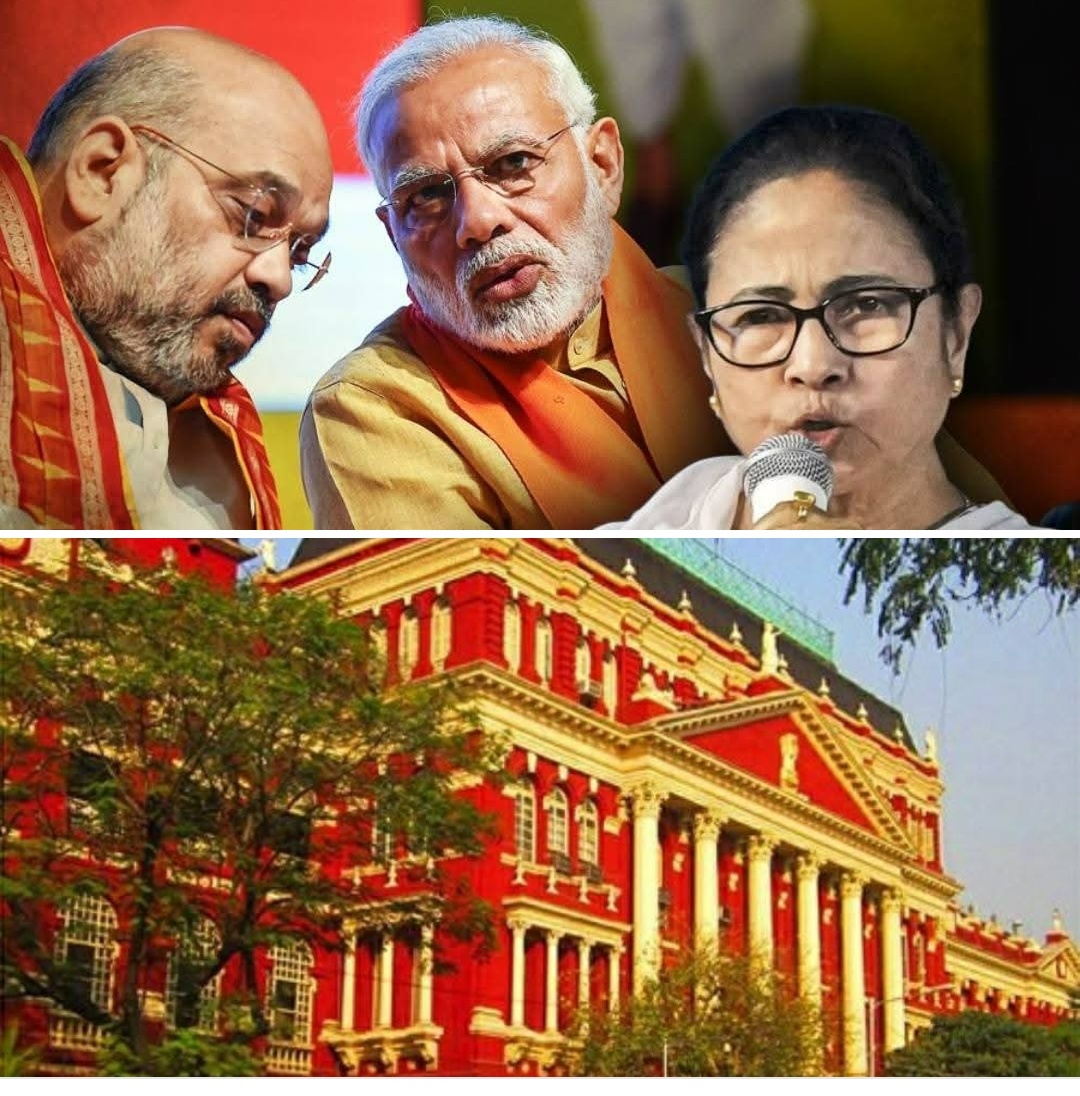
BHUBANESWAR: BJP’s claim of “capturing power” in West Bengal reflects aggressive campaigning and real momentum — they are likely to cross 120–130 seats (big improvement over 77). However, available data (polls, by-elections, 2024 LS baseline) tilts toward TMC scraping through for a fourth term with 150–180 seats, possibly a reduced majority. A hung or extremely narrow result isn’t impossible, but outright BJP government looks like an uphill task unless Phase 2 delivers a massive surprise swing.
Elections can defy polls especially in polarized states with strong incumbents. Final outcome depends on actual votes on 29 April and how fragmented or consolidated the anti-TMC vote proves. Watch results on 4 May — margins in key battlegrounds will tell the real story.
TMC is more likely to secure a fourth term, though the contest looks significantly tighter than in 2021, with BJP poised for major gains but probably falling short of a majority. Elections are being held on 23 and 29 April 2026 (two phases), with results on 4 May 2026. Most independent opinion polls and ground assessments as of late April 2026 point to TMC retaining power with a reduced majority, while BJP surges in seats and vote share.
Recent Benchmarks
2021 Assembly: TMC won 215 seats (48% vote share), BJP jumped from 3 to 77 seats (~38% vote share). TMC held a clear edge.
2024 Lok Sabha: TMC won 29 of 42 seats (~46% vote share), BJP 12 (~39%). TMC retained dominance but BJP stayed competitive in many areas.60eb54
Current Polling Trends (April 2026)
Recent surveys (VoteVibe, Matrize/IANS, ABP-CNN-News18, etc.) generally project:
TMC: 155–194 seats (most cluster around 160–180). Vote share ~41–45%.
BJP: 100–150 seats (often 108–124). Vote share ~40–43%, sometimes nearly tying TMC.
Others (Left/Congress/ISF): Low single digits to low teens.
ABP-CNN-News18: TMC ~161, BJP ~124 (TMC 43%, BJP 40%).
VoteVibe: TMC 174–184, BJP 108–118.
Matrize: TMC 155–170, BJP 100–150 or lower.
Some polls show it wafer-thin; a few YouTube/expert predictions are more bullish on BJP (~150+), but mainstream ones favor TMC holding on. Exit polls (pre-results) also lean toward a close TMC edge (~140–160 range in aggregates).
By-elections since 2021 strongly favored TMC (20 of 21 wins, often with improved vote share), suggesting entrenched local machinery and welfare networks.
Key Factors Favoring TMC (Incumbency + Ground Game)
Welfare schemes: Lakshmir Bhandar, Duare Sarkar, Kanyashree, etc., create direct beneficiary loyalty, especially among women, rural, and poorer voters. Mamata’s “10 Protigya” manifesto doubles down on health, jobs, and schemes.
Organizational strength: TMC has deep local cadre, panchayat control, and “poriborton” fatigue hasn’t fully translated into anti-incumbency votes yet.
Mamata factor: She remains the dominant face and preferred CM in many surveys. Regional identity (“Jai Bangla”) counters BJP’s narrative.
Fragmented opposition: Left and Congress are weak; any split votes often help TMC in multi-corner fights.
Challenges for TMC: 15 years in power bring visible anti-incumbency — complaints of “cut money” (corruption at local levels), law & order issues (Sandeshkhali, post-poll violence perceptions), unemployment, industrial stagnation, and migration. Some polls show erosion in urban/Kolkata areas and certain rural belts.
BJP’s Position: Strong Challenger, Not Yet Winner
Gains since 2019: Consistent vote share rise (national wave + consolidation of Hindu/non-Bengali votes in pockets). BJP improved outreach by toning down “outsider” image, focusing on local issues, culture, women’s safety, and CAA promises (esp. for Matua community).
North Bengal and some border/Junglemahal areas remain stronger for BJP; they target narrow-margin TMC seats from 2021 (~57 such seats).
Campaign: High-pitched rallies by Modi, Shah, and local faces like Suvendu Adhikari. Post-Phase 1 (23 April, 152 seats), BJP leaders claimed 100+ wins in that phase alone — typical confident projection, but unverified.
BJP limitations: Still seen as weaker in core South Bengal strongholds. Failure to fully convert 38–40% vote share into seats due to TMC’s first-past-the-post efficiency and welfare pull. Past over-optimism (2021) didn’t materialize. Polarization helps but hasn’t broken TMC’s machine yet.
Turnout and swings: High Phase 1 turnout (~93%) is interpreted differently by both sides. Urban swing or last-minute consolidation could decide dozens of close seats.
Identity and local blocs: Matua, tribal, Namasudra, and other communities matter transactionally. Infiltration/”Bengaliness” rhetoric cuts both ways.
Unpredictability: 57+ low-margin seats mean even 2–3% vote shifts can flip 20–30 seats. Prediction markets and ground chatter describe it as “close” rather than a wave.