








By Our Correspondent
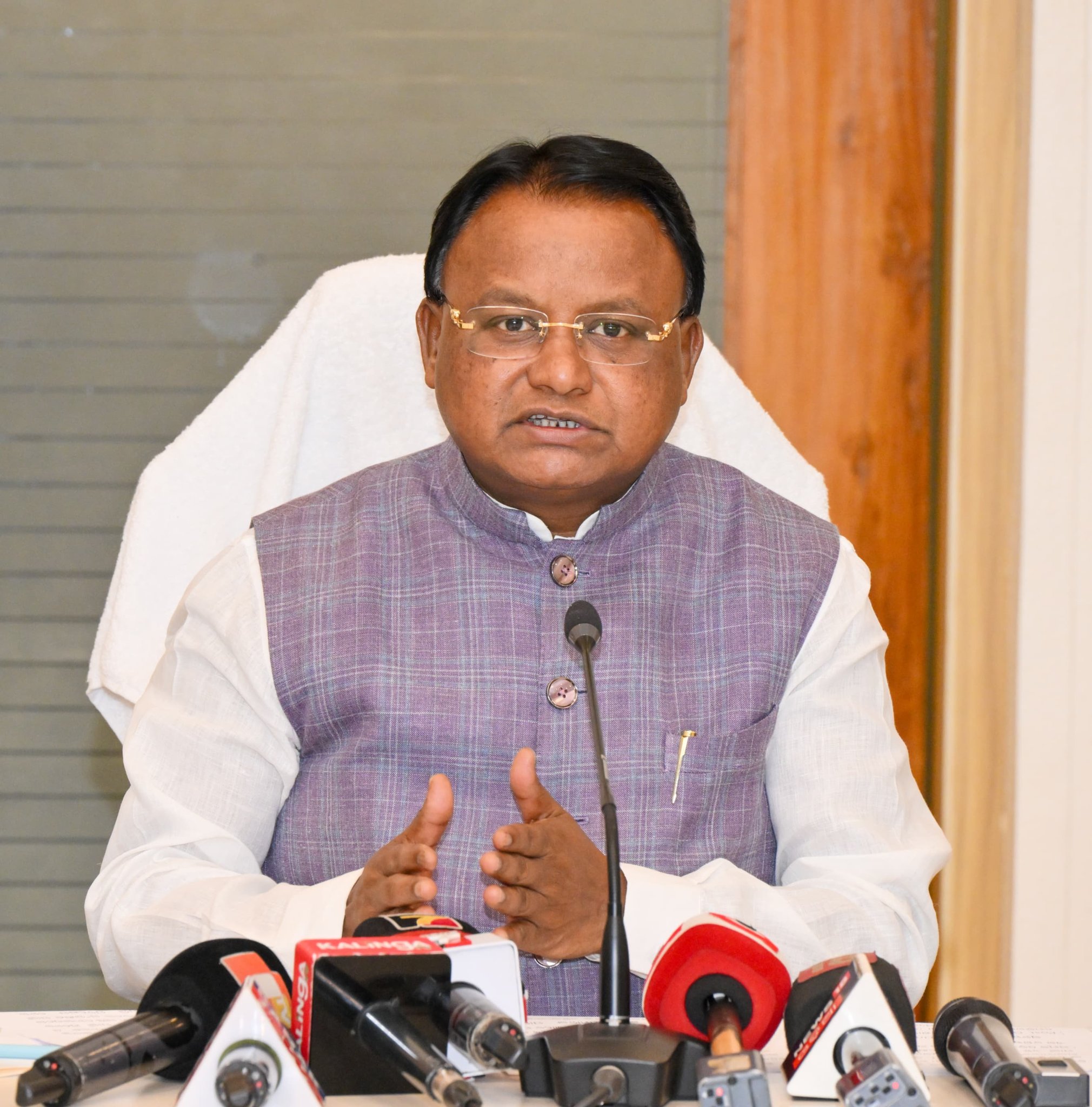
BHUBANESWAR: The Odisha state government under Chief Minister Mohan Charan Majhi’s BJP administration bears primary responsibility for the situation that led to Supreme Court intervention and criticism in the DGP selection process.
The process is governed by the Supreme Court’s 2006 Prakash Singh judgment (and later clarifications in 2018–2019). States must send eligible senior officers’ names to the UPSC well in advance; the UPSC then empanels the three most suitable based on length of service, record, and relevant experience; the state selects the DGP from that panel, with a fixed two-year tenure.
What happened in Odisha (around the retirement of incumbent DGP Y.B. Khurania in mid-August 2026):
The state initially sent three senior DG-rank names (including 1990-batch Sudhanshu Sarangi and 1993-batch officers Sushant Nath and RP Koche). It later expanded the list to 11 by adding more junior ADG-rank officers (1994–1996 batches).
On 10 August 2026, it hurriedly promoted two 1994-batch officers (Sanjeeb Kumar Panda and Yeshwant Kumar Jethwa) to DG rank, which critics said was timed to bring them into contention. There were also reports of the state seeking to withdraw an integrity certificate of one officer like Sushant Nath of 1993 batch mid-process.
A PIL argued by senior advocate P. Chidambaram alleged this was an attempt to bypass the court’s binding procedure and engineer a preferred (“backdoor”) outcome. On 13 August 2026, a Supreme Court bench headed by CJI Surya Kant (with Justices Joymalya Bagchi and V. Mohana) intervened. It obtained an undertaking from the UPSC not to finalise any panel, observed that “any backdoor entry is not acceptable,” and put the process on hold. Hearings continued into early September 2026 (deferred to 7 September), with the state under an interim acting DGP arrangement.
The state controls the proposal list sent to the UPSC, the timing of promotions, and any mid-process changes. Expanding the pool after the process had started and accelerating promotions of relatively junior officers created the appearance (and legal challenge) of circumventing the seniority/merit framework fixed by the Court.
This is not unique to Odisha—multiple states have tested the Prakash Singh boundaries—but the sequence here triggered the Court’s sharp response and public scrutiny framed as humiliation.
The state has defended its actions as normal administrative promotions and its right to send a revised, eligible proposal. The Court has not yet issued a final ruling on the merits; the process remains stayed pending further hearing.
Political or bureaucratic preferences for particular officers are common in such appointments, but the Court has repeatedly insisted the process remain insulated from ad-hoc manipulation. The responsibility for creating the conditions that invited judicial intervention and the associated embarrassment rests with the state executive that altered the list and timing.
No final judicial finding of illegality has been made as of the latest reported hearings early September 2 2026, and the state’s counter-affidavit is on record. The outcome will depend on the Court’s assessment of compliance with its own earlier directions.
It may be noted here that the Supreme Court will hear the matter again on September 7. During the hearing, senior lawyer P Chidambaram, appearing for the petitioner, said a rejoinder had been filed on Tuesday evening. Amicus curiae Raju Ramachandran said he would file his report and needed more time to do so. He requested time until Monday, which the bench allowed. The court then adjourned the case to September 7. At the next hearing, the court may hear the parties’ views and arguments on Ramachandran’s report. A bench comprising CJI Surya Kant, Justice Joymalya Bagchi and Justice V Mohana deferred the matter till September 7.
The PIL alleges that Odisha was trying to shortlist a junior-rank officer for the post of DGP, contrary to the Supreme Court’s directions in the Prakash Singh case. The petitioners have argued that the state’s move violates the directions issued by the Supreme Court in 2006. These directions require the UPSC to prepare a panel of three senior-most eligible officers for appointment as DGP.