









By Our Correspondent
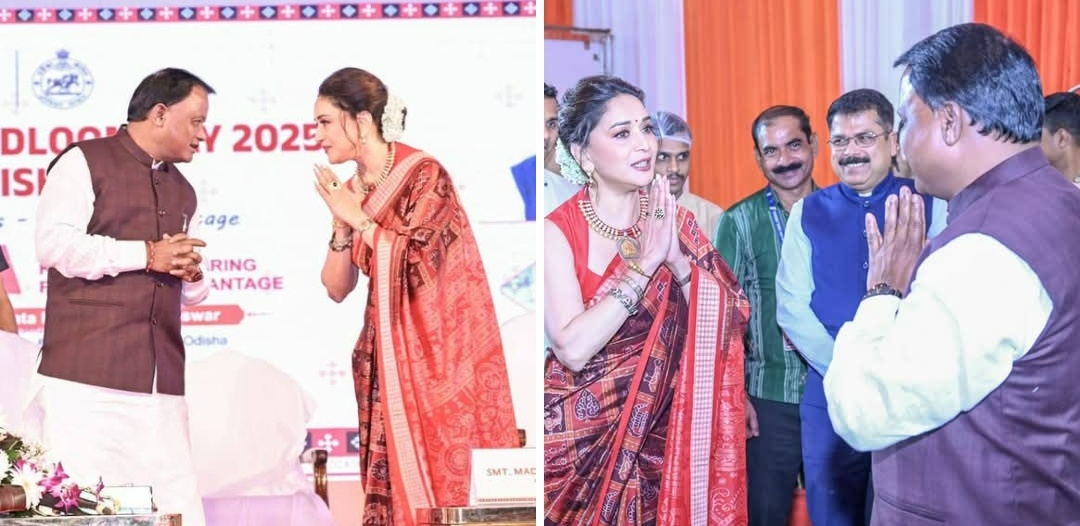
BHUBANESWAR: The Odisha Government spent Rs 1.6 crore on Madhuri Dixit to promote Odisha’s Sambalpuri and traditional handloom products.
But what has Odisha’s handloom sector actually gained from this expensive celebrity promotion?She may have promoted Odisha’s handloom products only two or three times, but today we are hearing the news that 7 yarn production units in the Sambalpur region have shut down.
At the same time, the cost of cotton has reportedly increased from around Rs 5,000 to Rs 6,000, while the cost of dyes and colours has also increased. And then Modi government told that 5% GST on cotton-related business is “Low.”
But the real question is : -How much does the ordinary worker actually earn after Tax?When many workers and artisans are struggling with monthly incomes of just Rs 3,000– Rs 6,000, what does a low GST rate actually mean for them?
Under the current GST structure for applicable made-up textile/handloom articles:
- 5% GST – Sale value up to ₹2,500 per piece.
- 18% GST – Sale value above ₹2,500 per piece.
GST is only one part of the problem?There are costs at every stage cotton, yarn, dyes and colours, transportation, working capital, and other business expenses. For businesses involved in imports or exports, additional taxation and compliance costs can also add to the burden.This is how the Tax burden slowly eats into the survival of traditional industries. Some people argue that spending Rs 1.6 crore on a celebrity brand ambassador was worth it because it created publicity for Odisha’s handloom sector.
Fine.But imagine if even that Rs 1.6 crore had instead been used to support the struggling yarn and handloom units helping them with raw materials, working capital, technology, marketing and debt relief.Perhaps those 7 units could have fought to survive for a few more years.
A handloom industry cannot survive on celebrity appearances and advertisements alone.It needs affordable raw materials, sustainable wages, access to markets, working capital and genuine government support.
If production costs continue to rise while demand remains weak and small units remain burdened by debt and operating costs, then shutting down becomes inevitable.The painful question is simple: Are we spending money to Save Odisha’s handloom industry, or merely spending money to advertise that it exists?Sambalpuri Handloom needs economic support not just celebrity publicity.