


By Our Correspondent
BHUBANESWAR: The Biju Janata Dal (BJD) faces a precarious future in Odisha politics as of early 2026, particularly in a scenario without its long-time leader Naveen Patnaik and his former aide V.K. Pandian. While the party has deep roots in regional identity and a history of governance from 2000 to 2024, its survival hinges on resolving internal fractures, grooming new leadership, and adapting to opposition dynamics after the BJP’s decisive 2024 victory. Below, I’ll break down the current scenario based on recent developments and analyses.
Current State of BJD
Post-2024 Challenges: The BJD’s crushing defeat in the 2024 assembly elections—dropping from 113 seats to just 51( now at 48, 2 MLA suspended, Nuapada MLA seat lost to BJP in byepolls—marked the end of Patnaik’s 24-year rule as Chief Minister. This loss has exposed vulnerabilities, including over-reliance on Patnaik’s personal charisma (often called “Naveen Magic”) and resentment toward Pandian, who was seen as an “outsider” (a Tamilian IAS officer turned politician) influencing key decisions. Pandian retired from active politics in June 2024, citing the electoral setback, but his shadow lingers—party insiders and critics blame him for alienating grassroots leaders and voters by centralizing power. Patnaik, now 79 and dealing with health issues (including recent surgery), has defended Pandian publicly but appears to have distanced himself organizationally.
Internal Turmoil: The party is grappling with revolts and defections. In late 2025 and early 2026, several MLAs were suspended for “anti-party activities,” including high-profile cases in districts like Jajpur and Nuapada, where the BJD lost by-elections badly despite Patnaik’s campaigning.Veteran leaders express frustration over the lack of a second-rung command structure, with ambitions clashing in the absence of a clear successor. Patnaik has rejected Pandian as his heir, stating that “the people of Odisha will decide,” but this ambiguity fuels speculation of a split.
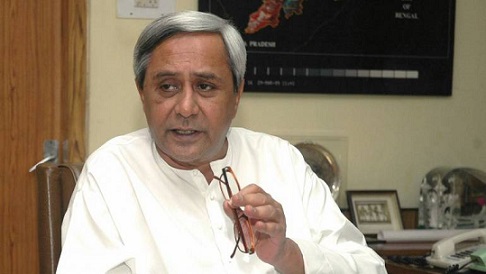
Naveen Patnaik’s Role: As party president, Patnaik remains the glue holding BJD together, emphasizing its longevity as “the voice of Odisha for the next 100 years” during the party’s foundation day in December 2025. However, his advancing age and reduced involvement have created a leadership vacuum. Sympathy for him persists among voters—some observers note that a “Naveen sans Pandian” could still command strong support if elections were held today—but the party has lost its old guard through suspensions and exits over the years.
Prospects Without Naveen Patnaik and VK Pandian :
Survival Odds: BJD could survive, but it’s unlikely to thrive in its current form without reinvention. Analysts point to a “gradual erosion of control” rather than outright collapse, driven by regional rifts and electoral pressures. Without Patnaik’s unifying presence, the party risks fracturing into factions led by ambitious “satraps” (regional strongmen), similar to other regional outfits like Shiv Sena or AIADMK post their founders. Pandian’s exit removes a lightning rod for criticism, but it doesn’t resolve the core issue: no charismatic, statewide figure to replace Patnaik. Potential successors like Pranab Prakash Das or Pratap Jena are mentioned, but none command universal loyalty.
Positive Factors: BJD retains a solid voter base rooted in Biju Patnaik’s legacy (Naveen’s father and party founder) and pro-Odisha regionalism. It could reposition as a strong opposition by aggressively challenging the BJP on state issues like federal rights or development, potentially regaining ground by 2029. Odisha’s need for a regional counterweight to national parties (BJP and Congress) might sustain it, especially if the BJP government falters.
Risks and Downside: A split seems probable if Patnaik retires or passes away without a smooth transition—predictions range from it happening soon to post-2029. The party has squandered its mass appeal by not confronting the BJP more forcefully (like ambiguous national alliances) and failing to address anti-incumbency from the Pandian era. If defections continue, BJD could shrink to a minor player, benefiting the BJP or a resurgent Congress.
In summary, BJD’s future looks dim without urgent reforms: building a democratic internal structure, clarifying succession, and sharpening its anti-BJP stance. Patnaik’s legacy provides a foundation, but without him and with Pandian already sidelined, the party must evolve or face irrelevance in Odisha’s shifting landscape.