







By Our Correspondent
NEW DELHI/BHUBANESWAR: Today (January 29, 2026), the Supreme Court of India delivered a significant interim order on the controversial University Grants Commission (Promotion of Equity in Higher Education Institutions) Regulations, 2026.
A bench comprising Chief Justice of India Surya Kant and Justice Joymalya Bagchi stayed the implementation of the 2026 regulations, putting them in abeyance. The Court described key provisions—particularly Regulation 3(c), which defines caste-based discrimination—as prima facie vague, capable of misuse, and potentially divisive. It observed concerns that the rules could undermine efforts toward a casteless society and create societal divisions, while emphasizing the need for a “free, equitable, and inclusive atmosphere” in educational institutions.
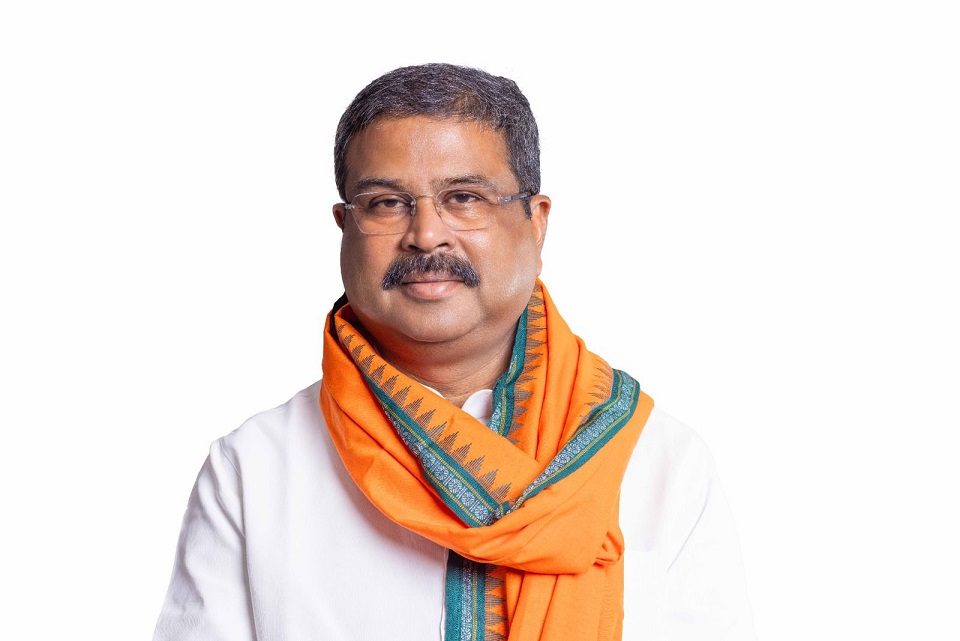
Yes, involving Union Education Minister Dharmendra Pradhan in this controversy is largely justified from a governance and accountability perspective. As the head of the Education Ministry, he is directly responsible for overseeing UGC’s actions and policies, including the approval and defense of these regulations. Ministers are often the public face of government decisions in their portfolios, and Pradhan has actively engaged by issuing statements and assurances, positioning himself as a key figure in the debate.
That said, the extent of “dragging” him in—such as personal blame or politicization—could be debated if it overlooks the UGC’s semi-autonomous role or broader government processes. However, in democratic systems, holding ministers accountable for departmental policies is standard, especially when they involve sensitive issues like caste equity. The protests targeting him reflect public expectations for ministerial oversight, but the Supreme Court’s involvement suggests the issue transcends individual blame and requires systemic review. Ultimately, whether it’s fully fair depends on one’s view of ministerial responsibility versus collective government decision-making, but based on available facts, his inclusion in the discourse aligns with his official duties.
Dharmendra Pradhan’s Role and Response: As India’s Union Minister of Education, Dharmendra Pradhan oversees the Ministry of Education, which includes the UGC as a key statutory body responsible for higher education standards and funding. The UGC operates under the ministry’s purview, meaning major policy changes like these regulations fall within his domain of accountability. On January 27, 2026, Pradhan publicly defended the rules amid the escalating row, stating: “I would like to assure everyone that no misuse of the law in the name of discrimination will be allowed. Ensuring this is the responsibility of the UGC, the Government of India, and state governments. All actions will be carried out within the ambit of the Constitution. This matter is also under the supervision of the Supreme Court, and I assure you that there will be no discrimination.” He emphasized safeguards against abuse and noted the Supreme Court’s oversight, aiming to clarify concerns and quell protests.
Understanding the UGC Regulations Controversy: The controversy revolves around the University Grants Commission (UGC)’s newly notified “Promotion of Equity in Higher Education Institutions Regulations, 2026,” which were introduced on January 13, 2026. These rules mandate that higher education institutions establish mechanisms like special committees, helplines, Equal Opportunity Centres, and ombudspersons to handle complaints of caste-based discrimination. However, the framework specifically focuses on protecting students from Scheduled Castes (SC), Scheduled Tribes (ST), and Other Backward Classes (OBC), citing a significant rise in such complaints (like., a 118.4% increase over the last five years according to UGC data). The intent is to promote equity and address documented instances of bias in campuses.
Key Points from the SC Order: The 2026 regulations are kept in abeyance (suspended) until further orders. In exercise of powers under Article 142 of the Constitution (to ensure complete justice), the Court directed that the earlier UGC (Promotion of Equity in Higher Education Institutions) Regulations, 2012 will continue to remain in force for the time being.
The Court issued notices to the Union Government and the UGC, seeking their responses.
The matter has been tagged with related pending pleas and posted for further hearing on March 19, 2026.The bench questioned whether society is “going backwards” from gains in achieving equity and asked if the rules risked segregating campuses or enabling reverse discrimination.
This ruling comes amid widespread protests, resignations by some BJP leaders, and petitions alleging the new rules were non-inclusive (focusing protections primarily on SC/ST/OBC categories while excluding general category students from similar grievance mechanisms), potentially violating constitutional principles of equality.
Implications: This is seen as a major relief for protesters and general category students who argued the rules could lead to misuse or exclusionary practices.It’s a temporary setback for the government/UGC, which must now redraft or defend the regulations.
Education Minister Dharmendra Pradhan had earlier defended the rules, assuring no misuse would be allowed, but the Court’s intervention shifts the focus to constitutional scrutiny.
Public reaction has been celebratory among critics of the regulations, with many calling it a “big win” for the general category and using hashtags like #UGC_RollBack. The final outcome will depend on the government’s response and the full hearing in March. This interim stay halts enforcement of the new framework while preserving the 2012 advisory guidelines on equity and anti-discrimination measures.