





By Our Correspondent
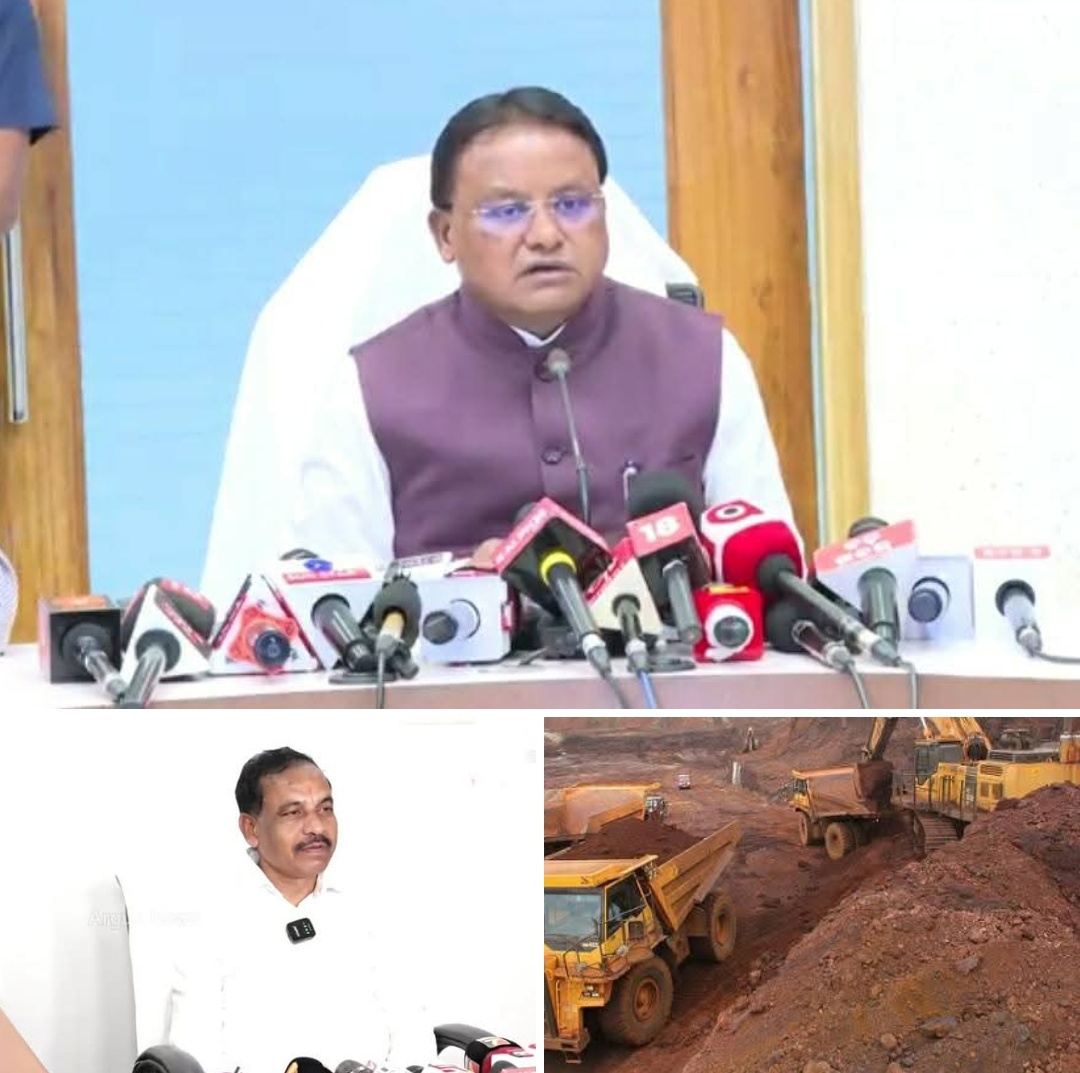
BHUBANESWAR: Approximately 16 companies signed MoUs with the Odisha Government but withdrew their projects midway without implementation, based on official statements from late 2024.
These MoUs were primarily signed between 2004 and 2010, with withdrawals occurring in the subsequent years, including within the last decade (like POSCO’s exit in 2017). The companies include major names like POSCO, ArcelorMittal, Maharashtra Seamless Limited, Sterlite Industries Limited, Angul (Bhushan) Energy Limited, JR Powergen Private Limited, Tata Power Company Limited, Aarti Steel Limited, CESC Limited, Chambal Infrastructure & Ventures Limited, Kalinga Energy & Power Limited, BGR Energy System Limited, and RSB Metaltech Private Limited.
Reasons for these withdrawals often centered on land acquisition delays, regulatory hurdles, local resistance, environmental clearances, and changing market conditions.
More broadly, state records indicate around 20 companies (including the above) have failed to fully implement MoU commitments in the steel sector alone, with additional cases of idle factories or stalled starts. Recent opposition claims from September 2025 suggest a few additional instances, such as SRAM & MRAM (semiconductor plant MoU in 2023), JSW EV, and ArcelorMittal allegedly shifting focus to other states like Andhra Pradesh or Maharashtra, though these remain unconfirmed and disputed. If accurate, this could bring the total closer to 16, but official data focuses on the earlier 13.
The impact on Odisha’s industrial growth has been largely negative. These failures have led to lost investments exceeding Rs 1.55 lakh crore, reduced tax revenues, and forgone employment for thousands.They have slowed the development of a robust steel and industrial ecosystem, created infrastructure bottlenecks, and discouraged future FDI by highlighting persistent issues like land disputes and regulatory delays.
This has put Odisha at a competitive disadvantage compared to neighboring states like Jharkhand or Chhattisgarh, stunting overall economic multiplier effects and contributing to underdevelopment in mineral-rich areas. However, recent MoU signings (e.g., over 150 in discussion as of early 2025) aim to reverse this trend by focusing on emerging sectors like renewables and petrochemicals.
There is generally no specific statutory provision or standard penalty clause in Odisha’s Industrial Policy Resolutions (such as IPR 2022 or earlier versions like 2015) that imposes automatic financial penalties, liquidated damages, or recovery mechanisms on companies that sign MoUs but later withdraw or fail to implement projects.
MoUs signed between the Odisha Government (typically through Invest Odisha or relevant departments) and private companies for large-scale industrial projects are non-binding in nature. They serve as expressions of intent, outlining proposed investment, land requirements, employment generation, and incentives/concessions under the state’s industrial policies. They do not create enforceable contractual obligations like binding agreements do. As a result:
Withdrawal or non-implementation (like cases like POSCO in 2017, ArcelorMittal, or others from the 2000s-2010s) does not trigger automatic penalties.
In high-profile exits like POSCO’s, the focus was on returning acquired land (if any), lapsing of approvals, or mutual agreements, without mention of financial penalties imposed or recovered from the company.
Policies like IPR 2022 emphasize incentives (like subsidies, tax exemptions, land allocation) for committed projects but include provisions for ineligibility or non-disbursal of incentives if units close, go out of production, or fail to meet milestones (like employment subsidies not sanctioned if the unit shuts down). These are “stick” measures tied to claimed benefits, not proactive penalties for non-starting projects.
Once land is allotted acquired and project starts, failure might invoke rehabilitation/resettlement rules or contractual clauses. In mining-related cases (separate from industrial MoUs), the state has imposed and recovered penalties (like crores from illegal over-mining via certificate cases under OPDR Act), but this does not extend to general industrial MoU withdrawals.
Consultancy, tender, or PPP contracts often have explicit penalty clauses (like, 0.5% per week for delays), but standard investment MoUs do not.
Odisha has focused on improving ease of doing business, faster clearances, and land banks to prevent delays/withdrawals rather than punitive measures. Recent policies aim to attract more investments in renewables, petrochemicals, etc., without emphasizing penalties for past failures.
In summary, while the non-implementation of MoUs has caused significant opportunity costs (lost investments, jobs, etc.), there is no dedicated penalty provision enforced against withdrawing companies in the last decade’s cases. The state relies on policy incentives to encourage commitment rather than deterrence through fines. If a specific MoU had unique binding clauses (rare for standard ones), it might differ, but public records show no such recoveries for the withdrawn projects discussed earlier.