


By Our Correspondent
BHUBANESWAR: The Bharatiya Janata Party (BJP) formed the government in Odisha in June 2024 after defeating the Biju Janata Dal (BJD) in the state assembly elections, ending Naveen Patnaik’s 24-year tenure as Chief Minister.
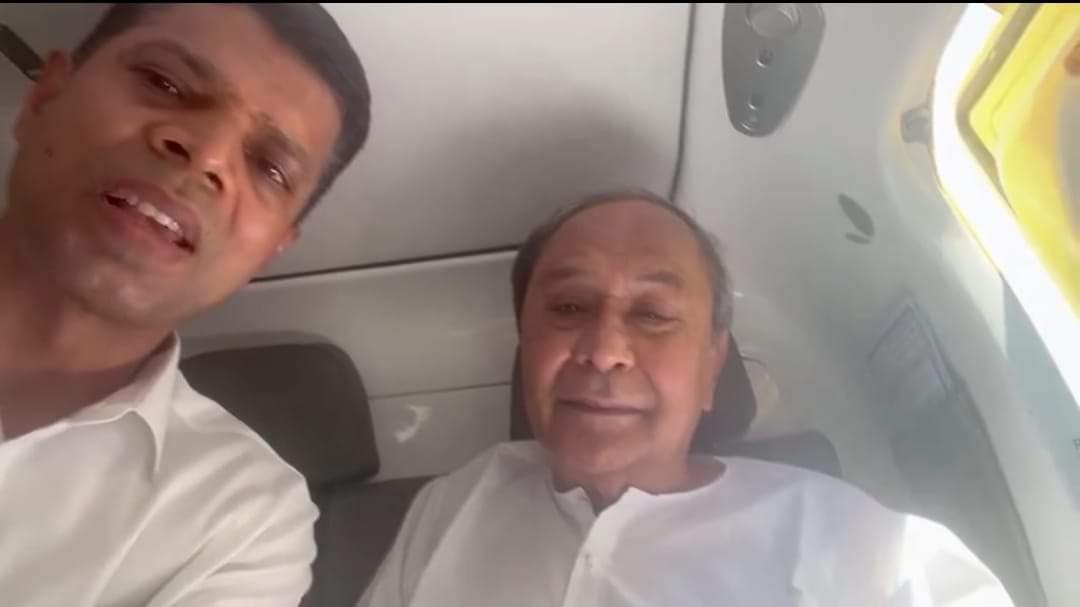
During the campaign, the BJP heavily criticized Patnaik’s administration, focusing on issues like governance lapses, Patnaik’s health, and the outsized influence of his close aide, V.K. Pandian (a former IAS officer from Tamil Nadu), whom they portrayed as an “outsider” undermining Odia pride and controlling state affairs. This narrative helped mobilize voters and contributed to the BJP’s victory.
However, since taking power, the BJP-led government under Chief Minister Mohan Charan Majhi has not pursued aggressive legal actions—such as filing criminal cases, arrests, or major corruption charges—against either Patnaik or Pandian.
Instead, activity has been limited to preliminary probes and public statements. For instance, in August 2024, the government initiated an investigation into Pandian’s alleged misuse of government helicopters and helipads during the BJD regime, with promises of “strong action” based on findings.
More recently, in November 2025, a controversy erupted over the extensive security cover (involving 72 police personnel) provided to Pandian under the previous government, prompting the BJP’s law minister to criticize it and vow a detailed probe, though no immediate steps like revoking the cover or filing cases have followed.
As for why no more decisive actions have materialized despite the campaign rhetoric, several factors appear at play based on available reporting and political analysis (noting that official explanations are scarce, and much stems from opposition critiques or media speculation):
Ongoing investigations and legal processes: Probes like the helicopter inquiry are still in progress, and building prosecutable cases requires evidence gathering, which can take months or years. The BJP has emphasized that actions will follow findings, but critics argue this is slow-walking to avoid backlash.
Political considerations and alleged tacit understanding: The Congress party has accused the BJP of “shielding” Pandian, suggesting a behind-the-scenes agreement between the BJP and BJD to avoid mutual escalation—possibly to maintain stability, given the BJD’s past support for the BJP at the national level (though relations soured post-2024). The BJD remains a significant opposition force with 51 MLAs, and aggressive moves could alienate voters or disrupt legislative cooperation.
Lack of follow-through on promises: The BJP’s 2024 manifesto pledged a full inquiry into Pandian’s alleged corruption and interference in government functions, but analyses note no commission of inquiry, forensic audit, or broader accountability measures have been established in the government’s first year. Some officers close to Pandian were sidelined or sent on central deputation, but this hasn’t extended to high-profile targets like Pandian or Patnaik himself.
Evidentiary or strategic restraint: Many campaign allegations against Patnaik (like health-related claims) and Pandian (for example undue influence) were rhetorical and not necessarily backed by concrete evidence for criminal prosecution. Patnaik, now the leader of the opposition, faces no active cases, and Pandian retired from politics in June 2024, reducing his visibility as a target. Pursuing vendetta politics could risk public perception of the BJP as vindictive rather than focused on governance, especially given Patnaik’s enduring popularity in Odisha.
Shift in priorities: The BJP government has emphasized development initiatives, such as infrastructure and welfare schemes, over revisiting past grievances. This aligns with a broader pattern in Indian politics where new regimes sometimes de-escalate campaign promises to avoid prolonged controversies.
It’s worth noting that Patnaik has countered by accusing the BJP of winning through “false narratives and lies,” without directly addressing action against him or Pandian. If new evidence emerges from ongoing probes, this could change, but as of late 2025, the situation reflects a mix of caution, politics, and procedural delays rather than outright failure or complicity.