


By Anurjay Dhal
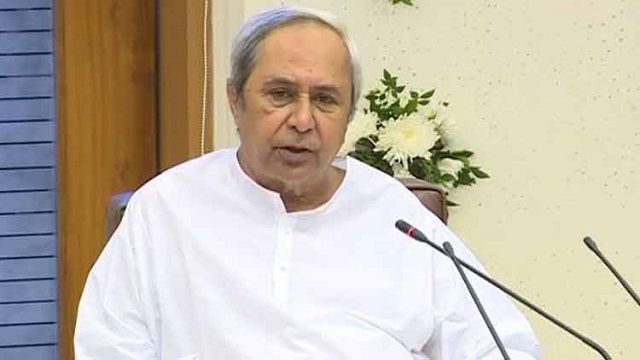
BHUBANESWAR: Will BJD Supremo Naveen Patnaik and Odisha PCC Chief Bhakta Charan Das overpower Chief Minister Mohan Charan Majhi and BJP State President Manmohan Samal in Odisha Rajya Sabha Polls?. Know factors favouring a BJD-Congress Alliance against BJP and Factors against a full-fledged Alliance.
Common Adversary: Both parties share grievances against the BJP. The BJD feels betrayed after years of support, with unaddressed demands like special status and royalty hikes. Congress, historically anti-BJP, views this as a chance to weaken the ruling party’s hold in Odisha, where communal tensions and minority issues have risen under BJP rule.
Electoral Math for Rajya Sabha: With a quota system requiring around 37-38 first-preference votes per seat (based on 147 MLAs for 3-4 seats), a BJD-Congress combine (65 votes) could secure an extra seat for an Independent, denying the BJP a clean sweep. This tactical move mirrors past opportunistic alliances in Indian politics.
Opposition Momentum: The BJD’s recent agitations and Congress’s outreach signal a pragmatic shift. National trends, like INDIA bloc collaborations, could encourage this, especially ahead of 2029 assembly polls.
Patnaik’s Legacy: At this stage, Naveen Patnaik may prioritize protecting Odisha’s interests over past loyalties, using an alliance to reassert relevance.
Factors Against a Full-Fledged Alliance:
Deep-Seated Rivalry: Decades of competition make a broad alliance unlikely. The BJD has decimated Congress in Odisha, and Patnaik’s “equidistant” stance is a core identity. A tie-up could alienate BJD’s base, which sees Congress as ineffective.
Internal Pressures: BJD’s succession crisis and organizational challenges (e.g., defections post-2024) might make Patnaik cautious about diluting control. Congress, too, is rebuilding and may not want to appear subservient.
BJP’s Dominance: The BJP’s strong assembly majority and central leverage (like funding) could deter the BJD from full confrontation, limiting cooperation to isolated events like Rajya Sabha polls.
Historical Precedents: Past flirtations with alliances (e.g., BJD-BJP talks in 2024 that fell through) show Patnaik’s preference for independence.
Political Landscape in Odisha: Post-2024 Shift: Odisha’s political dynamics have undergone a significant transformation since the 2024 assembly elections, where the Bharatiya Janata Party (BJP) ended the Biju Janata Dal’s (BJD) 24-year dominance, securing 78 seats in the 147-member assembly (Now 82 with Nuapada Bye polls win and support of 3 Independent MLAs. The BJD, led by Naveen Patnaik, was reduced to 51 seats( now 48 after loss of Nuapada Bye polls and suspension of Patkura MLA Arvinda Mohapatra and Champua MLA Sanatan Mahakud), while the Indian National Congress (Congress) managed 14.
This marked the first time since 2000 that Patnaik, a five-term chief minister, found himself in opposition. The BJP’s victory installed Mohan Charan Majhi as chief minister, shifting the state from BJD’s regionalist, welfare-focused governance to the BJP’s national agenda. Patnaik, now 79, has transitioned into an opposition role, criticizing the BJP for “stealing votes” and failing to deliver on promises like special category status for Odisha and coal royalty revisions.
This backdrop sets the stage for speculation about potential alliances. Historically, the BJD has maintained an “equidistant” policy from both the BJP and Congress, but its actions have often leaned toward tactical support for the National Democratic Alliance (NDA) on key issues in Parliament, without formal membership. The BJD severed its formal alliance with the BJP in 2009 over seat-sharing disputes and communal riots in Kandhamal, but Patnaik’s government collaborated with the central BJP-led administration on initiatives like economic reforms and infrastructure.Post-2024, however, relations have soured, with Patnaik accusing the BJP of betrayal during the elections, where Modi allegedly “stabbed him in the back” after years of implicit support.
Historical Relations: BJD, Congress, and BJP:
BJD-BJP Ties: The BJD was born in 1997 from a split in the Janata Dal, with Patnaik aligning it with the BJP-led NDA until 2009. This partnership helped the BJD consolidate power in Odisha, winning multiple elections through 2019. Even after the split, the BJD supported the NDA on crucial votes, such as the 2019 Citizenship Amendment Act and the 2020 farm laws, earning criticism from opposition parties for being a “silent ally.” In return, Odisha saw minimal central agency raids (ED, CBI) on BJD leaders, unlike other regional parties.The 2024 elections shattered this equilibrium, as the BJP campaigned aggressively against Patnaik’s age, health, and reliance on aide V.K. Pandian, portraying the BJD as out of touch.
BJD-Congress Rivalry: The BJD and Congress have been bitter rivals since the BJD’s inception, with the Congress ruling Odisha until 2000. Patnaik’s party consistently eroded Congress’s base, reducing it to a marginal player (from 80 seats in 1995 to just 9 in 2019, rebounding slightly to 14 in 2024). Ideologically, both emphasize secularism and welfare, but personal and regional animosities run deep. Congress leaders have accused Patnaik of “betraying” Odisha by aiding the BJP, while the BJD views Congress as a weakened national force irrelevant in the state.Alliances between them have been rare, limited to occasional issue-based support.
Shift Against BJP: Since losing power, the BJD has ramped up criticism of the BJP government in Odisha. Patnaik has led agitations over unfulfilled promises, including farmer issues, infrastructure delays, and the collapse of international links like flights to Dubai.The party is planning statewide protests, signaling a clear pivot to opposition politics. This includes legal battles to protect panchayati raj institutions from alleged BJP encroachments.
Recent Developments: Sparks of a Tactical BJD-Congress Understanding:
As of late January 2026, the most concrete indication of a potential BJD-Congress collaboration revolves around the upcoming Rajya Sabha elections for vacancies from Odisha. Three seats are reportedly falling vacant, with the BJP positioned to win two based on its assembly strength (82 MLAs), and the BJD one (48 MLAs). However, a fourth candidate—an Independent with “impeccable social standing,” such as a writer, poet, or freedom fighter descendant—could be elected if the BJD and Congress (14 MLAs) pool their votes.
Odisha Pradesh Congress Committee (OPCC) president Bhakta Charan Das has publicly expressed willingness to ally with the BJD for this purpose, seeking a meeting with Patnaik in early February 2026 to discuss joint support for such a candidate. The aim is explicit: to block a BJP sweep and prevent the ruling party from gaining further upper house dominance. BJP ministers have dismissed this as “opposition desperation,” but speculation is rife in political circles. This comes amid broader opposition unity efforts, such as the BJD’s abstention from the 2025 vice-presidential election, interpreted as a move to hinder Congress’s revival while indirectly challenging the BJP.
Internal BJD dynamics add layers: Succession debates are intensifying, with western Odisha leaders backing figures like Kalikesh Narayan Singh Deo as Patnaik’s potential heir. Patnaik has quashed rumors of party disintegration, asserting the BJD’s longevity. Meanwhile, Congress sees an opportunity to regain ground by positioning itself as a anti-BJP force, especially as the BJD grapples with post-defeat morale.
Likelihood and Implications: A tactical collaboration for the Rajya Sabha elections appears probable—Das’s meeting request and media buzz suggest negotiations are underway, potentially materializing by February 2026.This would mark Patnaik “joining hands” with Congress in a limited sense, explicitly against the BJP. However, a broader, sustained alliance (for example for bypolls or 2029 elections) is less likely without major triggers like further BJP missteps or national opposition unity.
If it happens, it could revitalize opposition politics in Odisha, challenging BJP’s narrative of unchallenged rule and boosting Congress’s morale. For Patnaik, it’s a double-edged sword: short-term gains in relevance but risks to his party’s autonomy. Ultimately, Odisha’s politics remains fluid, driven by Patnaik’s pragmatism and the BJP’s performance in delivering on promises. As one analyst noted, “In politics, everything is possible.”