




By Our Correspondent
BHUBANESWAR: Keonjhar district in Odisha is one of India’s richest mineral belts, particularly known for its vast iron ore reserves, which contribute significantly to the state’s economy. It accounts for a substantial portion of Odisha’s mining output, with major players , and others operating there. The district’s economy revolves around mining, related industries, and transportation, employing thousands directly and indirectly through trucking, processing, and ancillary services. However, it has long been plagued by issues like illegal mining, environmental degradation, displacement of tribal communities, and allegations of corruption under previous administrations.
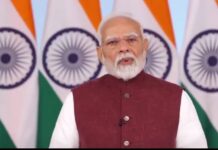
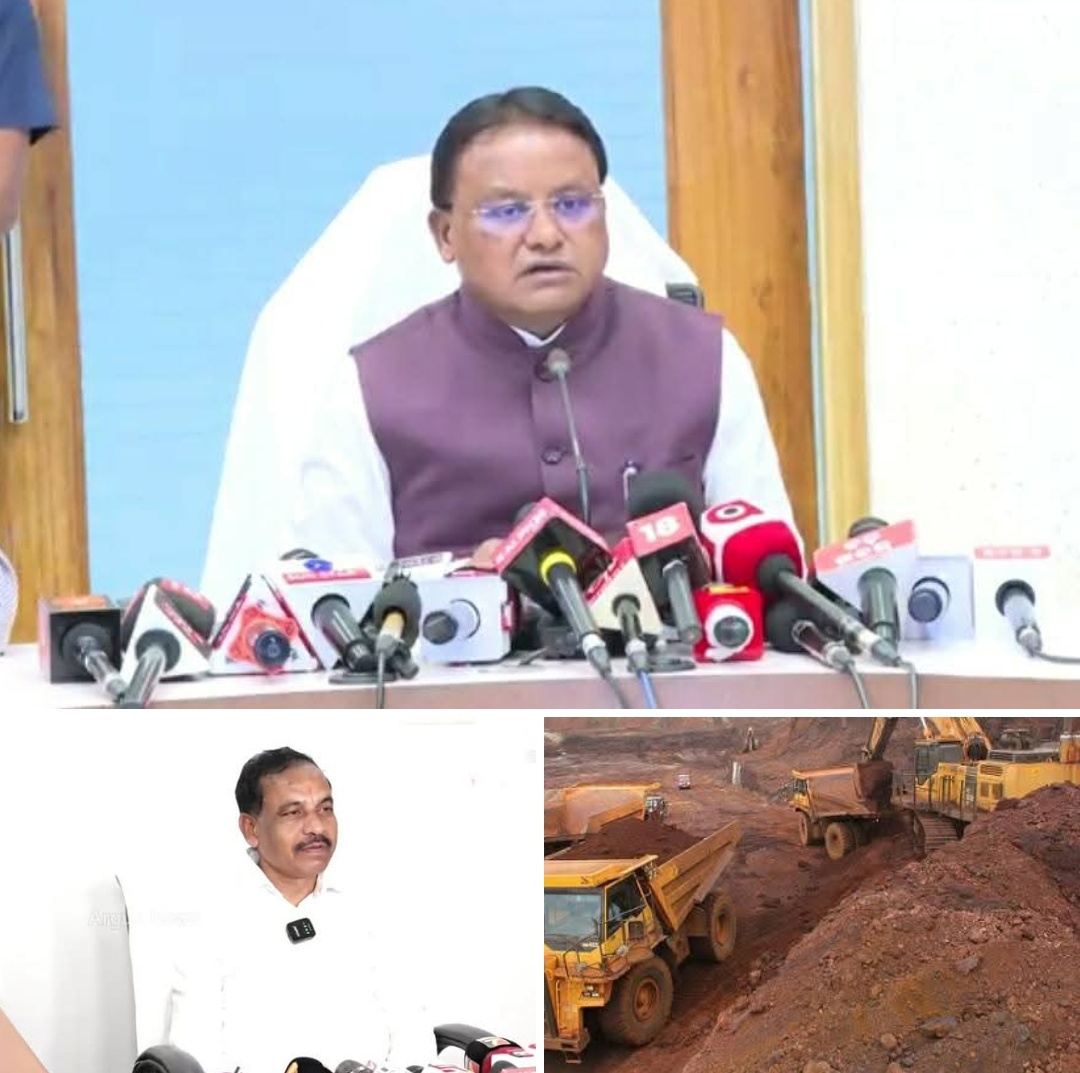
Mohan Charan Majhi, Odisha’s Chief Minister since June 2024, hails from Keonjhar’s Raikala village and has deep roots in the district as a former MLA from the Keonjhar assembly segment. His rise to CM marked a shift from the long-ruling Biju Janata Dal (BJD) to the Bharatiya Janata Party (BJP). Majhi has positioned himself as a crusader against mining irregularities, publicly vowing to crack down on “mine robbers” and recover looted resources. In one of his early speeches in Keonjhar, he warned that those who plundered the district’s minerals would face imprisonment, directly targeting alleged mafia networks. This stance stems from his pre-CM days, where he claimed to have been offered bribes, including a ministerial post and mining leases, to halt his fight against the mining mafia.
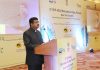
Since assuming office, Majhi has made frequent visits to Keonjhar—reportedly more than a dozen in the first 18 months—often for public grievance redressal programs, development reviews, and community engagements. These include mega roadshows, direct interactions with locals, and oversight of welfare schemes.While these visits underscore his commitment to his home turf, they have sparked a polarized public debate, balancing perceptions of accessibility against accusations of disruption.
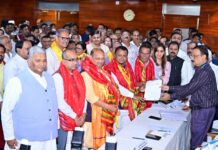
The Public Debate Surrounding the Visits: The debate largely centers on the frequency and purpose of these trips. Supporters view them as a positive sign of grassroots governance. Majhi’s grievance hearings, where he personally meets citizens—sometimes going “the extra mile” by extending sessions or visiting remote areas—have been praised for addressing long-ignored issues like land rights, healthcare, and tribal welfare.In a recent event, he conducted the 16th round of such programs in Keonjhar, emphasizing direct public interaction. Proponents argue this boosts morale in a district historically marginalized despite its mineral wealth, aligning with Majhi’s narrative of restoring “Ashmita” (pride) to Keonjhar by tackling exploitation.
Critics, however, label the visits as excessive and politically motivated, potentially prioritizing symbolism over statewide duties. Opposition voices from the BJD have called his remarks on past mining scams “unfortunate,” accusing him of politicizing issues without evidence. Public discourse on social media highlights frustrations, with some users pointing to “double betrayal” in Keonjhar, where promises of development clash with ongoing challenges like farmer protests and environmental concerns. Farmers in the district have staged demonstrations against the CM, citing unaddressed agricultural issues amid mining dominance. Broader discussions tie this to Odisha’s declining mineral revenues—down from Rs 50,000 crore to Rs 40,000 crore for major minerals—attributed partly to illegal operations and governance lapses.
The debate intensifies around the practical fallout: security protocols during visits often lead to temporary road blockades, halting normal activities. This has drawn ire from local stakeholders, framing the visits as a hindrance rather than help.
Impact on Mining and Industry Due to Road Blockades: The core economic impact stems from road blockades enforced during Majhi’s visits for security reasons. Keonjhar’s mining operations rely heavily on road transport for moving iron ore and other minerals to processing units, ports, and steel plants. Trucks form the backbone of this logistics chain, with thousands operating daily.
Direct Disruptions and Economic Losses: Reports indicate that mineral transportation is frequently suspended for 2-3 days per visit. For instance, during an October 2024 visit, trucking from various mines was halted from October 12 to 14, affecting hundreds of vehicles. The Keonjhar Truck Owners Association has voiced strong concerns, estimating daily losses in crores due to idle trucks, delayed deliveries, and supply chain bottlenecks. This cascades to miners facing production halts, as stockpiles build up without evacuation, potentially violating lease agreements that mandate continuous operations.
Broader Industrial Ripple Effects: Odisha’s steel and allied industries, concentrated in areas like Kalinga Nagar, depend on Keonjhar’s ore. Blockades cause delays in raw material supply, increasing costs through demurrage charges and forcing reliance on costlier alternatives like rail (which is limited in capacity). Small-scale industries, including crushers and processors, suffer most, with workers losing wages during shutdowns. In a district where mining contributes over 70% to GDP, repeated disruptions erode investor confidence, potentially deterring expansions or new investments.
Link to Mining Reforms and Illegal Activities: Paradoxically, Majhi’s visits aim to curb mining irregularities, yet the blockades exacerbate short-term pains. His anti-mafia rhetoric has led to increased scrutiny, with actions like targeting illegal quarries elsewhere in Odisha (in Dhenkanal incidents where blasts caused fatalities amid revenue drops). In Keonjhar, this could mean stricter enforcement, reducing illegal mining but temporarily slowing legal operations during audits or protests. Environmental and tribal rights groups highlight how blockades compound existing issues, like polluted streams and displaced communities, as seen in protests against bauxite mining in nearby areas. However, if Majhi’s efforts succeed in cleaning up the sector—recovering fines from past scams (for example Shah Commission directives)—long-term benefits could include higher revenues and sustainable practices.
Comparative Context: Similar disruptions occur in other mining-heavy states. For example, in Andhra Pradesh, policy hikes and mafia activities have halted thousands of units, eroding livelihoods. In Odisha, the blockades mirror this, but with a political twist: while Majhi’s visits signal reform, they risk alienating the very industry he seeks to protect.
Overall Analysis and Potential Outcomes: Majhi’s frequent Keonjhar visits reflect a blend of personal affinity, political strategy, and governance intent, but they have undeniably fueled debate by highlighting governance trade-offs. Positively, they foster accountability and could lead to reforms addressing Keonjhar’s “looted” legacy, potentially boosting revenues and equity. Negatively, the road blockades impose immediate economic strain on mining and industry, with losses amplifying in a post-pandemic recovery phase.
If unchecked, this could widen discontent, as seen in farmer and labor protests. To mitigate, alternatives like virtual grievances or consolidated visits might help. Long-term, successful anti-mafia drives could stabilize the sector, but failure risks portraying the CM as disruptive rather than decisive. As of early 2026, the debate underscores Odisha’s challenge: balancing leadership visibility with economic continuity in mineral-dependent regions.