



By Our Correspondent
BHUBANESWAR: Nitin Nabin, a 45-year-old Bihar BJP leader and five-term MLA, was appointed as the national working president of the Bharatiya Janata Party (BJP) on December 14, 2025.
Nabin’s appointment as could subtly alter the political dynamics in Odisha BJP by introducing greater central oversight and alignment with national priorities. As working president, Nabin is tasked with forming a new team that reflects “inclusive” Sangh Parivar values, involving reviews of state units and potential new appointments to enhance coordination between the party organization and governments.
This rejig, expected between mid-January and February 2026, may extend to states like Odisha, where the BJP is consolidating power after a recent win. Discussions could focus on streamlining operations, accommodating senior leaders in central roles, and addressing any perceived gaps in performance or ideological alignment.
Potential Impact on Odisha BJP President Manmohan Samal :
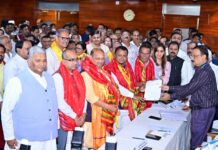
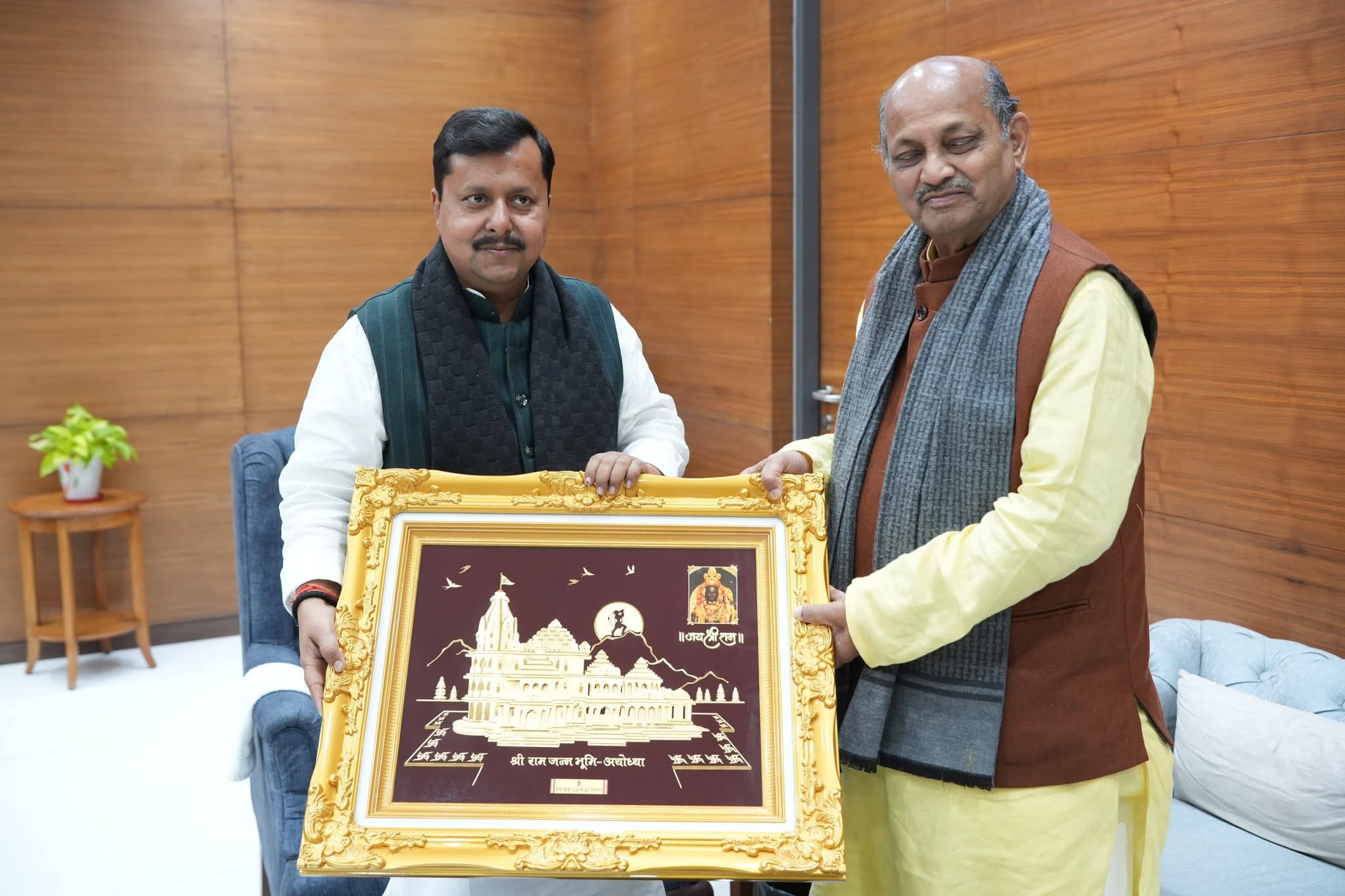
Stability with Scrutiny: Samal’s reappointment was seen as a reward for leading the BJP to power in Odisha, but Nabin’s emphasis on youth, merit, and grassroots strengthening might prompt a review of state presidents. If the national leadership perceives a need for fresher faces or better integration with RSS affiliates, Samal (a veteran in his 60s) could face calls for transition. However, his recent meeting with Nabin at the BJP headquarters in Delhi on January 7, 2026, suggests ongoing dialogue and no immediate friction.
Positive Angle: The shift could empower Samal if Odisha is prioritized in Nabin’s eastern India focus (including Bihar, Uttar Pradesh, Bengal, Jharkhand, and Odisha), potentially bringing more resources for party building. Samal’s track record in expanding the BJP’s footprint from opposition to ruling party might shield him from major changes in the short term.
Potential Impact on Odisha CM Mohan Charan Majhi:
Governance Review: As part of the broader rejig, Nabin’s team may evaluate BJP-led state governments, including Odisha’s, for alignment with Modi government’s policies on development, welfare, and Hindutva.Majhi’s administration, now over 18 months old, has faced criticism for issues like rising debt and delays in job recruitments, but it has also advanced initiatives like tribal welfare and anti-corruption measures. A central review could lead to advisory inputs or minor cabinet tweaks to boost efficiency, but Majhi’s selection as CM was a deliberate choice for social engineering (as the first tribal CM), making a leadership change unlikely unless performance dips significantly.
Strengthened Ties: Majhi’s prompt congratulations to Nabin upon his appointment indicate a cooperative stance. With Nabin’s Bihar roots and focus on eastern states, Odisha could benefit from enhanced central support for projects like infrastructure or disaster management, reinforcing Majhi’s position if he delivers on key promises.
Overall, the equation in Odisha BJP is likely to remain stable in the immediate term, with Majhi and Samal continuing as key figures under heightened central guidance. The appointment underscores a push for generational and organizational renewal, but Odisha’s recent success positions it more as a model than a target for overhaul.
Any changes would aim at long-term consolidation rather than disruption, especially with no assembly elections imminent and the party’s focus on sustaining anti-BJD momentum. If tensions arise, they might stem from balancing local autonomy with national directives, but current indicators point to continuity and collaboration.
Nitin Nabin, posting seen as in a move signalling a generational shift and strategic focus on eastern states ahead of upcoming elections. This position positions him as a likely successor to JP Nadda as full party president by mid-January 2026, with responsibilities including overseeing organizational restructuring and reviewing the performance of BJP-led state governments.
In Odisha, where the BJP formed its first government in June 2024 after ending the 24-year rule of the Biju Janata Dal (BJD), the current leadership includes Chief Minister Mohan Charan Majhi (a tribal leader from the Santal community, emphasizing the party’s outreach to Scheduled Tribes) and state unit president Manmohan Samal (reappointed in July 2025 following the party’s electoral success).
The duo has been credited with the BJP’s strong performance in the 2024 assembly elections, with Majhi focusing on governance reforms like anti-corruption drives and infrastructure development, while Samal handles organizational matters. Their equation appears collaborative, with Majhi publicly praising Samal’s role in the party’s victory and positioning them as a “formidable force” for Odisha’s development.