



By Our Correspondent
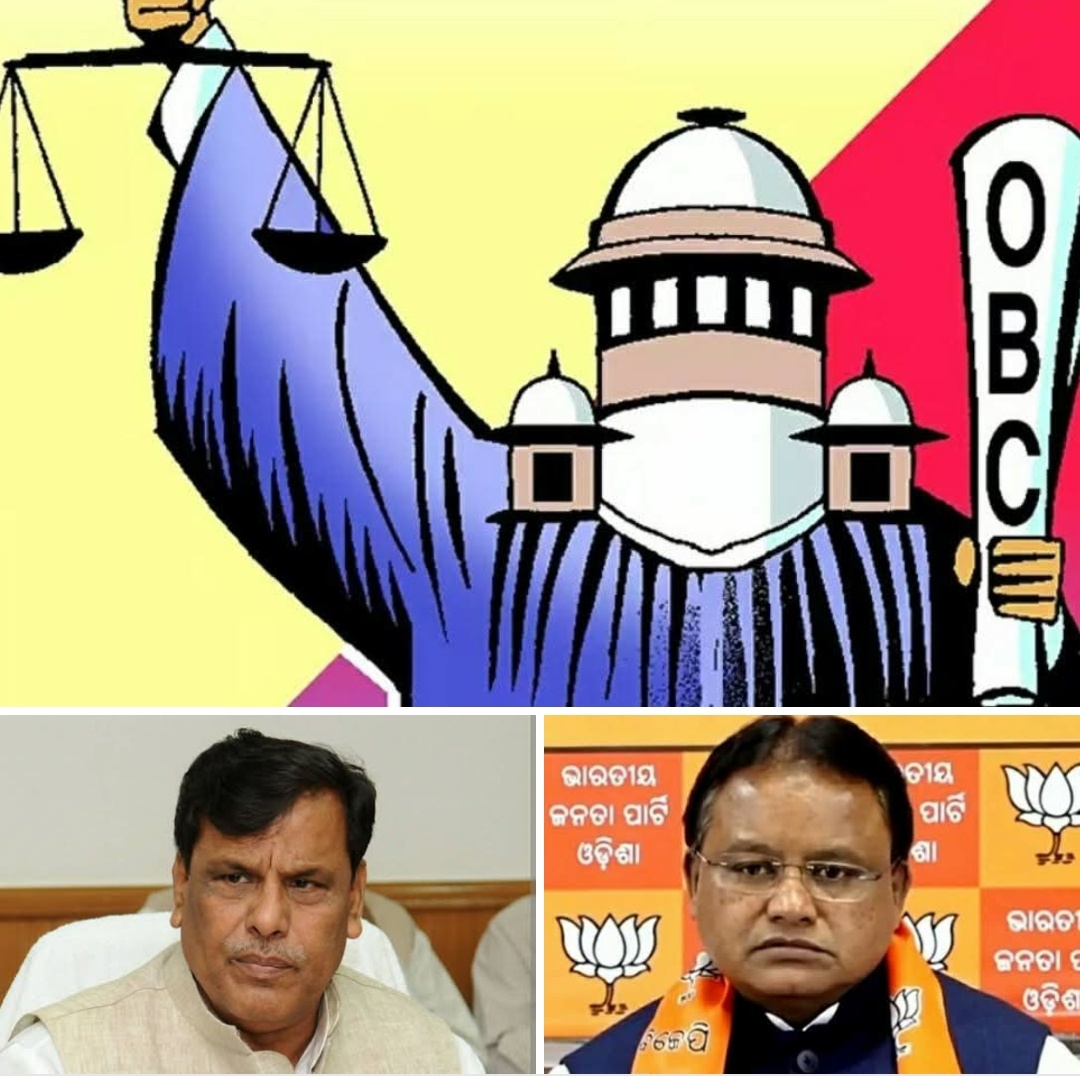
BHUBANESWAR: Srikant Kumar Jena, a senior Congress leader and former Union Minister and four-time MP from Odisha, has written a formal letter to Chief Minister Mohan Charan Majhi urging the introduction of reservations for SEBC/OBC communities in local body elections. The letter is concise, polite yet firm, and strategically timed.
Demographic Weight: SEBC/OBC communities constitute 54% of Odisha’s population (a figure Jena has consistently used since at least May 2025 when he criticised the government’s education quota). This is higher than the official 2023 Odisha Backward Classes Commission survey figure of 39.31%, which many opposition leaders and experts have called an undercount due to its voluntary nature.
Comparative Lag: While SC/ST reservations already exist (proportional to their ~40% combined population per 2011 Census: SC 17.13%, ST 22.85%), Odisha has no OBC reservation in panchayats or urban local bodies. Many other states have already extended such quotas to ensure “broader and more inclusive political representation.”
Urgency for Forthcoming Elections:The government notified 24 new Notified Area Councils (NACs) and municipalities on 31 December 2025. Elections to these bodies must be held by end-June 2026 (within six months of notification). Jena wants the Assembly to pass the required Bill/amendments during the ongoing Budget Session (which began on 17 February 2026 — the very day the letter was written) so that reservations can apply to these polls and the next full cycle of local body elections.
He frames the demand as essential for “social justice” and “grassroots democracy,” ending with a courteous appeal for “urgency and fairness.”
Political Context and Timing
Sender’s Profile: Jena rejoined Congress in 2024 after a brief non-political phase and contested Balasore in the 2024 Lok Sabha polls. He has repeatedly positioned himself as a strong voice for backward classes, calling the BJP government’s earlier 11.25% OBC quota in education/jobs a “cruel joke” and “betrayal” of the 54% population.
Recipient’s Government: The BJP-led NDA government (in power since June 2024) has taken incremental steps on OBC issues but faces constant opposition criticism for not delivering the full 27% quota seen in central jobs or in states like Gujarat.
Perfect Storm: The letter lands on Day 1–2 of the Budget Session, amid reported uproar and walkouts by opposition parties (Congress + BJD). It directly links a popular social-justice issue to an immediate administrative deadline (June 2026 NAC polls), making it hard for the government to ignore without political cost.
Legal Realities and Challenges: Jena wisely uses the phrase “clear and legally sustainable framework”, acknowledging Supreme Court jurisprudence:
The triple test (K. Krishnamurthy 2010 + Vikas Kishanrao Gawali 2021) requires:
Quantifiable data on backwardness (via a dedicated commission). Data showing inadequate representation in local bodies. Total reservation (SC + ST + OBC) must not exceed 50%.
Odisha’s SC + ST reservation already occupies ~40% of seats. Any OBC quota would therefore be limited (likely 8–10% at best) unless the government reworks the entire roster — a legally and politically tricky exercise.
In 2021, the Orissa High Court struck down OBC quotas in panchayat elections precisely for failing the triple test. A fresh, court-proof exercise (new commission report + data) is essential.
The letter therefore puts the onus on the government to complete the legislative and data work quickly.
Strategic Significance:
For Congress: Reinforces its image as the pro-backward-classes party in Odisha, especially ahead of the June 2026 urban polls and the likely 2027 panchayat elections. It keeps the “BJP is anti-OBC” narrative alive.
For the BJP Government: Creates immediate pressure. Ignoring it risks alienating a large vote bank; rushing a flawed Bill risks another court stay. The government may respond by referring the matter to the Backward Classes Commission or announcing a partial measure during the session.
Broader Impact: This is part of the national post-Bihar-caste-survey momentum. It keeps the demand for OBC political reservation (beyond jobs/education) in the spotlight.
The letter is a sharp, well-crafted political intervention — short, factual, legally cautious, and electorally potent. It does not indulge in rhetoric but uses the government’s own timeline (new NACs + ongoing Assembly session) against it. Whether it forces immediate legislation remains to be seen, but it has already succeeded in putting OBC reservation in local bodies firmly on the February–March 2026 political agenda in Odisha. In essence, Jena has turned an administrative deadline into a social-justice test for the Majhi government.