





By Our Correspondent
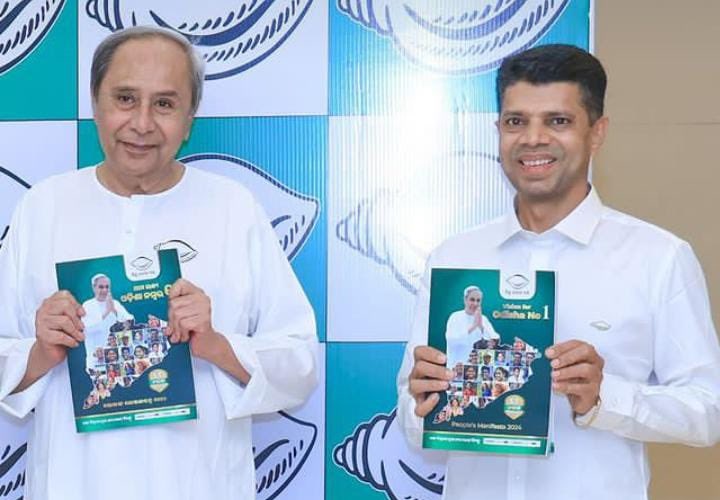
BHUBANESWAR: The internal conflicts within the Biju Janata Dal (BJD) in Odisha, particularly surrounding former Chief Minister Naveen Patnaik and his close aide V.K. Pandian, point more toward a gradual erosion of control rather than a position of strength. While Patnaik continues to publicly defend Pandian and assert the party’s longevity, the ongoing dissent, leadership challenges, and public criticisms reflect deepening fractures that could undermine their grip on the party. Below, we ‘ll break this down based on recent developments from 2025 onward.
Key Indicators of Internal Fighting
Dissent Over Leadership and Succession: Multiple reports highlight frustration among senior BJD leaders over Patnaik’s heavy reliance on Pandian, a former bureaucrat of Tamil origin who joined the party in 2023 and quickly rose to prominence. This has fuelled perceptions of a “bureaucratic shift” away from grassroots politicians, leading to open revolts. For instance, after a by-election loss in late 2025, party veterans expressed disconnect from the leadership, questioning Pandian’s influence on decisions. Similarly, divisions among BJD MPs have surfaced, with debates over whether Patnaik or Pandian is truly steering the party.
Public Backlash and Party Warnings: Patnaik has repeatedly backed Pandian amid controversies, such as the Waqf Bill row in April 2025, where he warned party leaders against holding “large internal meetings” that could exacerbate rifts. This move was seen as an attempt to suppress dissent but instead highlighted underlying tensions. In August 2025, during Patnaik’s hospitalization, Pandian issued cryptic warnings to critics within the party, further shaking internal dynamics. Suspended BJD leader Shreemayee Mishra has openly targeted both Patnaik and Pandian, hinting at succession battles and accusing them of sidelining others.These episodes suggest efforts to maintain control are reactive and strained.
Regional Rifts and Electoral Setbacks: Internal conflicts have spilled into districts like Jajpur, where rifts surfaced in early 2026 over leadership choices.206b28 The Nuapada by-election in October 2025 was viewed as a litmus test, with Pandian’s role under scrutiny amid predictions of a close BJP win. Broader analyses warn that without “quick balancing,” the BJD risks a steady collapse, as disgruntled leaders demand pragmatic handling instead of rigid loyalty to Pandian.
Public and Social Media Sentiment: Critics blame Pandian for BJD’s 2024 election losses, labeling him a “proxy CM” and pointing to extravagant spending (like Rs 300 crore on campaigns without Patnaik’s direct involvement).Some posts depict hate campaigns against him due to his non-Odia origins. Defenders credit Pandian and Patnaik for infrastructure like Bhubaneswar’s bus station or disaster management systems. However, even supportive voices acknowledge the “sudden backlash” as opportunistic, reflecting instability. RTI exposures of mysterious foreign trips by Patnaik under Pandian’s supervision have added fuel to conspiracy theories.
Signs of Strength vs. Weakening Grip:
Going Strong? Patnaik’s defenses of Pandian and claims that BJD will remain Odisha’s voice for “the next 100 years” show resilience. Some internal strategies, like power shifts in districts such as Jajpur, could potentially revitalize the party if successful. Pro-Pandian elements within BJD, including figures like Pravat Biswal, continue to hail him and his wife Sujata R. Karthikeyan.
Losing Control? The preponderance of evidence leans this way. The 2025 crisis has been framed as a survival question for Patnaik amid revolts, with the party shying from confronting rivals like BJP. Scandals like the alleged “5T scam” (CAG irregularities in transformation initiatives) have drawn activist scrutiny, indirectly tying back to Pandian’s oversight.Comparisons to other leaders like BJP’s alleged control over Nitish Kumar underscore perceptions of Patnaik as weakened or manipulated.
In summary, while Patnaik and Pandian retain core loyalty and are pushing back, the persistent revolts, electoral pressures, and public divisions substantiate a narrative of diminishing authority. This isn’t a total collapse yet—Patnaik’s legacy as a five-term CM provides ballast—but without addressing grassroots grievances, the trend favors further erosion.