



By Our Correspondent
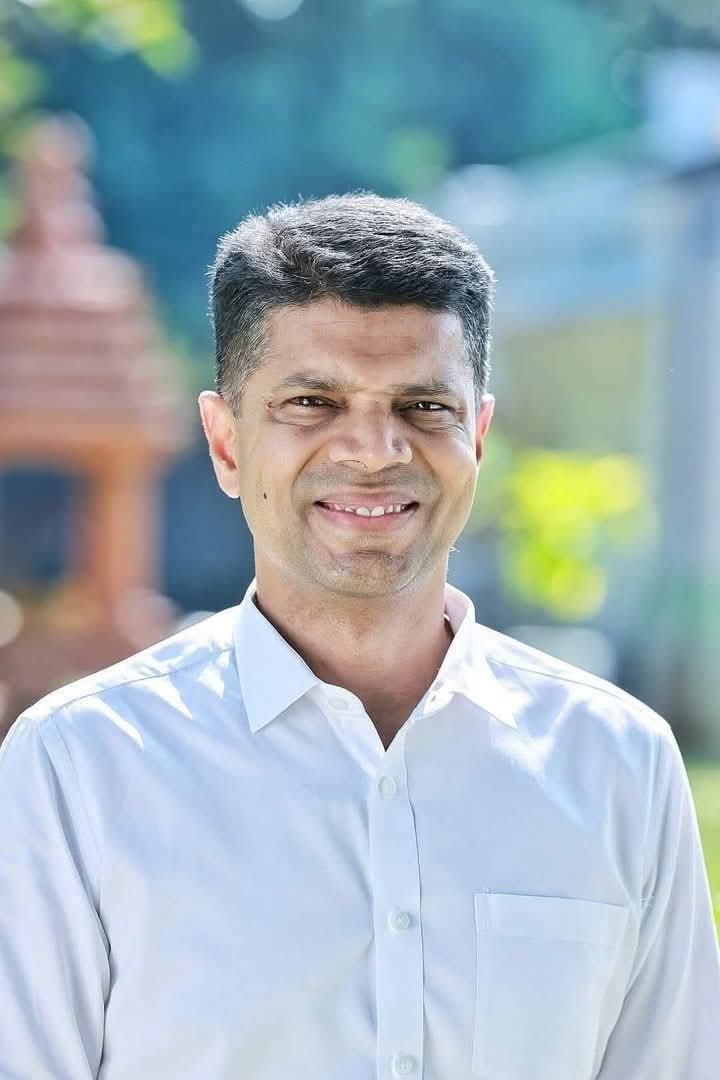
BHUBANESWAR: The 2024 Odisha Assembly elections saw the BJP secure a decisive victory, ending the Biju Janata Dal’s (BJD) 24-year rule under Naveen Patnaik. A key campaign narrative from the BJP, including Prime Minister Narendra Modi, portrayed VK Pandian—a former IAS officer from Tamil Nadu and Patnaik’s close aide—as an “outsider” exerting undue influence over state affairs, including allegations of mismanaging resources like the Puri Jagannath Temple treasury.
This framing resonated with voters, contributing to the BJD’s defeat, after which Pandian announced his retirement from active politics on June 9, 2024. Mohan Charan Majhi was sworn in as Chief Minister on June 12, 2024, marking the start of BJP’s governance.
As of January 2026—roughly 19 months into the Majhi administration—no major legal or disciplinary actions have been publicly initiated directly against Pandian himself, despite ongoing political rhetoric from the BJP criticizing his past role. However, some indirect steps have been taken that touch on his tenure:
In August 2024, the government launched a probe into Pandian’s “indiscriminate” use of government helicopters during the BJD era, focusing on potential misuse of public funds.
Security barricades and police outposts around Pandian’s residence in Bhubaneswar were removed shortly after the election, signaling a withdrawal of privileges extended under the previous regime.
Actions were initiated against two IPS officers DS Kutey and Ashish Singh accused of “working” for the BJD, following Election Commission directives, which some view as targeting Pandian-aligned bureaucrats.
Former Odisha Chief Secretary Bijay Kumar Patnaik publicly alleged that able officers were sidelined or harassed under Pandian’s influence, adding to calls for accountability.
Despite these, broader investigations or charges against Pandian (like for corruption or interference) appear stalled or absent. Possible reasons, drawn from various political analyses, media reports, and public discourse, include:
Lack of Concrete Evidence for Prosecution: While allegations of favoritism, harassment of officials, and resource misuse abound, substantive proof meeting legal thresholds may be insufficient. Some questions whether the Majhi government is “protecting” accused BJD figures like Pandian in a land scam, but no formal charges have materialized, suggesting evidentiary gaps or ongoing probes without public updates. Opposition BJD leaders, including Patnaik, have countered by accusing the BJP of failing to act on promises while distracting with old grievances.
Political Priorities and Governance Focus: The Majhi administration has emphasized development initiatives, such as grievance redressal (resolving 88% of complaints in sessions as of August 2025) and attracting investments, amid challenges like law-and-order issues, party infighting, and economic pressures. Pursuing high-profile vendettas could divert resources or alienate moderate voters, especially since Pandian has stepped back from politics and is no longer an active threat. Some echo voter frustration over this perceived inaction, with some Odisha people tagging Majhi and BJP leaders to demand accountability.
Internal BJP Dynamics and Broader Strategy: Reports highlight rifts within the Odisha BJP and a “reality check” for Majhi after an initial strong year, including backlash over handling crises. Nationally, the BJP may prioritize stability in a new state government over aggressive probes that could invite counter-allegations—such as BJD complaints against Majhi for “racial” remarks about Pandian in late 2025. Some speculative content even alleges scams linking Majhi and Pandian, though these lack verification and seem partisan.
Legal and Bureaucratic Hurdles: Initiating action against a retired IAS officer requires coordination with central agencies like the CBI , ED or Vigilance, which can be slow. Posts from former officials suggest a “corrupt ecosystem” protecting influential figures, implying systemic delays.The BJD has also defended Pandian, framing criticisms as biased or unfounded.
In summary, while the BJP’s win was partly fuelled by anti-Pandian sentiment, the Majhi government’s approach appears cautious, focusing on governance over immediate retribution. This has drawn criticism from supporters expecting swift justice. If new developments emerge, such as from ongoing probes, action could still follow—politics in Odisha remains fluid, with both sides trading barbs in assemblies and public forums.