







By Our Correspondent
BHUBANESWAR: The Odisha government under Chief Minister Mohan Charan Majhi has shown strong commitment to establishing the JSW-POSCO joint venture steel plant in Keonjhar district, with recent developments indicating progress despite emerging local opposition.
The project, announced in August 2025 as a 5-6 MTPA greenfield facility with an initial investment of around ₹40,000 crore, aims to create thousands of jobs and position Keonjhar as the state’s third steel hub after Rourkela and Kalinganagar.
Land acquisition for approximately 2,500 acres in Patna tehsil began in September 2025, and by early December 2025, the project received formal land approval from the state. Proposals and site preparations were reported as advancing steadily as of late November 2025.
Local protests have surfaced, primarily over concerns about land displacement and environmental impacts, echoing historical resistance in the region—such as the shelving of ArcelorMittal’s planned 12 MTPA plant in Keonjhar due to similar issues.
Demonstrations began in April 2025 shortly after the initial MoU and intensified in December 2025 as land acquisition ramped up, including reports of villagers opposing the process.
Some incidents involved clashes with authorities, such as stone-pelting and blockades, though these appear localized and not yet at the scale of the decade-long anti-POSCO movement in Jagatsinghpur that derailed the company’s previous Odisha venture.
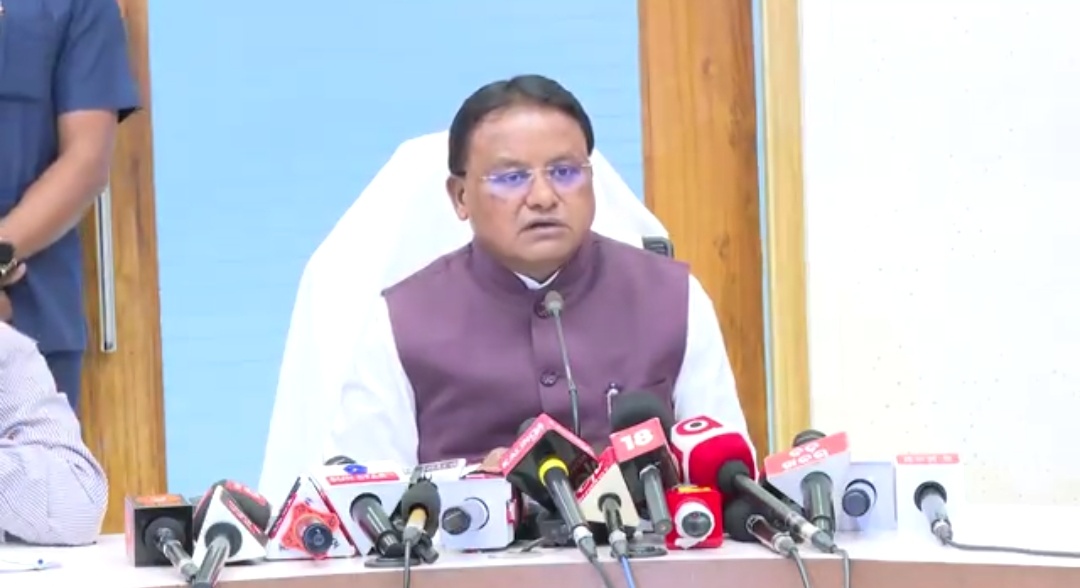
CM Majhi, a native of Keonjhar who vowed during his campaign to bring a mega steel plant to the district, has prioritized the initiative as part of broader economic transformation efforts, including over ₹1.2 lakh crore in projects for the area.
The BJP-led government’s proactive stance, combined with JSW’s track record in navigating Indian industrial projects and POSCO’s renewed interest after a 20-year hiatus, suggests a higher likelihood of overcoming hurdles compared to past failures.
However, sustained protests could delay timelines if they escalate into legal battles or broader political opposition, as seen historically in Odisha’s mining-rich zones.
Overall, the project’s momentum as of late 2025—backed by approvals, investments, and political will—points toward eventual success, provided the government addresses local grievances through effective rehabilitation and resettlement policies. If protests gain traction from external groups or lead to judicial interventions, it could mirror previous setbacks and prolong or jeopardize the initiative.