


By Our Correspondent
BHUBANESWAR: The 2026 Rajya Sabha elections in Odisha involve four seats becoming vacant on April 2, 2026, following the end of terms for sitting MPs: Niranjan Bishi and Muzibulla Khan (BJD), and Mamata Mohanta and Sujeet Kumar (BJP). Odisha has 10 Rajya Sabha seats in total, and these biennial polls are conducted via indirect voting by the 147 members of the Odisha Legislative Assembly using the Single Transferable Vote (STV) system. The quota required to win each seat is 30 first-preference votes (calculated as floor(147 / (4 seats + 1)) + 1 = 30).
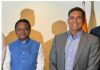
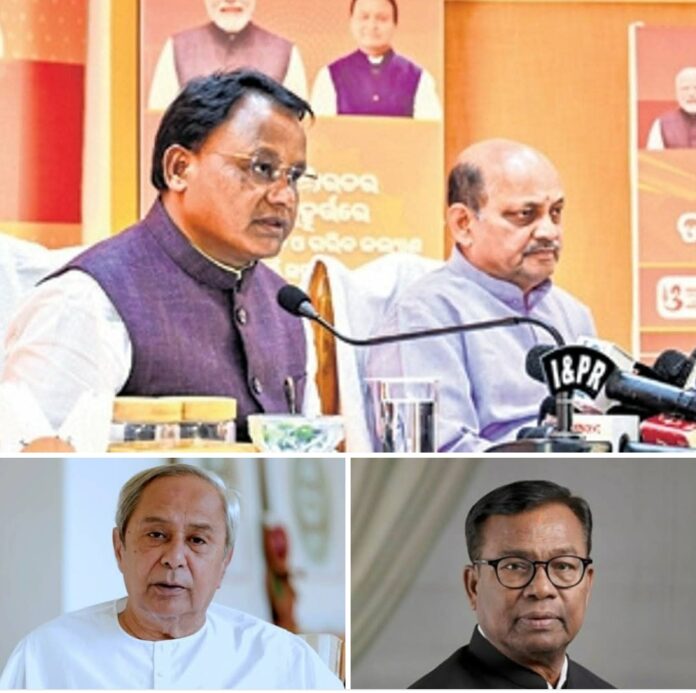
The elections have turned competitive, particularly for what is being referred to as the “fourth seat”—the one beyond the straightforward wins based on party strengths. The Bharatiya Janata Party (BJP), which holds a majority in the assembly, is aiming for three seats, while the opposition Biju Janata Dal (BJD) is pushing for two. The contest for this marginal fourth seat has narrowed to a head-to-head between two independent candidates: former Union Minister Dilip Ray (backed by the BJP) and Dr Datteswar Hota (a urologist backed by the BJD, Congress, and CPI(M)). Nominations closed on March 5, 2026, and voting is scheduled for March 16, 2026, making this a high-stakes battle reliant on potential cross-voting.
Party Strengths in the Odisha Assembly
The current composition of the 147-seat Odisha Legislative Assembly (as of March 2026) is as follows, based on the 2024 election results and subsequent changes:
BJP: 79 MLAs (majority party, forming the government under Chief Minister Mohan Charan Majhi).
BJD: 50 MLAs originally, but effectively commands 48 after suspending two MLAs (Arvind Mohapatra from Patkura and Santan Mahakud from Champua) on charges of anti-party activities. These suspended MLAs are free agents and have reportedly pledged support to Dilip Ray.
Congress: 14 MLAs.
CPI(M): 1 MLA.
Independents: 3 MLAs, all of whom align with the BJP on key votes.
This distribution gives the BJP a strong position to secure two seats outright, with surplus votes to support a third candidate. The BJD can secure one seat comfortably but needs alliances for a second. No party has enough for a clean sweep of four, leading to the intense focus on the fourth seat.
Candidates and Their Backings
Dilip Ray: A veteran politician and former Union Minister (under Atal Bihari Vajpayee and Narendra Modi governments), Ray is contesting as an independent but with full BJP backing. He has a long history in Odisha politics, having served as an MLA from Rourkela multiple times and as a key BJP figure before a brief fallout. Ray’s entry has energized the contest, as he is leveraging his personal networks across parties. The BJP has fielded two official candidates—state president Manmohan Samal and sitting MP Sujeet Kumar—for the first two seats, channeling surplus votes to Ray.
Dr Datteswar Hota: A prominent urologist and newcomer to electoral politics, Hota is also running as an independent but as the common candidate of the BJD-Congress-CPI(M) alliance. The BJD has fielded Dr Santrupt Misra (a former corporate executive) as its official nominee for one seat, using surplus votes to back Hota. This unusual opposition alliance was forged quickly after the BJD announced two candidates despite having numbers for only one, with Congress extending support to block the BJP from gaining a third seat. Other nominations include the BJP’s two and the BJD’s one, but the spotlight is on Ray vs. Hota for the contested seat.
Vote Arithmetic: Who Has the Edge on Paper? Under the STV system, votes are allocated strategically:
BJP’s Allocation: With 79 MLAs, the BJP assigns 30 first-preference votes each to its two official candidates (total 60 votes). This leaves a surplus of 19 votes. Adding support from the 3 Independents brings it to 22. The 2 suspended BJD MLAs have pledged their votes to Ray, pushing his total to 24 first-preference votes.
Opposition Alliance’s Allocation: The BJD, with 48 loyal MLAs, assigns 30 votes to Dr Santrupt Misra. This leaves 18 surplus votes for Hota. Congress’s 14 MLAs and the CPI(M)’s 1 MLA add 15 more, giving Hota a total of 33 first-preference votes.
Key Insight: Hota starts with 33 votes—exceeding the 30-vote quota—while Ray has only 24, falling short by 6. On pure numbers, Hota is poised to win. However, this assumes no cross-voting or abstentions. The assembly’s total votes (147) mean that surpluses and second-preference votes could play a role if neither reaches 30 outright, but the gap suggests Hota’s lead is solid without disruptions.
Factors Influencing the Outcome
Cross-Voting Potential: This is the wildcard. Ray, with his decades of experience, has been actively lobbying across party lines. He began his campaign by visiting veteran BJD leader Bijoy Mohapatra and is seeking support from dissatisfied elements in Congress and BJD. Rumors of “horse-trading” (incentives for MLAs to switch votes) are rife, especially given past Rajya Sabha polls in Odisha where cross-voting flipped results. Political observers note that at least 5-6 Congress MLAs might defect if unhappy with the alliance (some Congress leaders have publicly expressed reservations about backing a BJD-aligned candidate). Similarly, internal BJD fissures could lead to leaks.
Alliance Stability: The BJD-Congress tie-up is opportunistic and fragile. Congress’s support for Hota was announced swiftly on February 28, 2026, to counter the BJP, but it has sparked internal dissent. Congress MLAs might prioritize local interests or personal ties to Ray over party directives. The CPI(M) vote is reliable but negligible.
Ray’s Personal Appeal vs. Hota’s Novice Status: Ray’s track record as a development-focused leader in western Odisha (e.g., industrial growth in Rourkela) gives him clout. He has cross-party friendships from his long career. Hota, while respected in medical circles, lacks political experience and relies entirely on alliance discipline. If voting turns emotional or personal, Ray could gain.
BJP’s Government Leverage: As the ruling party, the BJP can influence Independents and suspended MLAs more effectively. Chief Minister Majhi’s administration might subtly pressure waverers, though overt interference risks backlash.
Historical Context: Odisha’s Rajya Sabha polls have seen surprises before. In 2022, cross-voting helped the BJP win an extra seat. With the 2029 assembly elections looming, MLAs might hedge bets by supporting the ruling BJP indirectly.
Predictions and Scenarios
Base Case (No Cross-Voting): Hota wins with 33 votes, securing the fourth seat for the opposition alliance. BJP gets two, BJD one, and the alliance one—maintaining a balanced outcome.
Moderate Cross-Voting (Ray Gains 6 Votes): If Ray peels off 3-4 from Congress and 2-3 from BJD, he reaches 30 and wins. This is plausible given buzz in political circles and Ray’s lobbying.
High Disruption: Abstentions or more defections could force a recount with second preferences, but Ray’s momentum suggests he has a 40-50% chance of upsetting the numbers. Analysts prediction lean toward Hota on paper but warn of Ray’s “strategic manoeuvring.”
Overall, Dr Datteswar Hota holds a numerical advantage, but Dilip Ray’s experience and the potential for cross-voting make this a toss-up. The result could signal shifting alliances ahead of future polls, with the BJP eager to consolidate power and the opposition aiming to check it. As of March 8, 2026, no major shifts have been reported, but the next week could see intense behind-the-scenes negotiations.