



By Our Correspondent
BHUBANESWAR: Odisha is currently in the midst of a high-stakes battle for four Rajya Sabha seats, with elections scheduled for March 12, 2026 (nominations were filed around March 5). The retiring members include two from the Biju Janata Dal (BJD), one from the Bharatiya Janata Party (BJP), and one Independent. The Odisha Legislative Assembly has 147 members, and each seat requires approximately 31 first-preference votes under the proportional representation system (single transferable vote).
How Dilip Ray’s Win Benefits the BJP?
Effective Control of Three Seats: A Ray victory would give the BJP de facto influence over three of the four seats (their two official candidates + Ray as a BJP-backed Independent). This boosts their tally in the Rajya Sabha, where Odisha has 10 seats total, helping the national BJP-led NDA push legislation more easily.
Demonstrates Political Muscle in Odisha: After sweeping the 2024 assembly elections and ending BJD’s 24-year rule, a win would signal the BJP’s growing dominance. It shows their ability to orchestrate cross-voting and attract defectors, potentially from BJD ranks, where internal dissatisfaction (e.g., over Naveen Patnaik’s leadership post-2024 loss) could be exploited.
Weakens Opposition Unity: By denying the BJD-Congress alliance the fourth seat, the BJP disrupts any emerging anti-BJP front in the state. This could demoralize the BJD, which is attempting a revival under Patnaik, and limit Congress’s relevance.
Long-Term Gains: Ray’s win could position him as a “kingmaker” ally, aiding BJP in future state battles like local body polls or by-elections. It also highlights tactical flexibility—backing an Independent avoids splitting BJP votes while aiming for a third seat.
If Ray Wins (BJP Gains Edge): It consolidates BJP’s grip, potentially accelerating their agenda like infrastructure projects (e.g., industrial corridors) and welfare schemes, while marginalizing BJD further. This could lead to more defections from BJD to BJP, weakening Patnaik’s hold and setting a pro-BJP tone for 2029 assembly polls. However, it might fuel accusations of “horse-trading,” eroding public trust in the electoral process.
If Ray Loses (Opposition Gains Momentum): The BJD-Congress success could spark a revival for Patnaik, who has adopted a more aggressive stance lately (e.g., targeting BJP on farmer issues). It might encourage broader alliances, including with left parties, to challenge BJP in bypolls or urban local elections. Congress could regain some ground in tribal and coastal areas. Overall, it keeps Odisha politics competitive, preventing a one-party dominance and forcing BJP to focus on governance to counter opposition narratives.
Broader implications include testing party discipline—cross-voting has historical precedence in Odisha (e.g., Ray’s 2002 win involved BJD and BJP MLAs defying whips). The outcome could influence national equations, as Odisha’s RS MPs often vote on key bills (e.g., farm laws or constitutional amendments). With no clear majority in Rajya Sabha nationally, these seats matter for the NDA. Finally, it highlights shifting alliances: BJD’s past NDA ties (broken in 2009) contrast with their current opposition role, while BJP’s support for Ray shows pragmatic deal-making. Regardless of the result, expect heightened political drama, with potential for floor tests or expulsions if cross-voting occurs.
How Dilip Ray’s Loss Benefits the BJD and Congress
BJD Secures Two Seats: A loss for Ray means Hota wins, giving BJD effective control of two seats (Misra + Hota). This helps BJD maintain a stronger presence in the Rajya Sabha despite their 2024 assembly defeat, allowing them to challenge BJP policies at the national level (e.g., on federal issues like mining royalties or disaster aid for Odisha).
Revival Boost for BJD: Naveen Patnaik’s strategy of fielding two candidates and allying with Congress would pay off, signaling a “boomerang” against BJP’s overreach. It could rally BJD cadres, who have been disheartened since losing power, and position Patnaik as a shrewd operator capable of outmaneuvering the ruling party through alliances.
Strengthens Congress’s Position: By backing Hota, Congress gains goodwill and a foothold in opposition politics without fielding their own candidate (which they lack numbers for). This could foster a broader anti-BJP coalition in Odisha, enhancing Congress’s bargaining power in future elections and helping them rebuild after poor 2024 showings.
Checks BJP Expansion: A united BJD-Congress front denying BJP a third seat would expose vulnerabilities in the ruling party’s assembly majority, such as potential internal rifts or inability to prevent cross-voting in their favor. It benefits both parties by keeping the opposition alive and relevant.
Total Impact on Odisha Politics: This Rajya Sabha battle is more than just four seats—it’s a litmus test for post-2024 power dynamics in Odisha, where the BJP ended BJD’s long dominance but now faces opposition pushback.
Here’s the party strength:
BJP: Controls around 82 votes (79 MLAs + support from 3 Independents).
BJD: 48 MLAs.
Congress: 14 MLAs.
Others: 1 CPI(M) MLA).
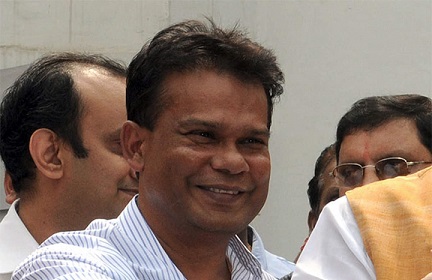
The BJP has fielded two official candidates: state unit president Manmohan Samal and sitting MP Sujeet Kumar. The BJD has also fielded two: Santrupt Misra (likely to win unopposed as their primary) and Dr. Datteswar Hota (as a “joint” candidate with Congress support). The fourth seat has turned competitive, pitting Independent candidate Dilip Ray (a former Union Minister and hotelier-politician with a history in both BJD and BJP) against Hota. The BJP has publicly pledged support for Ray, while Congress has backed Hota to consolidate opposition votes.
Ray, who previously won Rajya Sabha seats in 1996 and 2002 (the latter as an Independent amid cross-voting), is banking on surplus BJP votes (around 20-22 after securing their two seats) plus potential cross-votes from BJD or Congress dissidents. On paper, BJD’s 18 surplus votes (after one seat) + Congress’s 14 +CPI(M) 1 give Hota a edge (33 votes), but cross-voting could tip the scales, as it did for Ray in 2002.