






By Our Correspondent
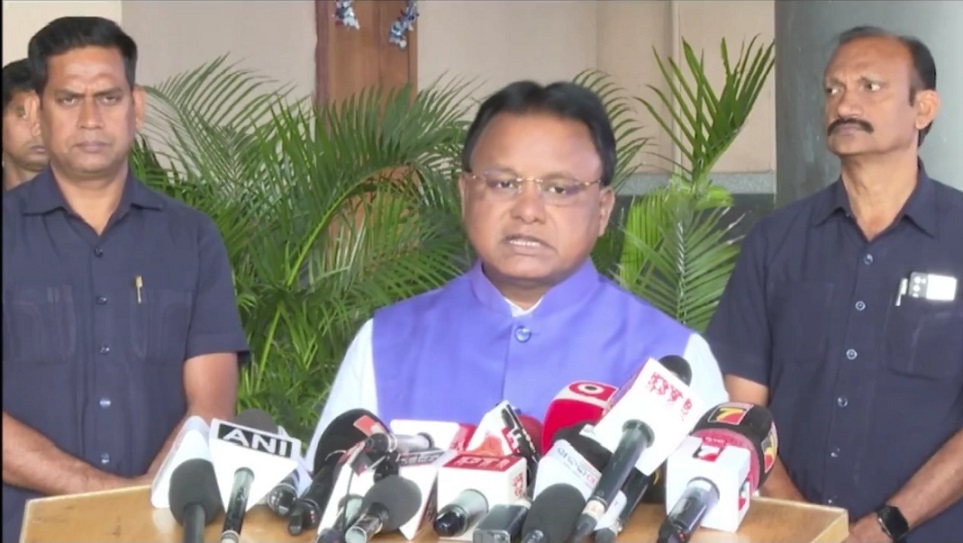
BHUBANESWAR: A Complete Analysis on Challenges likely Odisha Chief Minister Mohan Charan Majhi and BJP Government may face in 2026. Entering 2026, Chief Minister Mohan Charan Majhi-led BJP Government has shown willingness to Course-Correcttion and Deliver on Anti-Corruption and Infrastructure, Positioning Odisha for Growth under “Samruddha Odisha 2036.
Political Challenges: The BJP government under CM Mohan Charan Majhi, which assumed power in mid-2024 after ending the long-standing BJD rule, enters 2026 amid efforts to consolidate its base following key wins like the Nuapada bypoll.
However, opposition parties, particularly the BJD led by Naveen Patnaik, continue to criticize the administration for prioritizing superficial changes—such as renaming schemes and altering colors—over substantive progress.
Patnaik has highlighted a perceived decline in economic growth from 10% to 8%, accusing the “double engine” BJP model of delivering “double misery” instead of benefits, with no increase in central grants and rising per-capita debt beyond ₹46,000 crore.
This narrative could intensify if the government fails to expand revenue sources or manage fiscal strain, potentially eroding public support.
Additionally, the Congress has signalled aggressive moves, including a no-confidence motion against the government in late 2025, citing governance lapses.
Internal dissent within Congress and BJD’s decline may weaken unified opposition, but emerging alternative fronts aiming to split votes from BJD and Congress could complicate BJP’s strategy in upcoming local or by-elections.
Public discussions reflect scepticism, with some questioning the government’s control over issues like police atrocities and unfulfilled promises, potentially fuelling anti-incumbency by mid-2026. The CM’s tribal background offers an advantage in consolidating ST/SC votes, but any perceived favoritism or failure to address grassroots concerns, as voiced in appeals from party members about local infrastructure neglect, could backfire.
Economic and Fiscal Challenges: Odisha’s 2025-26 budget, pegged at ₹2.90 lakh crore, has drawn flak for representing a real-term shrinkage when adjusted for inflation, signalling limited revenue expansion ideas.
Critics argue the “double engine” promise has not translated into accelerated growth or investments, with the state slipping in economic rankings and facing illusions of progress amid stagnant central aid. Rising open-market loans could constrain funding for welfare and development, leaving less for schemes like Mission Shakti, whose allocation has been cut despite protests from women’s groups demanding better support.
Industrial pushes and infrastructure approvals, such as the ₹1,526 crore widening of NH-326 for tribal areas, show promise for connectivity and economic activity. Yet, challenges persist in attracting investments amid criticisms of policy inertia, with the government accused of rebranding existing initiatives like “Skilled in Odisha” without creating local jobs, potentially leading to youth migration.
If economic slowdowns continue, as hinted in opposition critiques, 2026 could see heightened scrutiny over unfulfilled promises like 25 lakh “Lakhpati Didis” by 2027, exacerbating fiscal pressures from welfare commitments.
Broader national trends, like debt burdens in other BJP-ruled states (e.g., Madhya Pradesh’s ₹4.64 lakh crore debt), underscore the risk of over-reliance on loans for events and freebies, which could mirror in Odisha if not checked.
Social and Law & Order Challenges: One of the most pressing issues is the surge in communal violence and crimes, which have dented the government’s image in its first 18 months.
Reports highlight rampant attacks on women, caste-based incidents, and breakdowns in law and order, normalizing violence in a state previously seen as peaceful. While the government claims a decline in crimes against women and Maoism, with over 199 officials arrested in anti-corruption drives and ₹212 crore in assets seized, opposition and media narratives paint a picture of chaos under Majhi’s “bold new era.
Odisha now ranks 8th nationally in crime, per BJD claims, raising questions over policing effectiveness. Tribal and minority communities, key to BJP’s base, may pose challenges if communal tensions escalate, as seen in 2025 incidents.
Public trust erosion is evident in critiques urging rebuilding efforts, especially after mishaps like the Rath Yatra stampede that claimed lives. Public sentiments warn of rising discrimination against Dalits, tribals, OBCs, Christians, and Muslims under BJP’s roadmap, potentially alienating voters if not addressed. Women’s safety remains a flashpoint, with the government needing to balance zero-tolerance rhetoric with tangible reductions in atrocities.
Administrative and Governance Challenges: The young government’s first year has been marked by progress in heritage revival, infrastructure via GatiShakti, and direct welfare, but pitfalls include controversies and a focus on slogans over substance.
Administrative missteps, such as reduced funding for key projects like Bhubaneswar Metro despite decongestion plans, highlight inconsistencies. Anti-corruption efforts, including dismissing 30 officials and high dismissal rates for disproportionate assets, are positives, but could face backlash if perceived as selective.
In 2026, challenges may arise from coordinating with central leadership, as Majhi’s meetings with PM Modi and ministers indicate reliance on national support for development. Local issues, like uncleanliness and unfinished projects in areas like Rajgangpur, reflect broader municipal inefficiencies that the government must tackle to avoid voter discontent.
The ban on New Year office celebrations emphasizes work ethic, but such austerity measures could be seen as out of touch if not paired with visible improvements. Odisha’s vulnerability to natural disasters and Maoist activities adds layers, requiring sustained security gains amid 2025’s tragedies.
Overall Outlook: Entering 2026, the Majhi-led BJP government has shown willingness to course-correct and deliver on anti-corruption and infrastructure, positioning Odisha for growth under “Samruddha Odisha 2036.”
However, substantiated criticisms of economic stagnation, communal unrest, and unfulfilled promises pose significant risks. If the administration rebuilds trust through inclusive policies and counters opposition narratives effectively, it could strengthen its hold; otherwise, escalating challenges might invite political instability ahead of future polls. The government’s legacy from BJD’s fiscal health provides a buffer, but sustaining momentum will be key in a state with evolving dynamics.