


By Our Correspondent
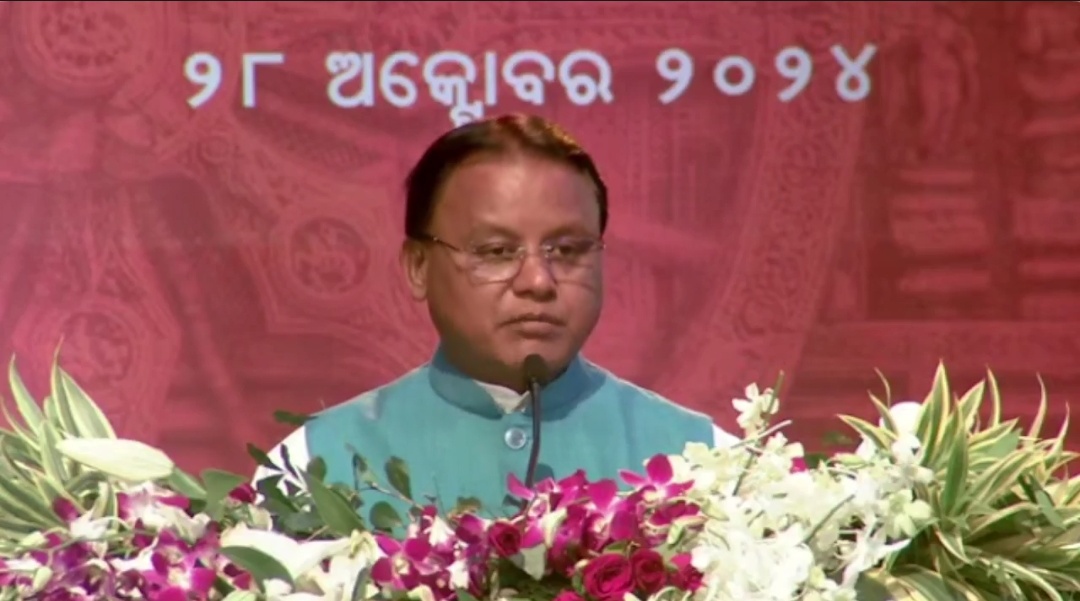
BHUBANESWAR: The Bharatiya Janata Party (BJP) formed its first government in Odisha in June 2024, ending the 24-year rule of the Biju Janata Dal (BJD) under Naveen Patnaik. Mohan Charan Majhi, a tribal leader from Keonjhar and a four-time MLA, was sworn in as Chief Minister on June 12, 2024, marking a historic shift as the state’s first BJP CM and the first from the Santal community.
Over the subsequent 19 months (up to January 2026), the government has focused on fulfilling election promises, anti-corruption drives, and long-term development goals like “Samruddha Odisha 2036,” aiming to make Odisha a $500 billion economy and one of India’s top five developed states by 2036.This period has seen a mix of proactive reforms and controversies, reflecting the challenges of transitioning from opposition to governance in a state with deep-rooted regional identities.
Key Achievements
The Majhi government has emphasized “people-centric” governance, claiming to have achieved more in its initial months than the previous regime did in years. By October 2025, CM Majhi asserted that all 2024 poll promises were implemented, focusing on development, women’s empowerment, and anti-corruption. Here’s a breakdown:
Welfare and Social Schemes:
Women’s Empowerment: The flagship Subhadra Yojana provided financial assistance to over 1 crore women, disbursing Rs 10,000 in two installments to eligible beneficiaries aged 21-60, aiming to create 25 lakh “Lakhpati Didis” (women earning Rs 1 lakh annually) by 2027. This scheme has been hailed as a game-changer, similar to successful models in other BJP-ruled states.
Agriculture and Farmers: Paddy procurement MSP was hiked to Rs 3,100 per quintal, fulfilling a key promise. The Samrudh Krushak Yojana supported farmers with input subsidies and market linkages.The government also urged private banks to improve loan disbursal under welfare schemes.
Employment and Youth: Over 1,543 appointment letters were distributed in employment fairs, and initiatives like “Skilled for the World” (a rebranded skill program) aimed to enhance global employability. The government targeted filling all vacant posts within two years to boost administrative efficiency.
Tribal and Cultural Focus: As a tribal CM, Majhi prioritized heritage, including opening the Ratna Bhandar at Puri’s Jagannath Temple after decades and reviving Paika culture through events and curriculum inclusion. The Shree Mandir Parikrama project was completed, enhancing pilgrimage infrastructure.
Governance and Anti-Corruption:
Administrative Reforms: In its first 100 days, the government cleared long-pending files, launched zero-tolerance anti-corruption measures, and conducted vigilance raids leading to over 199 arrests (including 90+ Class-I officers), seizure of ₹212 crore in assets, 24 kg gold, and 832 land plots.Thirty officials were dismissed for inefficiency.
15-Point Agenda (January 2026): On New Year’s Day 2026, Majhi issued directives for robust administration, including mandatory Odia language use in offices, citizen grievance redressal via social media, and upgrading the Nabakrushna Choudhury Centre for evidence-based policymaking. This aligns with “Odisha Vision 2036” for industrial growth and decongestion plans in cities like Bhubaneswar.
Infrastructure and Economy: Over Rs 18,600 crore in projects were delivered, including GatiShakti-powered infra. The government fast-tracked industrial approvals and aimed for high growth, though the projected rate dipped from 10% to 8% in 2025.Electoral successes, like the Nuapada bypoll, were cited as validation of policies. By June 2025, marking one year, the government presented a report card highlighting agricultural reforms, education enhancements, and democratic restoration. Supporters argue this has positioned Odisha as a model of “good governance.”
Challenges and Criticisms: Despite claims of progress, the 19-month tenure has faced significant backlash, particularly on economic management, law and order, and perceived communal biases.
Economic and Fiscal Concerns : The budget for 2025-26 was criticized as “shrunk” in real terms due to inflation, with growth rates declining and open market loans exceeding Rs 46,000 crore, increasing per capita debt. Critics, including the opposition BJD, argue the government relies on inherited fiscal health without expanding revenue. Allocation cuts for key projects like the Bhubaneswar Metro and Mission Shakti (despite protests by self-help groups) drew ire, with the latter seen as undermining women’s initiatives.
Political Controversies : A 200% MLA salary hike amid rising debt was deemed “tone-deaf,” leading to internal BJP pressure to reconsider. Allotment of official quarters in Delhi sparked allegations of fund misuse. Initial racism and hate toward Majhi’s tribal background surfaced online, though this subsided. Party rifts and questions about Majhi’s leadership emerged by late 2025. Critics labelled the government as “controversy-ridden,” with renaming exercises seen as superficial rather than substantive. The opposition described the budget as “heavy on slogans but empty on substance,” with BJD leader Naveen Patnaik quipping, “Bastani bhari kintu path ghara shuna” (The bag is heavy, but the lesson room is empty).
Law and Order, Social Issues: A spate of crimes, including sexual harassment, suicides, and gangrapes, led to accusations of inaction, with even BJP’s student wing (ABVP) protesting.c1ece3 The government faced a “reality check” on law and order by mid-2025.
Communal tensions rose, with the first year marked by “communal mobilization” contrasting Patnaik’s poverty alleviation focus. Attempts to erase Biju Patnaik’s legacy, such as renaming schemes, fuelled opposition claims of vendetta politics.
Public Perception and Political Impact : Public opinion remains polarized. Supporters on platforms of social media praise the government’s “unstoppable progress” in anti-corruption and welfare, viewing it as “Modi Ki Guarantee” in action.A June 2025 poll rated the one-year performance positively in some quarters, with Majhi’s humble image as a tribal leader adding appeal. However, critics highlight failures in job creation and law enforcement, with some analyses questioning if the “double engine” has stalled.The Nuapada bypoll win boosted morale, but broader tests like upcoming elections will gauge sustainability.
Future Outlook : Entering 2026, the 15-point directive signals a reset for efficiency and accountability, with zero tolerance for corruption and a push for citizen engagement. While early achievements position the BJP favorably for long-term rule, addressing criticisms on debt, crime, and inclusivity will be crucial. Majhi’s tenure, so far a “promising start with challenges,” could redefine Odisha’s politics if it balances bold reforms with equitable growth.