





By Our Correspondent
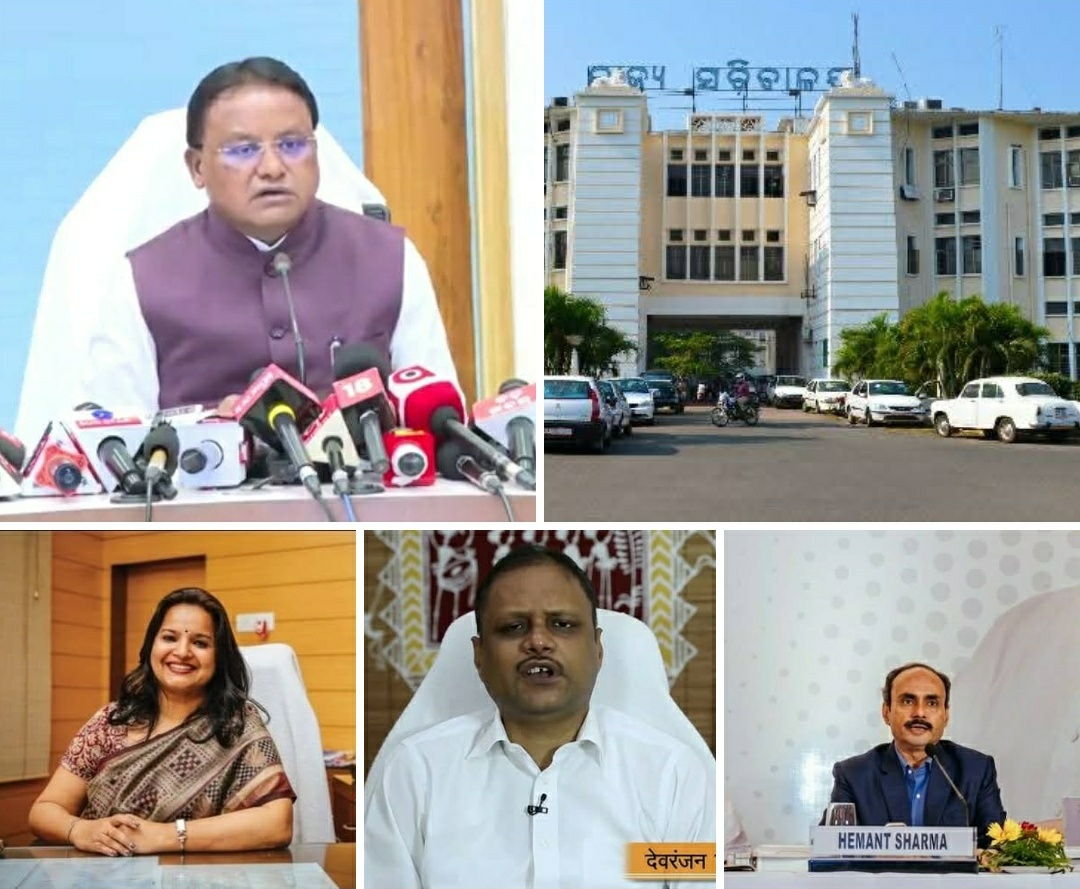
BHUBANESWAR: The appointments of Anu Garg (from Assam) as Chief Secretary, Deoranjan Kumar Singh (from Bihar) as Development Commissioner, and Hemant Sharma (from Uttar Pradesh) as Additional Chief Secretary (Home) by Odisha Chief Minister Mohan Majhi represent a continuation of placing non-Odia IAS officers in top administrative roles.
This pattern, which began with Manoj Ahuja’s appointment as Chief Secretary in mid-2024, has drawn scrutiny in the context of the BJP’s “Odia Asmita” (Odia Pride) campaign slogan, which was central to their 2024 election victory over the BJD.
The slogan emphasized protecting Odia identity, culture, and self-rule, often framing the previous BJD government as overly influenced by non-Odias like VK Pandian. By appointing outsiders to these pivotal positions—roles that oversee policy implementation, development planning, and law enforcement—BJP risks perceptions of hypocrisy.
Critics argue it signals that no qualified Odias are deemed capable of leading the state’s bureaucracy, echoing past complaints under Majhi’s tenure where both the DGP YB Khurania and Chief Secretary Anu Garg were non-Odias.
This could erode trust among Odia nationalists who supported BJP on identity grounds, potentially fuelling opposition narratives from BJD and Congress about the party prioritizing central control over local empowerment.
Short-term effects might include social media backlash and protests, as seen in earlier similar cases, amplifying divisions and distracting from governance priorities like the 15-point agenda Majhi outlined for the new Chief Secretary.
Long-term, if these officers deliver efficient administration, the issue may fade, but it weakens the slogan’s credibility ahead of future polls, making BJP vulnerable to accusations of “outsourced” rule similar to those they levelled at BJD. Overall, it reinforces scepticism that “Odia Asmita” was more electoral rhetoric than policy commitment.
The appointments of non-Odia IAS officers to top bureaucratic roles in Odisha, such as Chief Secretary, Development Commissioner, and Additional Chief Secretary (Home), have sparked ongoing debates around the BJP’s “Odia Asmita” (Odia Pride) narrative, which was pivotal to their 2024 electoral success.
While no major elections have occurred since 2024 (with the next assembly polls slated for 2029), these decisions could subtly influence BJP’s vote share by fuelling opposition critiques from BJD and Congress, who have accused the party of hypocrisy and prioritizing central influence over local empowerment.
However, a one-year review of BJP’s governance highlights mixed results: strong performance in areas like infrastructure and welfare has bolstered rural support (where BJP drew much of its 2024 strength), potentially mitigating backlash if tangible development continues.
Urban and nationalist voters, who rallied behind the slogan, might feel disillusioned, but recent social media sentiment shows the issue simmering without widespread protests, suggesting limited short-term vote erosion unless amplified in future campaigns. Overall, any negative impact appears contained for now, with BJP’s rural base and anti-incumbency against BJD’s long rule providing a buffer.
On Odia IAS officers, the appointments have raised concerns about career progression and morale, as they signal a preference for outsiders in apex positions, potentially limiting opportunities for locals despite the cadre’s talent pool.
Recent reshuffles, including promotions for several Odia officers to senior ranks like Member of the Board of Revenue, indicate efforts to balance this, but reports of officers seeking central deputation suggest underlying dissatisfaction or perceived glass ceilings.
Transfers of influential BJD-era bureaucrats to lesser roles further highlight a shift, which could demotivate the cadre but also open doors for fresh Odia talent if merit-based advancements follow. The new Chief Secretary’s 15-point agenda emphasizes filling vacancies and citizen-centric governance, which might alleviate some tensions if it leads to more inclusive promotions.