



By Our Correspondent
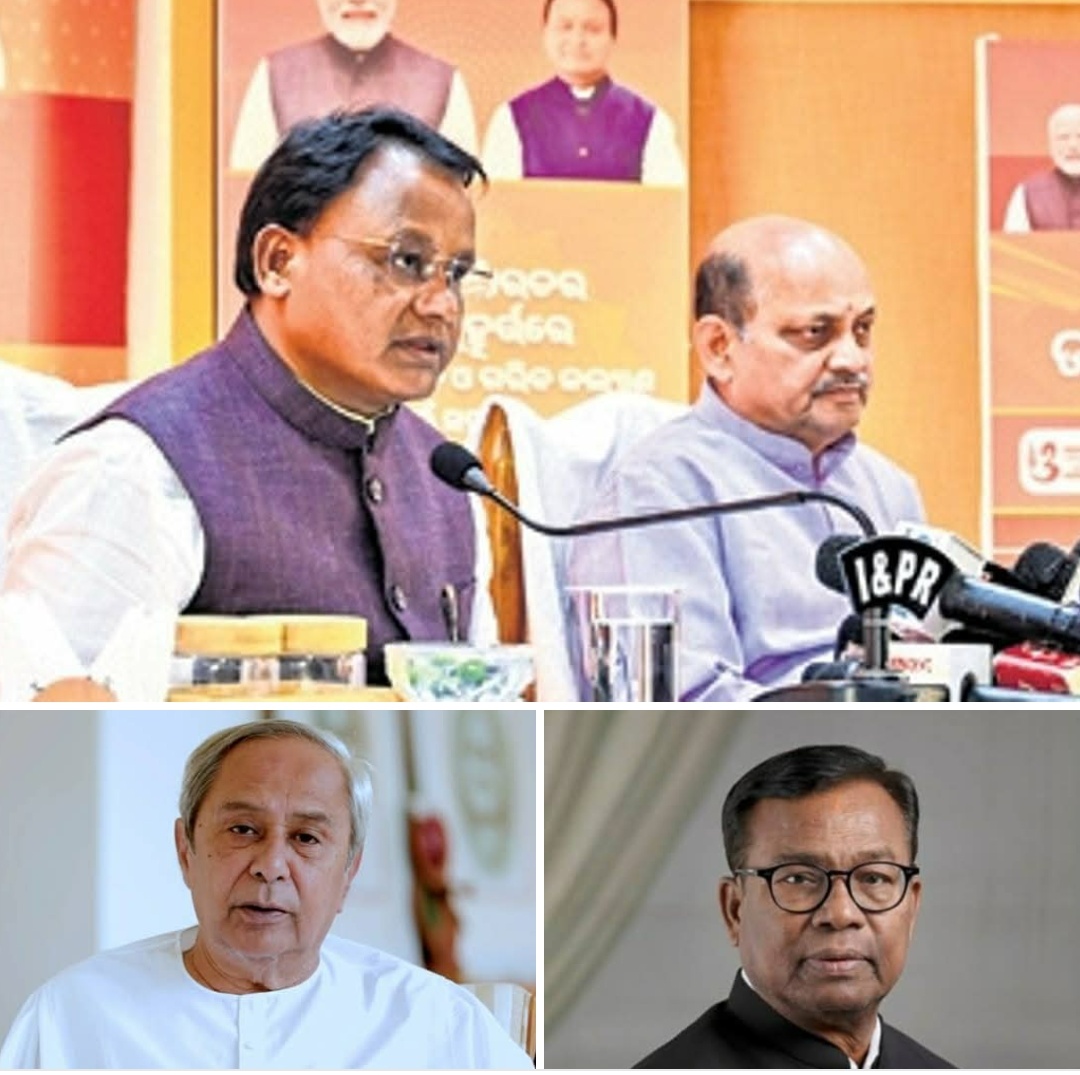
BHUBANESWAR:BJP may field candidates in all 4 seats instead of 3 in Odisha Rajya Sabha Polls. BJP taken a total of 16 sets of forms.
Since each candidate usually files four sets of papers to ensure their nomination survives technical scrutiny, the math suggests the BJP is ready to field four distinct candidates.
The BJP in Odisha purchased 16 sets of nomination forms for the upcoming Rajya Sabha elections to the four seats from the state (polling scheduled for March 16, 2026, if needed; nominations due by March 5).
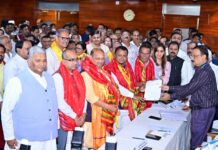
This move, reported on March 2, 2026, involved several BJP MLAs (such as Saroj Kumar Pradhan, Ashrit Pattanayak, Dusmanta Kumar Swain, Raghunath Jagadala, and Pratap Chandra Nayak) collecting these forms from the returning officer.
The primary reason appears to be strategic preparation amid intense political maneuvering:
In the 147-member Odisha Assembly, BJP has 79 MLAs plus support from 3 Independents (total ~82 votes).
This comfortably secures 2 seats (each requiring around 30 first-preference votes under the single transferable vote system for Rajya Sabha polls).
BJD has ~48-50 MLAs, enough for 1 seat.
The fourth seat is contested, as no single party has the numbers alone. BJP has publicly expressed confidence in winning 3 seats overall, despite lacking the direct votes for a third (they are 8 short of the ~90 needed for three). This suggests reliance on potential cross-voting, alliances, or other tactics.
By buying a large number (16 sets), BJP is likely keeping multiple options open—possibly to nominate three candidates (as hinted in party statements and reports), cover different proposers/seconders (each set typically needs 10 proposers), hedge against scrutiny/withdrawal issues, or prepare for scenarios involving the uncertain fourth seat.
Similar tactics are seen with other parties: BJD collected 6 sets (for their assured seat plus flexibility), and Congress took 3 sets.
This has sparked speculation about BJP’s aggressive push for a stronger showing in the Rajya Sabha, including possible “horse-trading” concerns raised by opposition parties like Congress. The exact candidates and final strategy will likely be clearer after central leadership decisions and the nomination deadline.