


By Anurjay Dhal
BHUBANESWAR: Ruling BJP has the maximum chance to win the Nuapada Assembly by-election in Odisha, scheduled for November 11, 2025. This assessment is based on recent developments, historical voting patterns, and ground factors in the Scheduled Tribe (ST)-reserved seat, which has around 2.53 lakh voters.
Key Factors Influencing the Outcome:
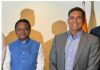
Candidate Dynamics and Recent Shifts: BJP is poised to field Jay Dholakia, son of the late BJD MLA Rajendra Dholakia (who held the seat since 2000 and won it in 2024 with 61,835 votes). Jay’s high-profile switch from BJD to BJP on October 11 has handed the ruling party the powerful sympathy and legacy vote, reminiscent of BJD’s successful 2018 Bijepur bypoll strategy. Odisha Chief Minister Mohan Charan Majhi has publicly backed Jay as a “young leader” to carry forward his father’s development legacy, signaling strong party endorsement.
Congress has nominated Ghasiram Majhi early (October 7), a local tribal leader and Nuapada DCC president who polled a strong 50,941 votes (second place) as an independent in 2024. This quick move has energized cadres and drawn defections, like former BJD NAC chairperson Mahesh Nial with thousands of supporters. However, Congress’s 2024 combined vote share (including independents) was around 65,000, but it lacks the family sympathy edge.
BJD, the 2024 winner, is reeling from Jay’s defection—its prospective candidate—and has yet to announce a nominee despite forming strategy committees. Senior leader Pratap Jena downplays the impact as “horse-trading,” but it exposes internal rifts and weakens their hold on the late MLA’s voter base.
Voter Sentiment and Demographics: Sympathy for the Dholakia family (tribal voters form ~60% of the electorate) is tilting toward BJP, amplified by Majhi’s personal ties to the late MLA. Ground reports indicate BJP’s incumbency (first independent government since 2024) provides organizational and resource advantages, unlike BJD’s current opposition status.
Congress is capitalizing on anti-BJP/BJD narratives, portraying the defection as a “hidden alliance” to counter their resurgence. PCC chief Bhakta Charan Das claims bulk BJD exits and predicts a “clear victory,” but this is partisan optimism. Tribal consolidation could favor Congress’s Majhi if sympathy doesn’t fully transfer.
BJD relies on Naveen Patnaik’s enduring popularity (no incumbency perks this time), but 2024 saw their margin drop 4% from 2019, signaling erosion. A loss would dent their post-2024 momentum.
Historical Context-2024: BJD 43% (61,835 votes), Congress-linked independent 36% (50,941), BJP 21% (29,000)—a tight three-way fight.
Pre-2024: BJP won twice (Basant Panda), showing competitiveness. No formal opinion polls exist yet, but post-defection analyses suggest BJP’s edge in a prestige battle for CM Majhi, BJD chief Patnaik, and Congress’s Das.
BJP’s capture of the Dholakia legacy positions them as frontrunners, though Congress could upset if tribal anti-incumbency surges. BJD appears sidelined. The next 30 days of campaigning will be decisive, especially on development promises for this underdeveloped western Odisha seat.
Comparative Chances:
Party, Strengths, Weaknesses, Estimated Edge:
BJP : Sympathy/legacy vote, power advantage, defection boost
Internal candidate confusion, pre-switch High (50-55%)
Congress: Early mobilization, local tribal appeal, defections
Lacks family sympathy, vote split risk Medium (30-35%)
BJD : Patnaik’s residual pull, past dominance Defection setback, no candidate yet
Low (15-20%),
Overview of Tribal Voter Dynamics in Nuapada By-Election:
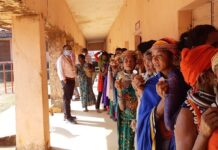
Nuapada Assembly constituency in Odisha is a Scheduled Tribe (ST)-reserved seat, meaning candidates must belong to tribal communities, and tribal voters constitute the majority of the electorate—approximately 60-70% of the over 2.53 lakh eligible voters.
This demographic dominance makes tribal voters the decisive force in the by-election scheduled for November 11, 2025, often acting as “game-changers” due to their fluid allegiances and responsiveness to personal, rather than partisan, factors.
Unlike urban or general category voters, tribals in Nuapada are not rigidly tied to political parties; their voting behavior is influenced by candidates’ direct engagement, legacy ties, sympathy waves, and promises addressing local issues like forest rights, livelihoods, and infrastructure in this underdeveloped western Odisha region.
Key Tribal Communities and Demographics:
Nuapada district hosts a diverse array of tribal groups, with the Gond community being one of the most prominent and politically organized. Other significant tribes include Banjara (Banjari), Bhunjia, Saora, Kandha, and smaller groups like Bagata, Bathudi, and Munda.Population estimates from district profiles show Banjara as one of the larger groups (around 3,053 individuals), followed by Gonds (163 in sampled data, but likely higher district-wide), with total tribal population exceeding 50% of the district’s residents to qualify for ST reservation.
These communities are primarily agrarian, reliant on forest produce, and face challenges like poor implementation of forest rights (Odisha’s record lags national averages, affecting tribal livelihoods). Sub-tribal divisions, such as clans within Gonds, play a role in internal mobilization, where traditional leaders (e.g., village heads or “Mukhia”) influence group voting through community consultations.
Historical Voting Patterns: Historically, tribal voters in Nuapada have shown loyalty to strong local figures rather than ideologies. The late BJD MLA Rajendra Dholakia, a tribal leader who won the seat four times (2004 as independent, then 2009-2024 under BJD), commanded widespread support due to his decades of social service, including direct aid during crises.
In the 2024 elections, BJD secured 43% of votes (61,835), largely from tribal bases, while Congress-linked independent Ghasiram Majhi (a tribal) garnered 36% (50,941), indicating a competitive tribal split.
BJP trailed at 21% (29,000), but has won the seat in the past (e.g., under Basant Panda), suggesting tribals can swing when candidates resonate personally. Broader Odisha trends show tribals (one in five voters statewide) prioritizing issues like land rights and welfare, but turnout is often lower due to migration and disillusionment with unfulfilled promises.
Party Strategies and Potential Vote Swings:
BJP: By fielding Jay Dholakia, BJP aims to capture the Dholakia legacy, appealing to tribals through sympathy and CM Mohan Charan Majhi’s endorsement (himself a tribal leader).This could swing 15-25% of BJD’s tribal base, boosting BJP from third place, especially among Gonds and Banjaras loyal to the family. However, internal ripples from the sudden entry might alienate some aspirants.
Congress: Nominating Ghasiram Majhi, a popular tribal face who nearly won in 2024, targets direct consolidation.With early mobilization and defections from BJD, Congress could gain if tribals prioritize local leadership over sympathy, potentially swinging independent tribals (e.g., smaller groups like Bathudi) disillusioned with major parties.
BJD: Without a announced candidate yet, BJD relies on Naveen Patnaik’s residual appeal but faces splits from Jay’s defection.They claim voters remain loyal, but tribal fluidity might cause a 10-20% erosion to BJP or Congress if no strong tribal alternative emerges.
Overall, tribal voters’ independence means the election could hinge on last-minute campaigning. BJP holds an edge via sympathy, but Congress’s tribal focus might upset if development grievances dominate, while BJD risks fading without quick adaptation.The outcome will test how well parties “win the tribal heart” through genuine engagement.
Current Influences on Tribal Voters:
Tribal voting in the 2025 by-election is shaped by several key factors:
Personal Connections and Sympathy Wave: Tribals vote for candidates seen as “companions in happiness and sorrow,” prioritizing those who provide ongoing support over party manifestos. The sympathy factor for the Dholakia family is a major driver, amplified by Rajendra’s recent death, which triggered the bypoll. His son Jay Dholakia’s defection to BJP on October 11, 2025, could transfer this emotional appeal, potentially swaying 20-30% of tribal votes traditionally with BJD.
Development and Welfare Promises: Issues like forest rights, irrigation, and tribal welfare schemes (e.g., under FRA or PMAY) heavily influence decisions. Parties are announcing targeted campaigns, such as women’s empowerment drives and tribal associations, to build rapport.
Community Leadership and Mobilization: Traditional Gond political systems involve consensus-based decision-making through village councils, which can consolidate votes if leaders endorse a candidate.Direct village-level engagement is crucial, as tribals respond to presence in their societies rather than media campaigns.
Anti-Incumbency and Opportunism Perceptions: BJD’s loss of the Dholakia legacy might erode trust, while BJP’s “horse-trading” accusations could backfire if seen as opportunistic. Congress leverages anti-BJP/BDJ narratives, positioning itself as a fresh tribal advocate.