


By Our Correspondent
BHUBANESWAR: In 1967, the Supreme Court of India delivered a landmark judgment in Rajendra Prasad Jain v. Sheel Bhadra Yajee, which directly addressed bribery in Rajya Sabha elections. The case arose from the 1962 Bihar Rajya Sabha polls, where petitioner Sheel Bhadra Yajee challenged Jain’s election on grounds of corrupt practices under Section 123 of the Representation of the People (RP) Act, 1951.
Evidence showed that Jain (a Congress candidate) had given bribes to three Bihar MLAs and offered bribes to four others to secure their votes.
The Court ruled that: Bribery as a corrupt practice: Offering or giving gratification (money or otherwise) to influence a vote constitutes bribery, even if the voter doesn’t ultimately vote for the briber. The intent to corrupt the electoral process is sufficient.
Jain’s election was declared void, his Rajya Sabha membership was terminated, and he was disqualified from contesting elections for six years. The ruling emphasized that indirect elections like Rajya Sabha are not immune to RP Act provisions, treating them akin to direct polls.This precedent has shaped election law, reinforcing zero tolerance for vote-buying in legislative council or upper house elections.
Suspended BJD MLA Arbind Mohapatra has vowed to vote “independently,” citing unresolved party corruption allegations. Political insiders suggest 5-7 BJD MLAs (out of their 48 in the 147-member Assembly) may defy the party whip, potentially tilting the fourth seat to BJP backed Dilip Ray, a former Union Minister.
Party’s another suspended MLA Sanatan Mahakud of Champua may defy Party whip as he belongs to Chief Minister Mohan Charan Majhi’s home district Keonjhar. Like Mahakud, yet another BJD MLA Badri Narayan Patra of Keonjhar also under close watch. Dismissed BJD Leader Pravat Biswal’s MLA Son Souvik Biswal also under watch of BJP led Lobby.
Congress has flagged risks of “backroom deals” for the contested seat, echoing 2024 national trends where cross-votes (like in Himachal and Uttar Pradesh) disrupted alliances due to alleged inducements. Several Congress MLAs also under scanner and they may defy Party whip. Dissident Congress Leader Md Moquim MLA Daughter Sofia Firdous also under radar of Independent candidates like Dlip Ray. CPI(M) lone MLA also not certain to vote for BJD-Congress common candidate Dr Hota.
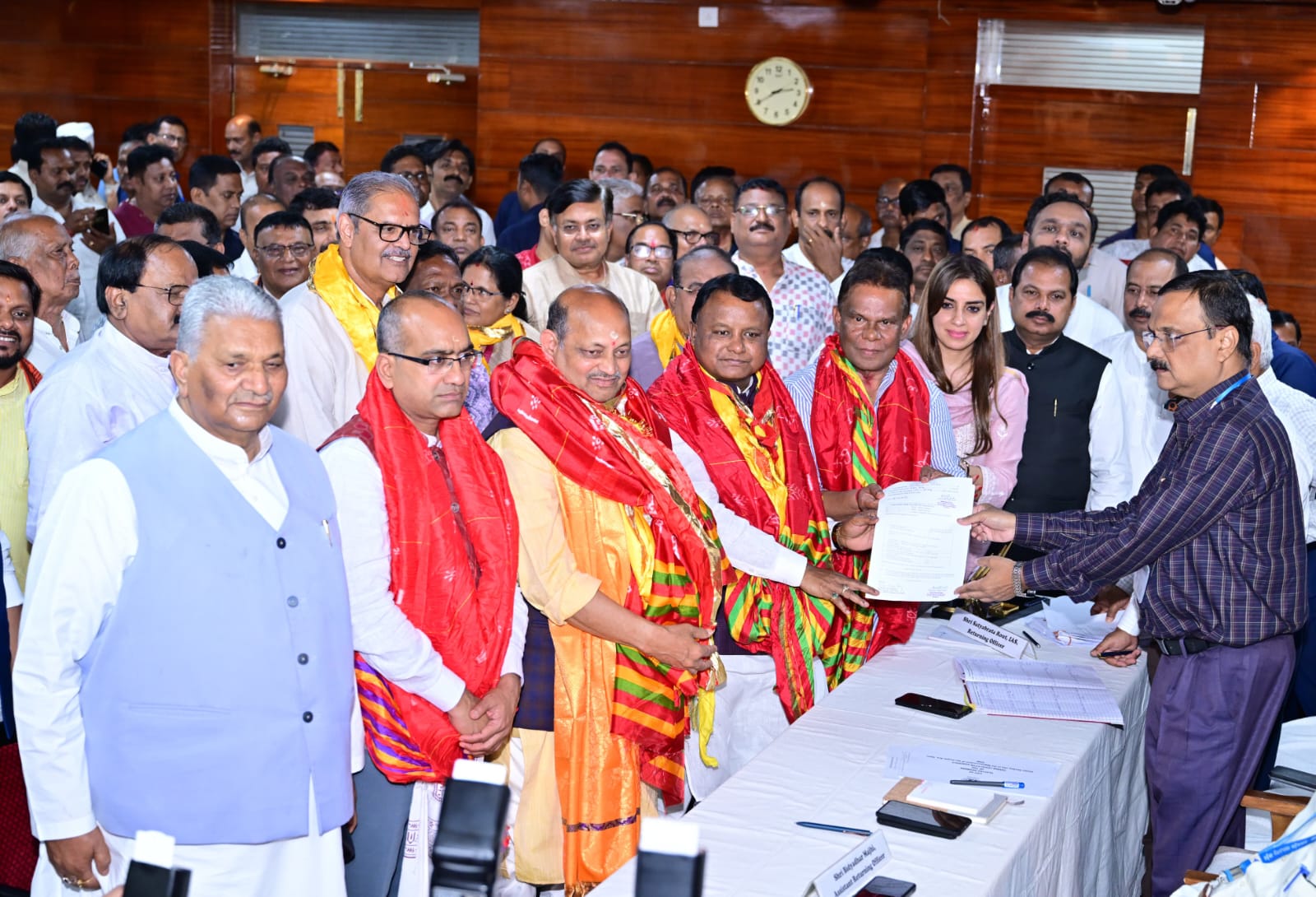
BJP-led NDA is projected to secure at least three seats (two unopposed, one via cross-votes), pushing their Rajya Sabha tally over 130. BJP’s Manmohan Samal, Sujeet Kumar and BJD’s Dr Santrupta Mishra will easily get elected considering their MLA strength in Odisha Assembly.
No formal bribery complaints have surfaced yet, but the open ballot system (introduced in 2003 via the RP Act amendment) mandates MLAs to show votes to party agents, aiming to deter secret cross-voting.
Defiance can trigger anti-defection probes under the 10th Schedule, but bribery elevates it to a criminal offense.
How the 1967 SC Order Impacts the Odisha Rajya Sabha Polls
The Jain ruling remains a cornerstone for challenging cross-voting if linked to bribery, with direct ripple effects on the 2026 Odisha polls:
Any losing candidate can file a petition in the Delhi High Court within 45 days post-results under Section 80A of the RP Act. If evidence emerges of bribes to induce cross-votes (e.g., cash, promises, or threats to MLAs), the Court could invoke Jain to declare the winner’s election “void ab initio.” This would terminate the member’s Rajya Sabha tenure and bar them from future polls for 6 years. Past applications include 2024 cross-vote probes in Maharashtra, where Jain was cited.
Under Section 10A of the RP Act (added post-Jain), MLAs accepting bribes face 6-year disqualification from Assembly membership. This amplifies deterrence—like Mohapatra or other cross-voters could lose seats, triggering bypolls and weakening BJD further.
The precedent has influenced reforms like open ballots and ECI whips, reducing covert bribery. In Odisha, ECI surveillance (e.g., static teams, expenditure monitoring) will intensify. If horse-trading allegations escalate (as in 2024 national polls), it could lead to countermanding under Section 30 of the RP Act for “large-scale bribery,” though rare.
For BJP, cross-votes bolster numbers but invite petitions, risking instability ( like 1991 JMM bribery case). BJD/Congress could use it for narrative warfare, alleging NDA “poaching.” Long-term, it upholds electoral integrity but highlights persistent challenges in hung assemblies.
In summary, while cross-voting alone isn’t illegal (absent inducement), the 1967 order weaponizes any bribery proof against tainted outcomes, potentially upending results and careers. Parties are likely issuing strict whips to avoid this pitfall—watch for post-poll petitions if margins are razor-thin.